
Elephant Rock Iceland: A Guide to Heimaey’s Basalt Sea Cliff
Discover the Elephant Rock in Iceland, a natural basalt sea cliff in the Westman Islands, remarkably resembling a majestic elephant drinking from the sea.
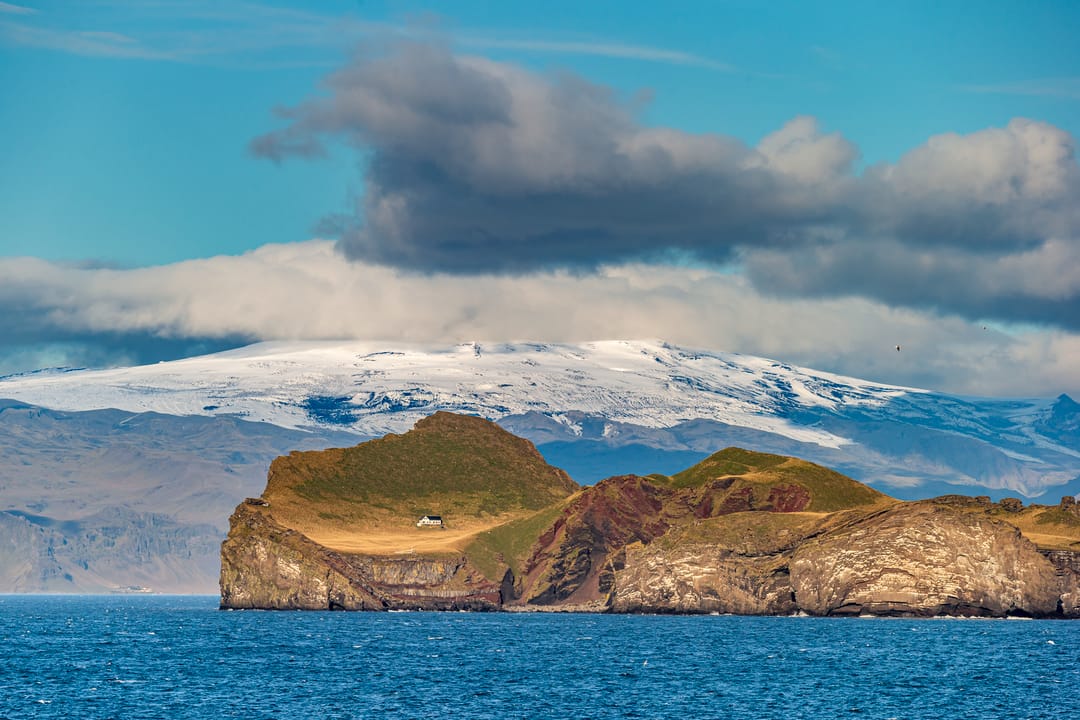
In many places, people look at clouds and imagine animals. On Heimaey in the Westman Islands, Iceland has something more permanent: Elephant Rock.
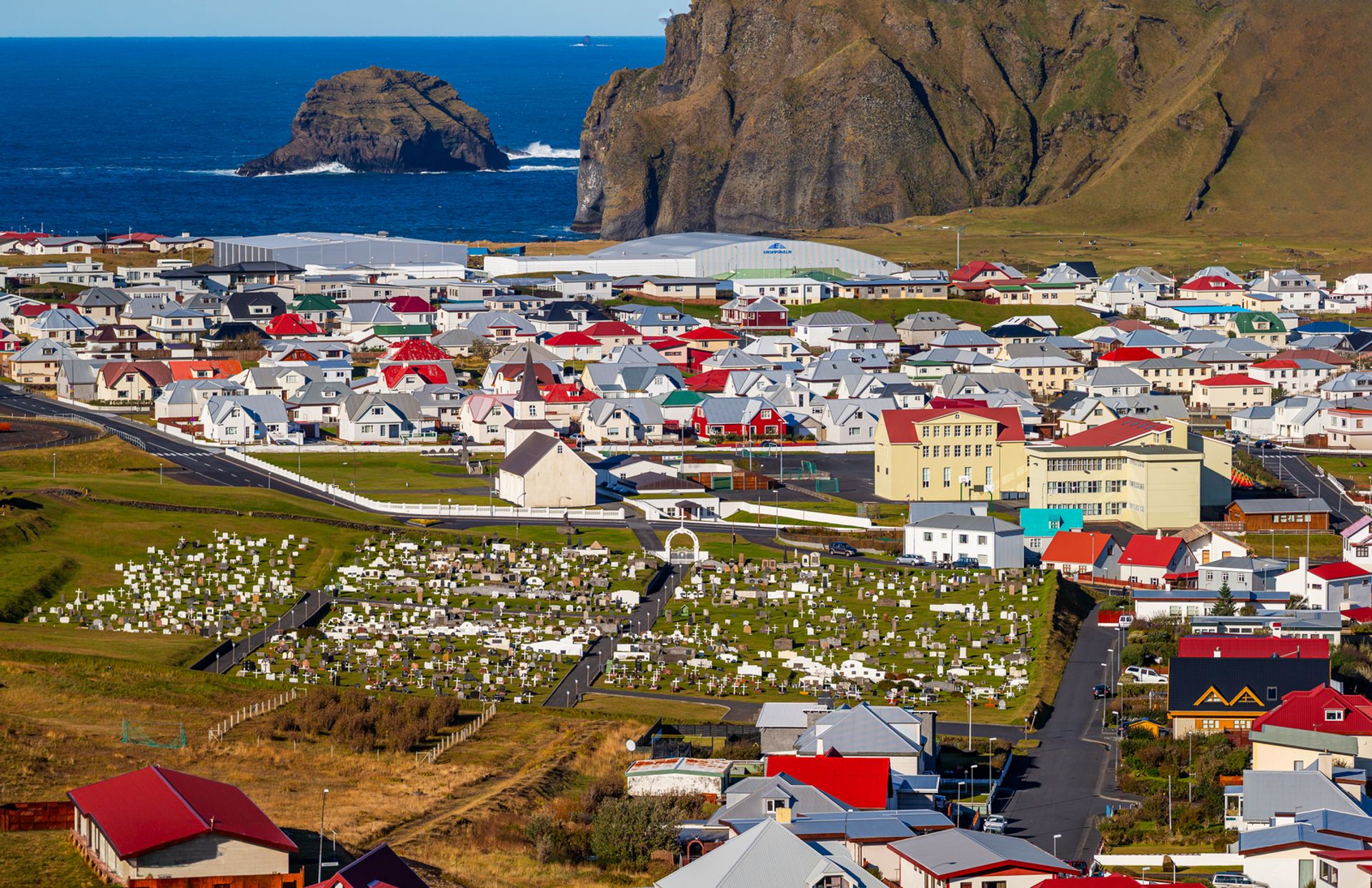
Rising from the cold North Atlantic, this striking basalt formation looks remarkably like a giant elephant dipping its trunk into the sea. Its dark, textured surface adds to the illusion, giving the rock an almost wrinkled appearance. While Elephant Rock Iceland is impressive in photographs, seeing it in person is even better. Here is what to know before visiting Elephant Rock in Iceland.
What Is Elephant Rock?
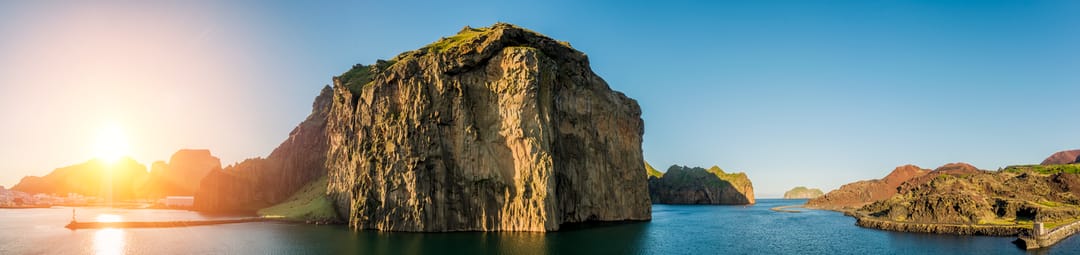
Elephant Rock Iceland is a completely natural coastal sea cliff located in the Westman Islands(Vestmannaeyjar). This sheer rock face became famous due to its uncanny resemblance to an elephant. The cliff features a heavy brow, an indentation forming an "eye," and a massive column extending like a trunk drinking water. The patterns across the stone even mimic the wrinkles of real elephant skin.
How Was Elephant Rock Formed?
The Elephant Rock is made of basalt, a fine-grained volcanic rock that forms when molten lava cools and hardens. Like the rest of the Westman Islands, it belongs to a volcanic landscape. Eruptions both beneath and above the ocean surface shaped it.
As basaltic lava cooled, the rock contracted and cracked along geometric lines, creating column-like patterns visible across parts of the cliff. Over time, coastal forces shaped the formation further. Atlantic waves and strong winds gradually wore away weaker sections of rock. Eventually, an elephant-like profile emerged, including the trunk-like column stretching toward the sea.
Ultimately, Elephant Rock is best explained as a basalt sea cliff shaped by volcanic origins and marine erosion. To learn more about the forces behind Iceland’s volcanic landscapes, including internal features like a dike in geology, visit Perlan in Reykjavík. Here, you can explore the Volcano Show, which features interactive displays bringing Iceland’s fiery volcanic history to life.
Where Is Elephant Rock Located?
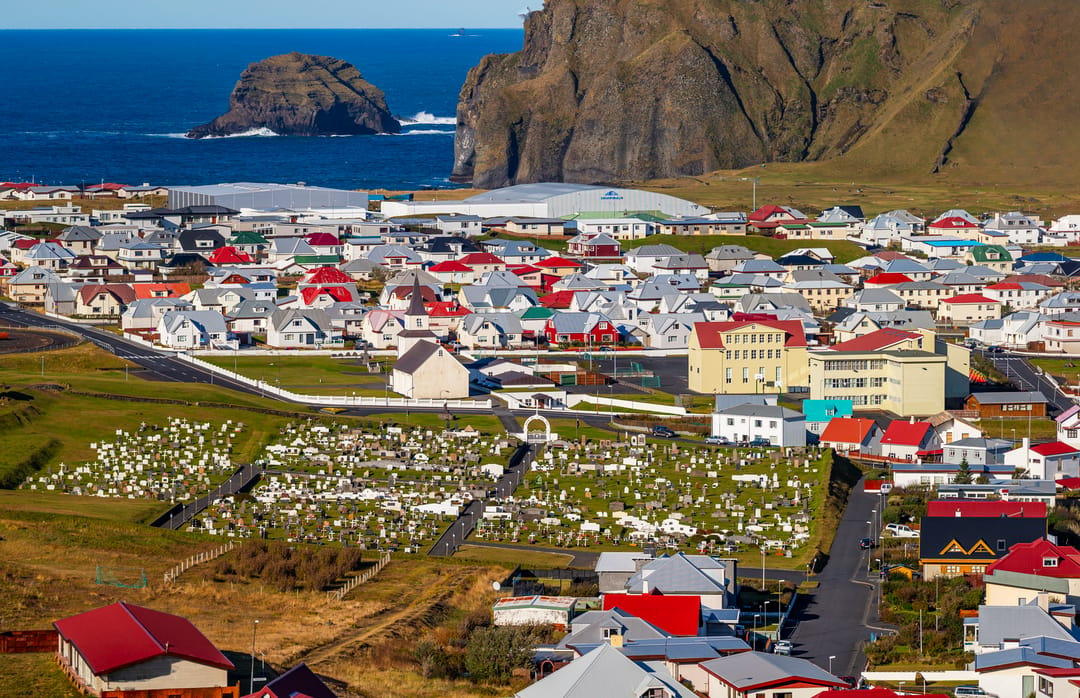
Elephant Rock sits on the rugged coastline of Heimaey Island Iceland. Heimaey is the largest and only permanently inhabited island in the Vestmannaeyjar archipelago off the South Coast.
Unlike many popular Icelandic attractions, Elephant Rock is not a simple roadside stop. It is tucked along the steep cliffs at the edge of the island. Partial views may be possible from certain coastal paths on land. However, the most impressive perspective is from the water, looking back toward Heimaey’s volcanic coastline.
How to Get to Elephant Rock Iceland
Reaching Elephant Rock requires a short journey from mainland Iceland to Heimaey. Start by driving or taking a public bus along the South Coast to the Landeyjahöfn ferry terminal. From there, the Herjólfur ferry sails to Vestmannaeyjar. It typically arrives at the harbor after a crossing that usually takes around 35 to 45 minutes.
The best way to experience Elephant Rock is to join a local boat tour or a rigid inflatable boat (RIB) cruise. These tours approach Heimaey’s sea cliffs from the water, offering the clearest perspective of the elephant-like profile and trunk-shaped column. Along the way, guides often share local stories and point out sea caves, volcanic cliffs, and birdlife around the island.
What to See and Do Around Elephant Rock
Visiting Elephant Rock Iceland is an opportunity to immerse yourself in the wild, dynamic environment of the Westman Islands.
- Join a guided boat tour. This is usually the best way to see the full elephant-like silhouette safely from the sea.
- Photograph the basalt textures. Changing coastal light can highlight the deep shadows and rough, wrinkled patterns in the basalt.
- Observe local seabirds. The surrounding cliffs are home to rich birdlife, including northern fulmars and puffins in season.
- Study the volcanic coastline. Take time to admire the dark cliffs, sea caves, and wave-carved rock formations that define Heimaey’s outer coast.
Best Time to Visit Iceland’s Elephant Rock
The best time to visit Elephant Rock is during the summer season, from May to September. These months usually offer milder weather, longer daylight hours, and better conditions for boat tours around Heimaey’s coastline. Summer also overlaps with the puffin season in the Westman Islands.
It is possible to visit Heimaey in winter, as the ferry operates year-round when conditions allow. However, boat tours are more limited and more often canceled due to strong winds, rough seas, or poor visibility.
For photographers, the long daylight around midsummer can create beautiful evening light over the cliffs and ocean. The shoulder months of May and September may bring quieter conditions and dark, cinematic skies. Visitors should be prepared for more changeable weather, though.
Nearby Attractions
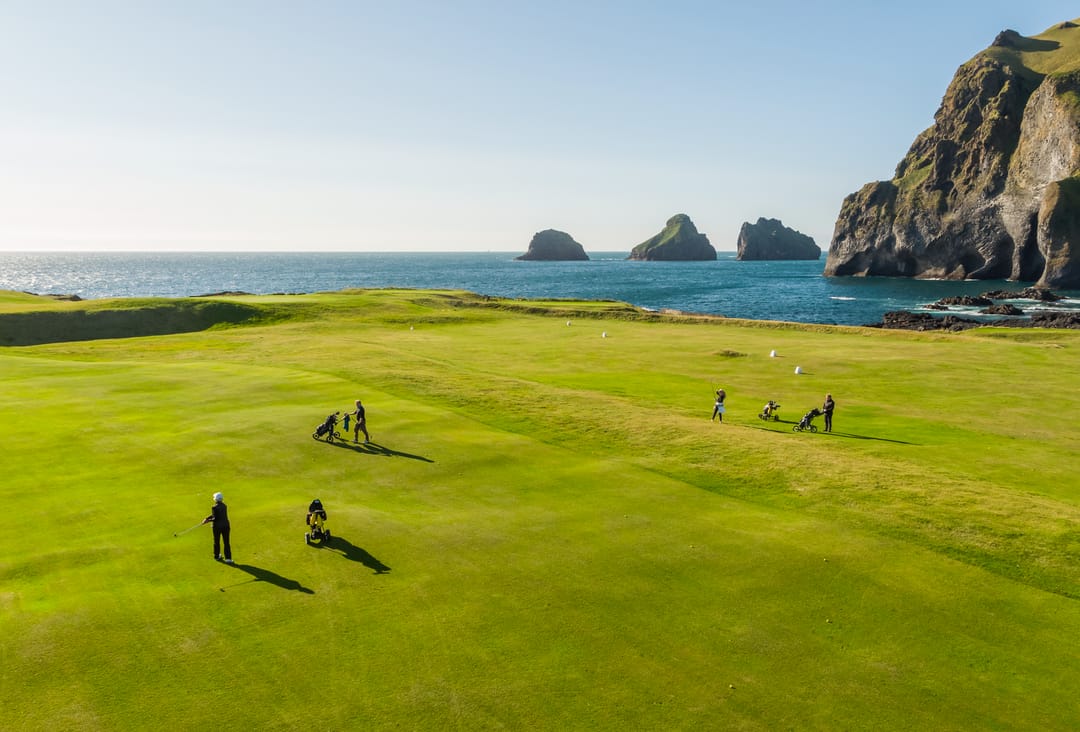
Because Elephant Rock is located on Heimaey, it is easy to combine a boat tour with several of the island’s other highlights. After viewing the basalt sea cliff, spend time exploring Heimaey’s volcanic history, birdlife, and coastal scenery.
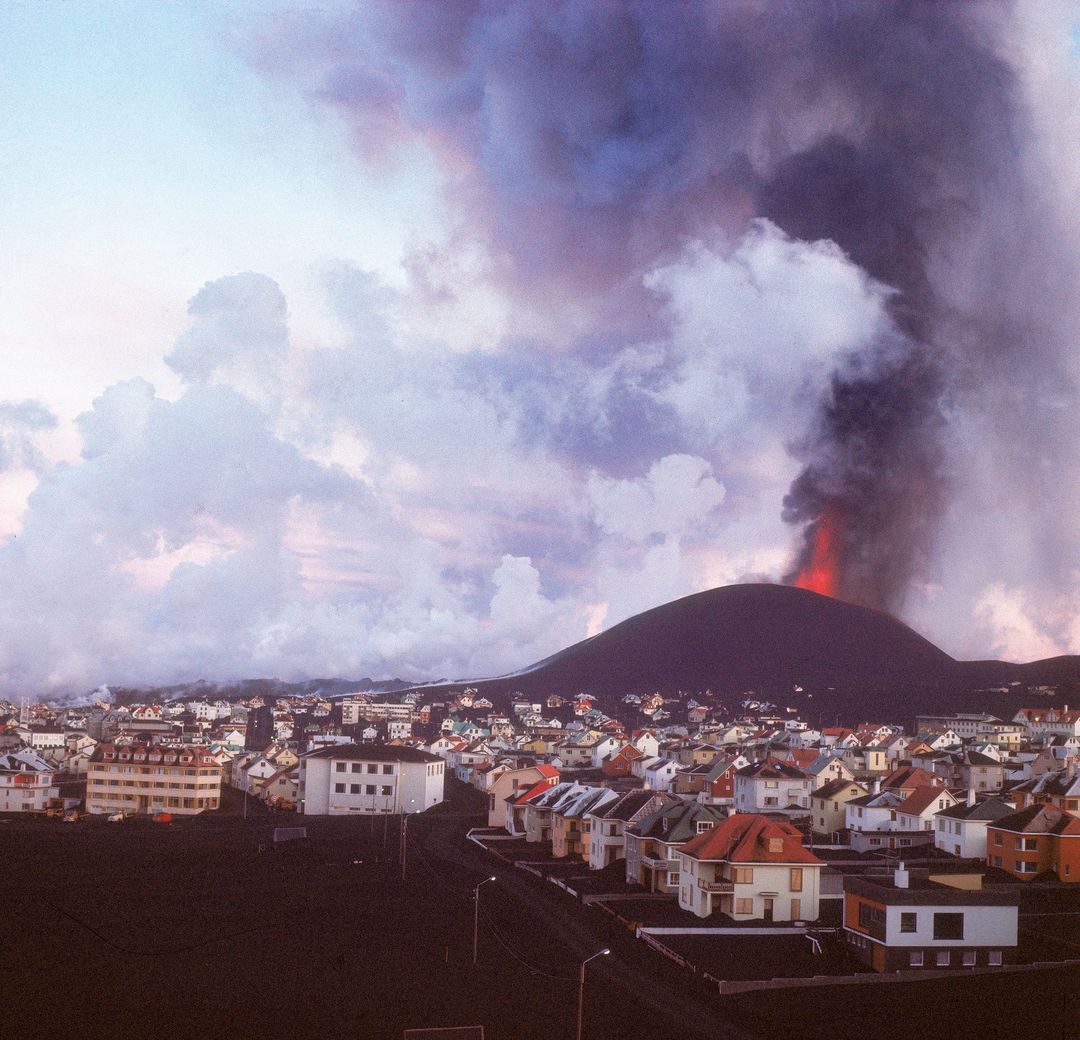
- Eldfell Volcano: This volcanic cone was formed during the Eldfell Iceland eruption 1973, when a sudden eruption forced the evacuation of Heimaey. Today, visitors can hike to the summit for views over the town, harbor, lava fields, and surrounding islands.
- Eldheimar Museum: This museum tells the story of the 1973 eruption. It is built around the excavated remains of homes buried by ash and lava. It is one of the best places to understand how the eruption changed life on Heimaey.
- Stórhöfði Viewpoint: Often described as one of the windiest places in Europe, Stórhöfði is a scenic headland with sweeping ocean views. It is also one of the island’s best-known places to see puffins in season.
- Beluga Whale Sanctuary: Located in Heimaey’s harbor area, the Beluga Whale Sanctuary and visitor center is operated by the SEA LIFE Trust. It introduces visitors to marine conservation work in the Westman Islands.
Travelers comparing beaches in Iceland may know Reynisfjara Beach Iceland for its black sand and towering basalt columns. Here, Elephant Rock offers a totally different coastal experience: a sea-view basalt formation best appreciated from the water.
FAQs
Elephant Rock is located on the edge of Heimaey. This is the largest and only permanently inhabited island in the Westman Islands (Vestmannaeyjar) off Iceland’s South Coast.
No, visitors must take the ferry to Heimaey. Once on the island, some land-based viewpoints may offer partial views, but the best perspective is from a boat tour.
No, the 1973 Eldfell eruption dramatically changed Heimaey, but it did not create Elephant Rock. Elephant Rock is an older basalt formation shaped by earlier volcanic activity and long-term marine erosion.
The best time to visit Elephant Rock Iceland is from May to September. These months usually offer more daylight, milder weather, and better availability for boat tours.
Yes. Elephant Rock is worth visiting for travelers interested in unusual geology, coastal photography, and the natural beauty of the Westman Islands.
Popular articles
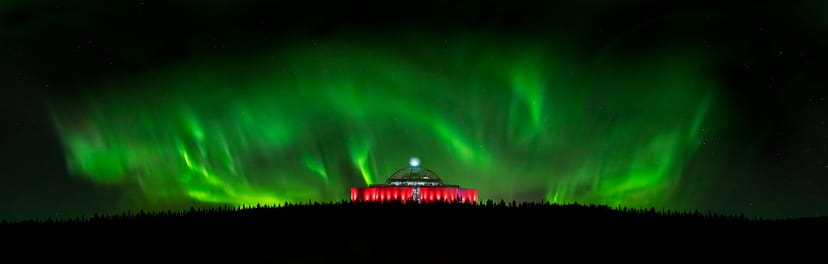
The Complete Guide to the Northern Lights in Iceland
Learn how the Northern Lights form, where to see them in Iceland, how to prepare, take photos, read the forecast, and improve your chances of a sighting.
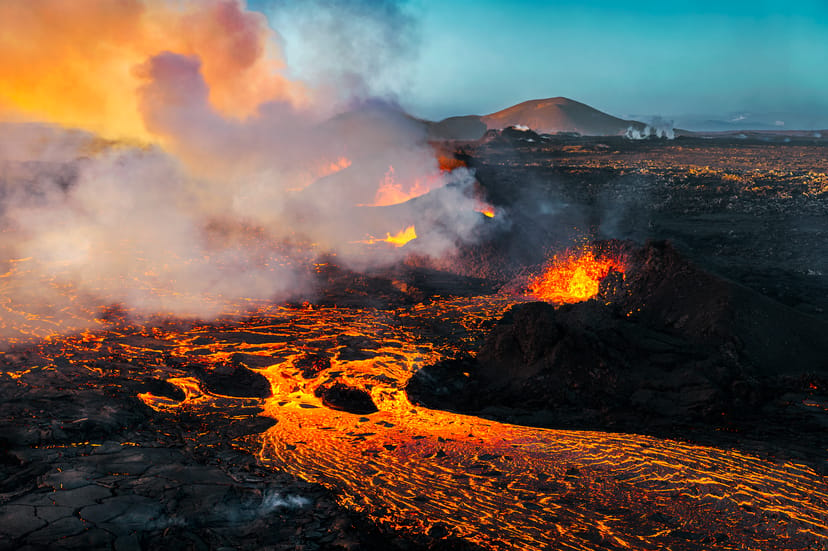
Let's Talk About the Volcano in Iceland About to Erupt
Is a volcano in Iceland about to erupt? Here’s what travelers should know about Svartsengi, Reykjanes activity, flights, safety, and the Blue Lagoon.
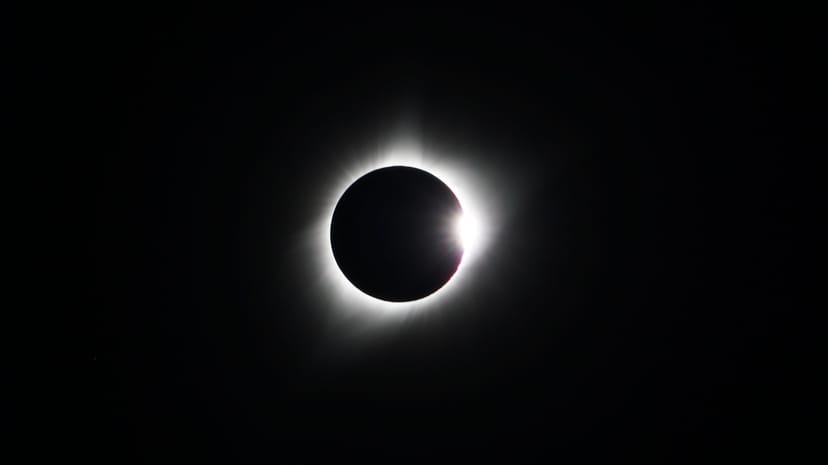
Solar Eclipse 2026 in Iceland | What Happened
Iceland experienced a total solar eclipse on August 12, 2026. Discover what happened in Reykjavík, eclipse times, totality locations and more.
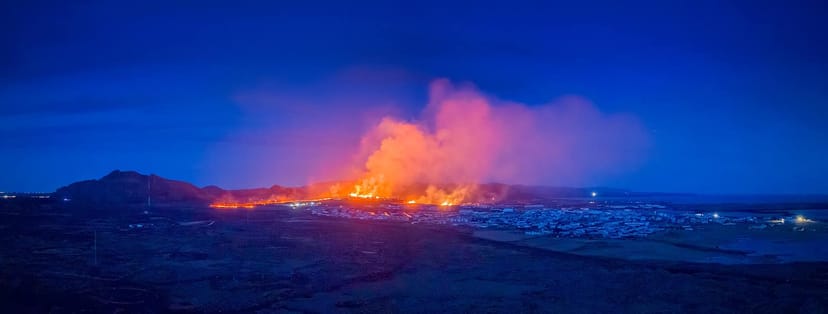
September 2026 updates on the Sundhnúkagígar Eruption in the Reykjanes Peninsula!
The current eruption in the Reykjanes Peninsula, is called Sundhnúkagígar Crater Row. See insights on the seismic activity and volcanic eruptions in the area!
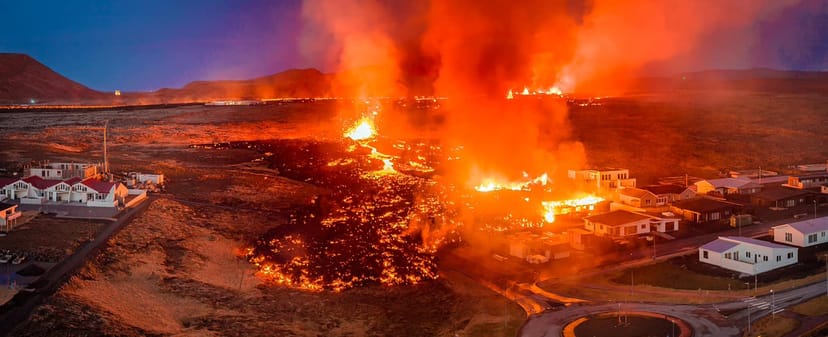
Active Volcanoes in Iceland 2026
Active volcanoes aren't the same thing as active eruptions. A volcano can be considered active even when it is not ejecting ash, rock, gases and magma, so which are active in Iceland in 2026?
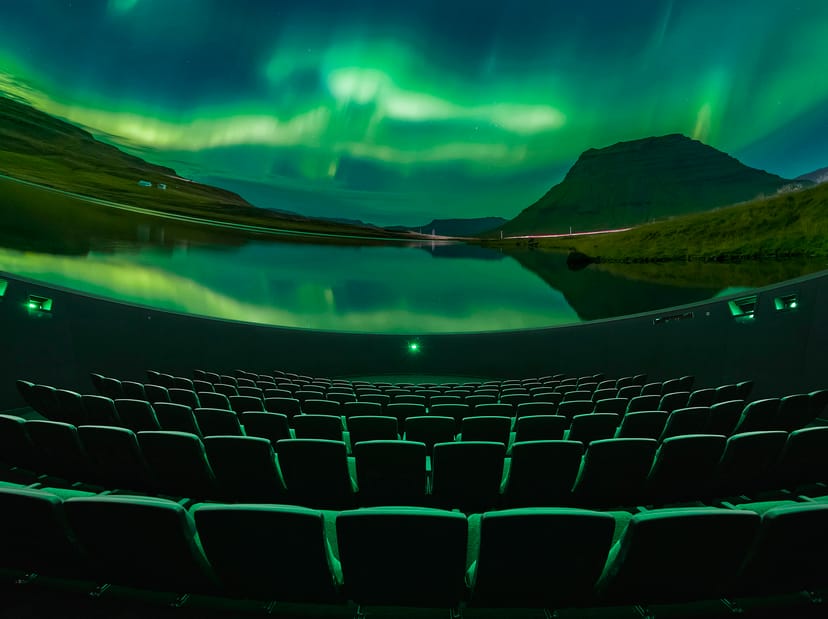
Top 10 Places To See the Northern Lights in Iceland
Discover the best places to see the Northern Lights in Iceland, from Jökulsárlón and Kirkjufell to Reykjavík, Þingvellir and North Iceland.
Ice Caves From Reykjavik
Planning an ice cave trip from Reykjavik? Compare Katla, Langjökull and Vatnajökull, travel times, seasons and Perlan’s ice cave in the city.