
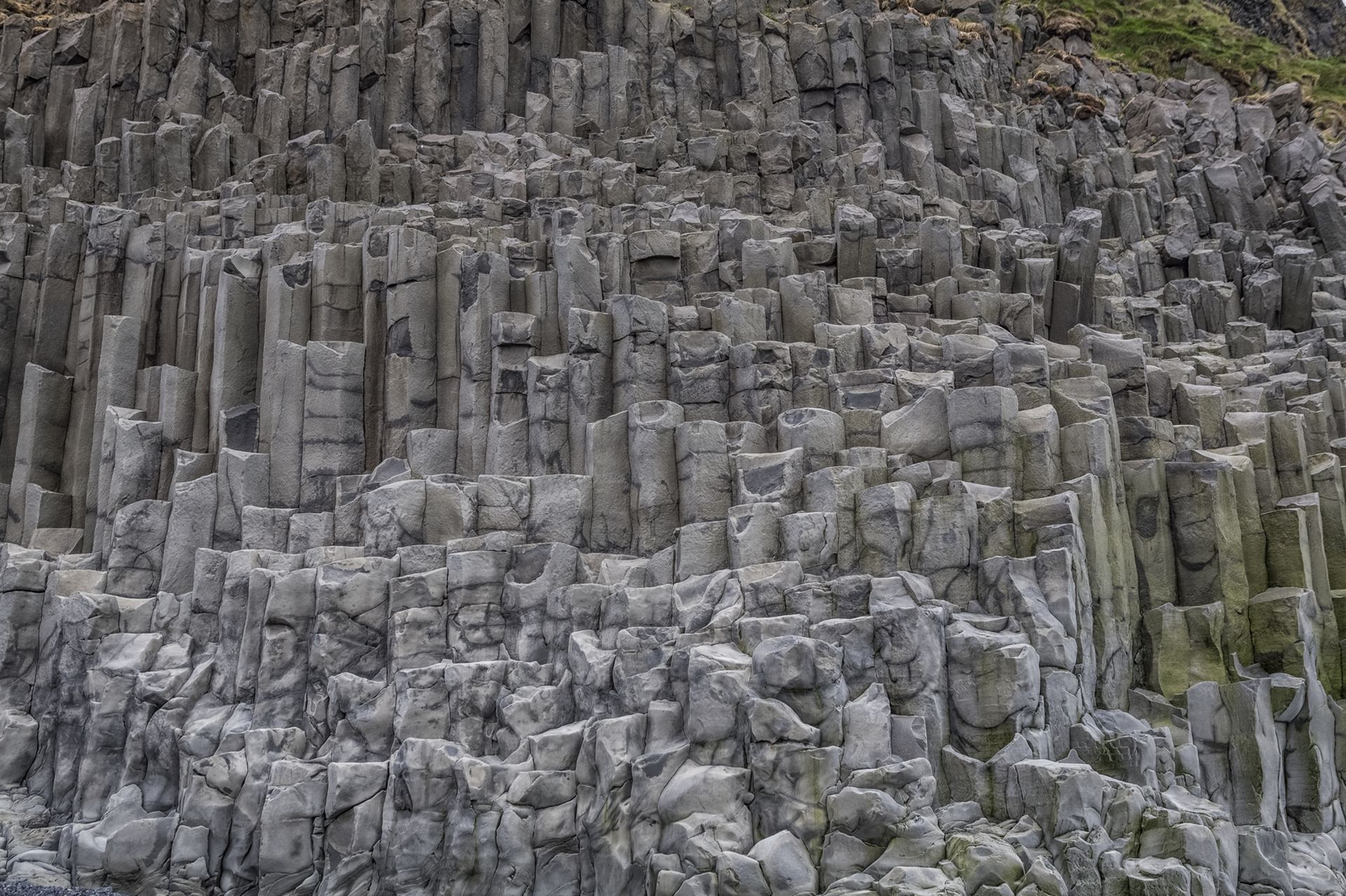
Basalt Columns in Iceland
Few natural sights possess the sheer architectural beauty of the basalt columns in Iceland. Looking like the stacked, six-sided building blocks of giants, these striking volcanic rock formations create some of the country’s most fascinating landscapes. Found in many Icelandic regions, you’ll see these columns framing black-sand beaches, cradling mighty waterfalls, and lining remote canyons.
What Are Basalt Columns and How Are They Formed?
Basalt is the dark, common type of volcanic rock that pours out of volcanoes as basaltic lava.
Basalt columns form when thick and stagnant lava flows cool and solidify slowly. As the hot rock cools and contracts, it begins to crack from the surface inward, relieving the intense stress of cooling. These fractures, known as columnar jointing, naturally spread out to form the most efficient geometric pattern: a honeycomb of six-sided columns. The process typically continues until the whole lava flow is solidified.
Location is the reason behind Iceland’s abundance of these rock formations. The entire country sits over the Mid-Atlantic Ridge, where the Eurasian and North American tectonic plates are pulling apart. It means frequent volcanic activity, with much of the magma expelled being the basaltic material needed to create these perfect pillars.
Famous Basalt Column Sites in Iceland
While the country is packed with hidden geological gems, these are the most famous and accessible basalt columns in Iceland that you cannot miss.
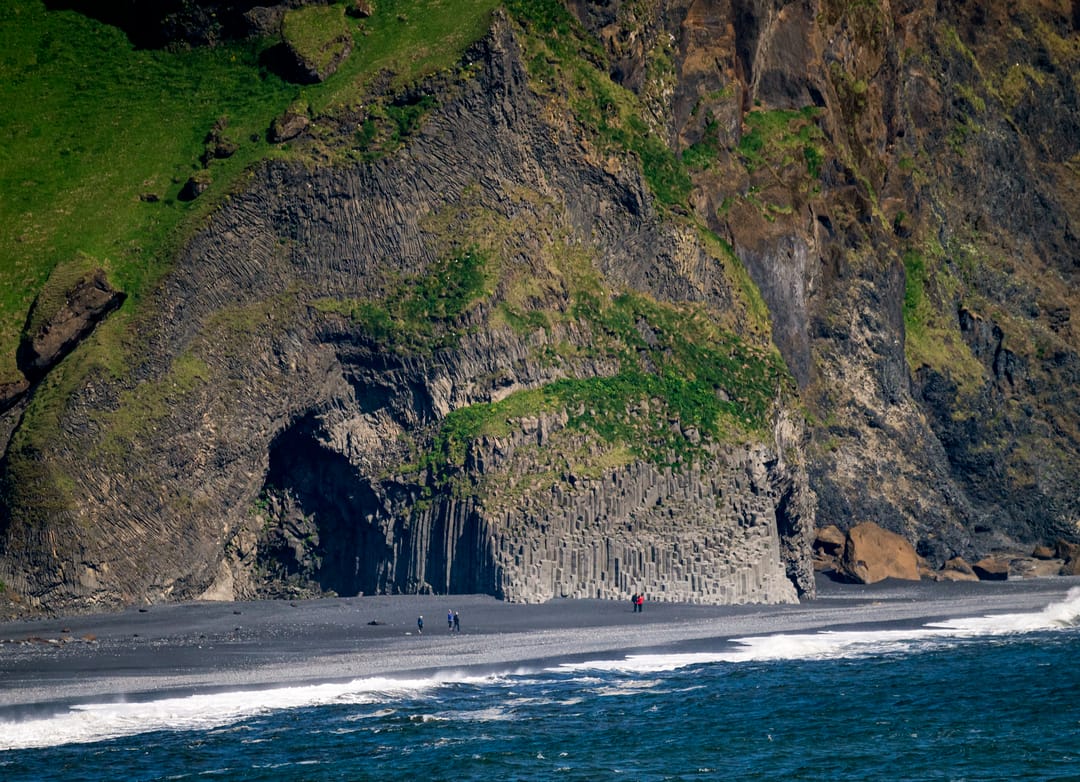
Reynisfjall Mountain and Hálsaneshellir Cave (Black Sand Beach)
Located at the coast of Reynisfjara Beach in southern Iceland, Reynisfjall mountain, with its near-vertical rocks, faces the Atlantic Ocean. There, the waves have revealed fine columnar jointed rocks. They have also eroded a wide cave, Hálsanefshellir Cave, with the same regular rock formation.
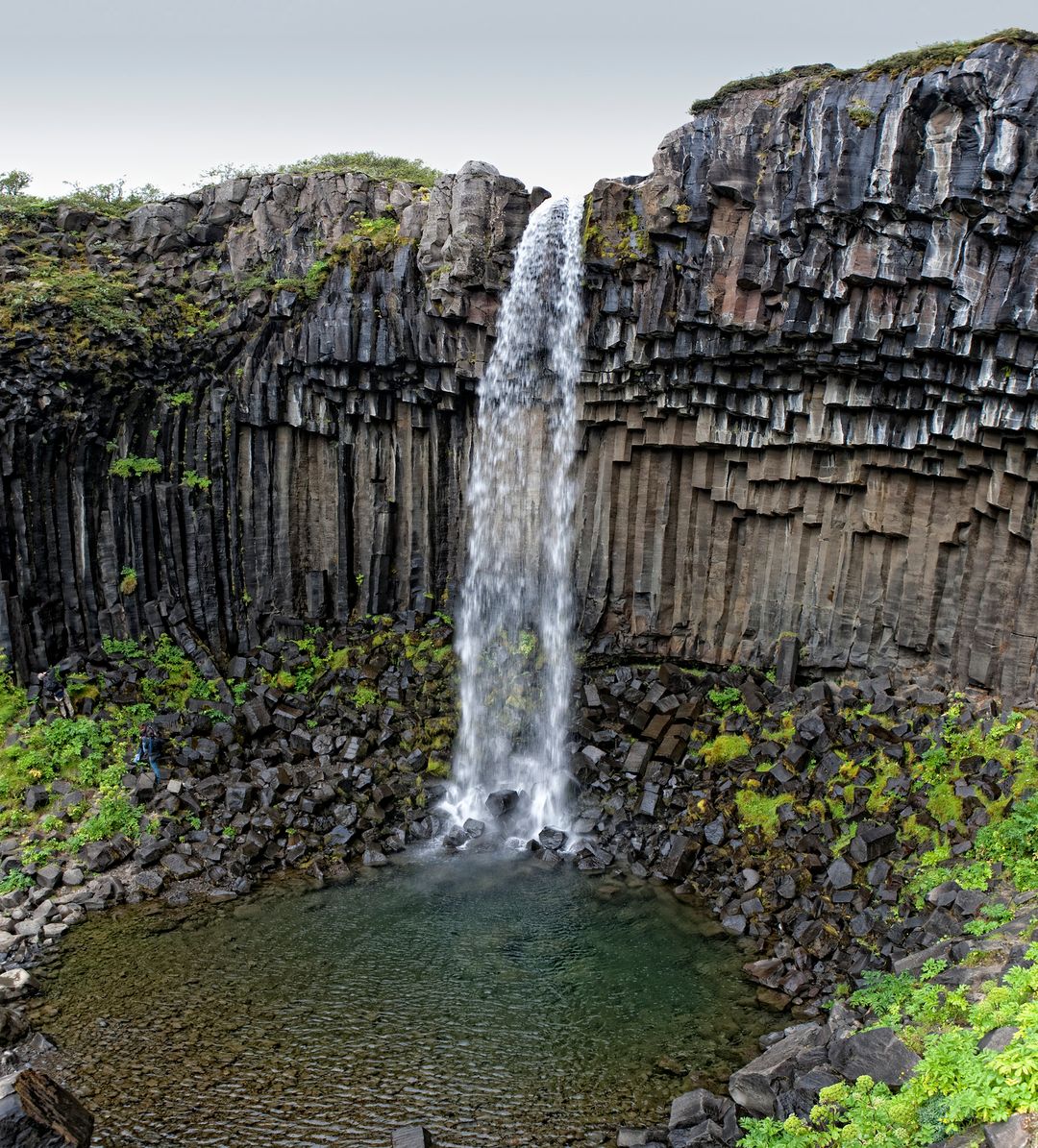
Svartifoss Waterfall in Skaftafell
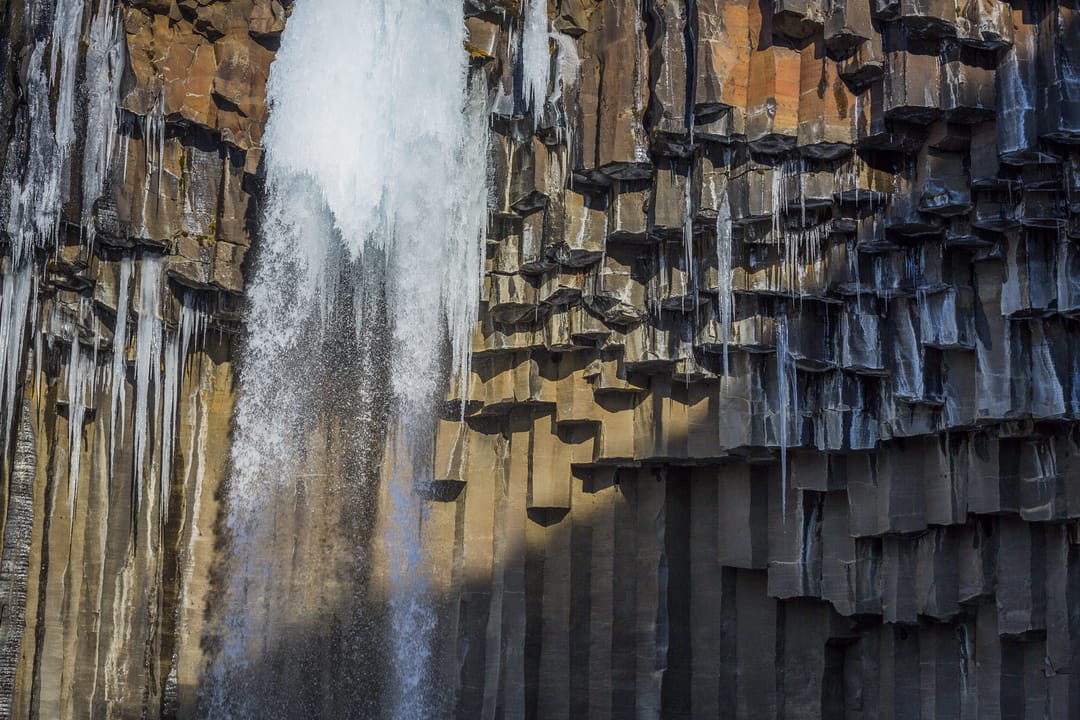
Travel to the Skaftafell area of Vatnajökull National Park to see Svartifoss Waterfall (Black Falls). It feels a bit like walking into nature’s cathedral, with the cascade plunging over a sheer wall of dark basalt columns in Iceland. Black pillars frame the icy waters like the massive pipes of a great organ, creating a picture of scale and grandeur. The falls are accessible via a moderate mile-long (1.5-kilometre) hike passing through lush flora, glacial ice, and volcanic plains.
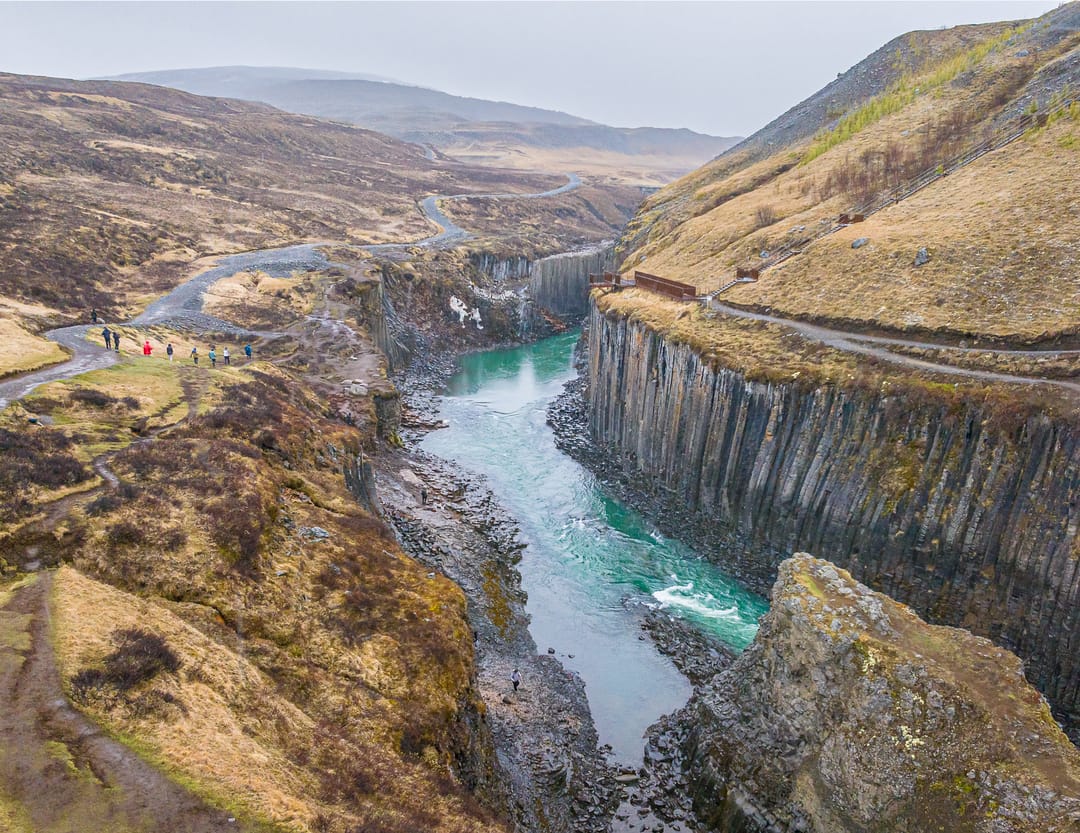
Stuðlagil Canyon in Jökuldalur Valley
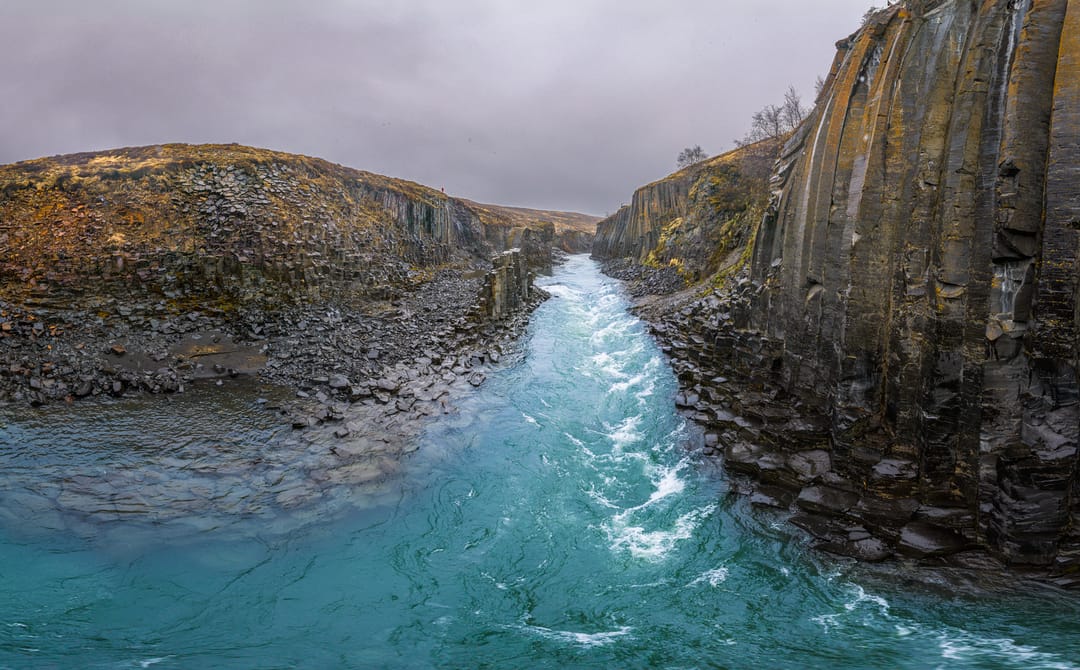
Towering over strikingly colored waters in Jökuldalur Valley, Stuðlagil Canyon is one of the prettiest basalt columns in Iceland. The towering dark pillars line the river-worn gorge, creating a dramatic contrast with the turquoise glacial-fed water.
For many years, the remote canyon lay hidden beneath the powerful glacial river. But when water levels dropped following a hydropower project that diverted the river’s flow, the majestic basalt‐column walls were revealed.
Gerðuberg Cliffs on the Snæfellsnes Peninsula
When entering the Snæfellsnes Peninsula from Reykjavík, one of your first sights is the massive, fortress-like wall of the Gerðuberg Cliffs. These imposing basalt columns in Iceland form a near-perfect, uniform curtain, stretching hundreds of meters across the landscape. Highly accessible, the cliffs serve as a spectacular gateway to West Iceland and the many hidden gems on the peninsula.
Other Notable Basalt Column Beaches and Rock Formations
Beyond the most famous ones, there’s an array of spectacular basalt columns across Iceland. Look for these distinctive sites as you travel:
- Kirkjugólf ("Church Floor"): Just east of Kirkjubæjarklaustur, this natural pavement of basalt-column tops resembles a finely tiled floor. Glass-smooth hexagonal slabs stretch across a wide expanse of ground.
- Hljóðaklettar ("Echo Rocks"): Found in Vatnajökull National Park, this unique circular trail showcases several volcanic rock formations, including the castle-shaped Kastili and the echoing Kirkjan.
- Dverghamrar Cliffs ("Dwarf Cliffs"): Close to the Church Floor, this striking, small canyon of basalt columns is said to be the home of elves and dwarves who inhabit the area.
- Litlanesfoss Waterfall: In East Iceland, a waterfall framed by basalt-column cliffs. While relatively small, its rock walls provide a dramatic geological backdrop along the hiking trail toward Hengifoss Waterfall.
- Kálfshamarsvík: On the tip of the Skagi Peninsula in the north, a remote pebble-cove lined by towering basalt columns in Iceland. The site includes the ruins of a deserted fishing hamlet and a lighthouse set amid the rockwork.
Architecturally, Iceland's love for basalt even extends to its buildings. Prominent architect Guðjón Samúelsson famously integrated the geometric patterns into structures like Reykjavík’s Hallgrímskirkja Church and Iceland’s National Theatre.
Best Time to Visit Basalt Column Sites in Iceland
The basalt columns in Iceland are magnificent year-round, but your experience changes greatly with the season. Summer offers mild weather, long daylight hours, and the vibrant turquoise colour of the river at Stuðlagil Canyon. Winter provides a magical layer of snow, fewer crowds, and the possibility of seeing the Northern Lights. Always check road conditions outside the summer months.
Tips for Visiting & Photographing Basalt Rock Formations
- Safety First at the Coast: Never turn your back on the ocean at black sand beaches like Reynisfjara. Suddenly, powerful "sneaker waves" are highly dangerous.
- Mind Your Footing: Basalt columns, especially near waterfalls or wet areas, are often slick with ice, spray, or moss.
- Photograph the Scale: The columns are enormous, so include a person, a nearby object, or the whole cliff face in your photo to emphasise the size. Use a wide-angle lens.
- Chase the Light: Shoot early in the morning or late in the evening (the "golden hour") when the sun is low. This soft, angled light enhances the texture and depth of the dark basalt.
- Stay Flexible: The Weather in Iceland is constantly changing. Check weather and road conditions (vedur.is and road.is) before travelling to remote basalt column sites.
Perlan’s Forces of Nature Exhibition: Learn More About Iceland’s Volcanic Rock Formations
Ready to dive deeper into the forces that sculpted these geometric wonders? At Reykjavík’s Perlan Museum, the Forces of Nature exhibition brings the geology behind the basalt columns of Iceland to life. Interactive displays explain columnar jointing, volcanic activity, and Iceland's unique place on the tectonic plate boundary. It's the perfect indoor exploration after viewing the magnificent natural pillars across the country.
FAQs: Basalt Columns Iceland
What are the basalt columns in Iceland?
Basalt columns are pillars of rock, usually with six sides, that formed when hot lava cooled quickly and cracked.
Are the cliffs at the Black Sand Beach Basalt Columns?
No, the Reynisdrangar Sea Stacks at the Black Sand Beach (Reynisfjara) in Vík are not basalt columns.
Where can I see basalt columns?
The most famous spots are Svartifoss waterfall and Stuðlagil Canyon. You can find notable examples all along the Ring Road, particularly in South and East Iceland.
How are basalt columns formed?
They are created by columnar jointing: the process where lava shrinks while cooling, forcing the rock to split into a pattern of hexagonal shafts.
What is the columnar basalt on the Icelandic coast?
It refers to the large formations found at coastal sites like Reynisfjara and Kálfshamarsvík.
Are the basalt columns safe to climb?
No, climbing is strongly discouraged as the columns can be slippery. Always stay behind marked safety ropes and follow local signage.
Popular articles
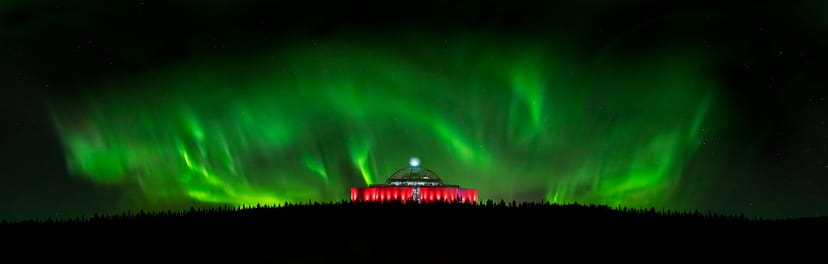
The Complete Guide to the Northern Lights in Iceland
Learn how the Northern Lights form, where to see them in Iceland, how to prepare, take photos, read the forecast, and improve your chances of a sighting.
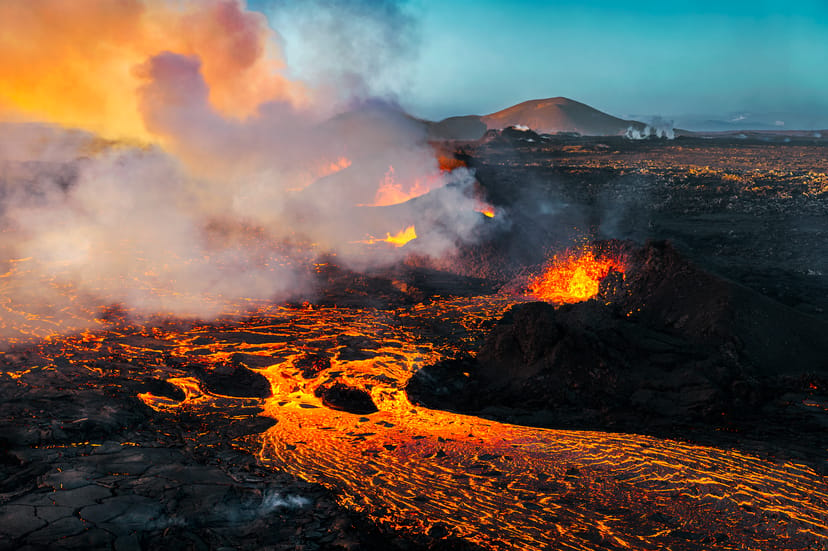
Let's Talk About the Volcano in Iceland About to Erupt
Is a volcano in Iceland about to erupt? Here’s what travelers should know about Svartsengi, Reykjanes activity, flights, safety, and the Blue Lagoon.
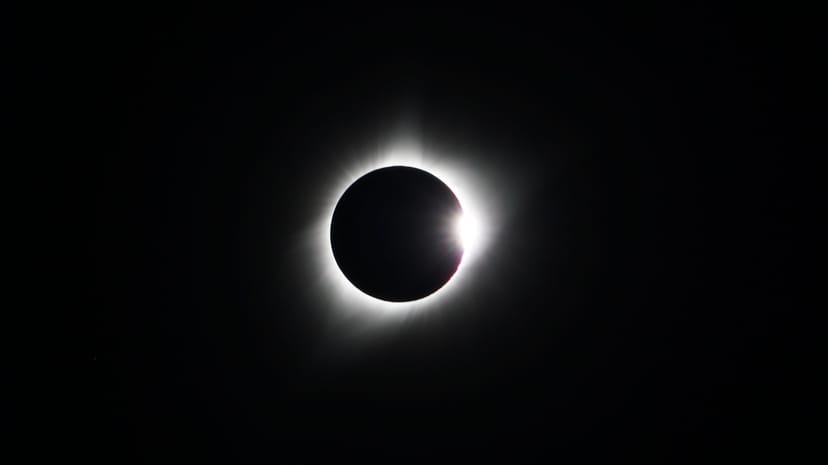
Solar Eclipse 2026 in Iceland | What Happened
Iceland experienced a total solar eclipse on August 12, 2026. Discover what happened in Reykjavík, eclipse times, totality locations and more.
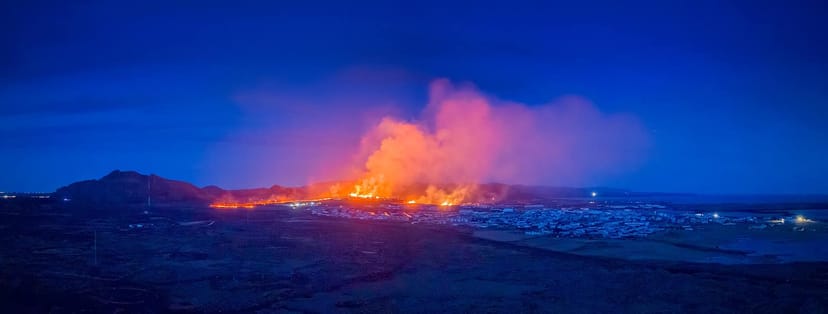
September 2026 updates on the Sundhnúkagígar Eruption in the Reykjanes Peninsula!
The current eruption in the Reykjanes Peninsula, is called Sundhnúkagígar Crater Row. See insights on the seismic activity and volcanic eruptions in the area!
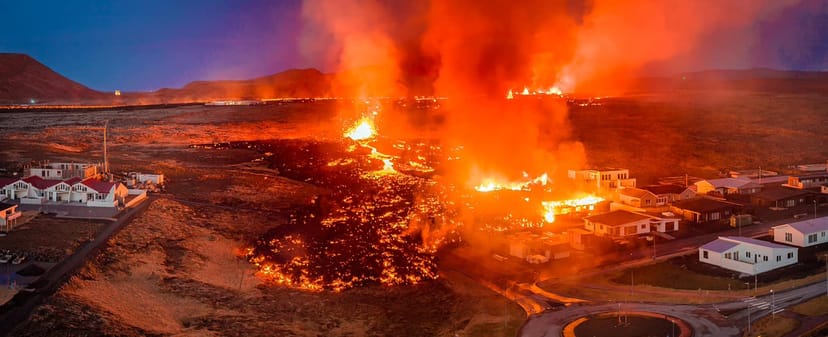
Active Volcanoes in Iceland 2026
Active volcanoes aren't the same thing as active eruptions. A volcano can be considered active even when it is not ejecting ash, rock, gases and magma, so which are active in Iceland in 2026?
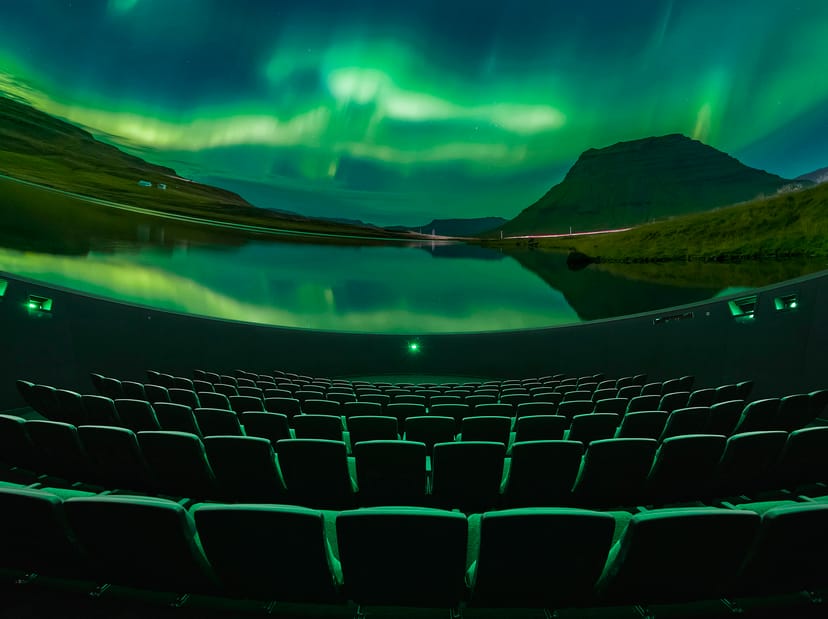
Top 10 Places To See the Northern Lights in Iceland
Discover the best places to see the Northern Lights in Iceland, from Jökulsárlón and Kirkjufell to Reykjavík, Þingvellir and North Iceland.
Ice Caves From Reykjavik
Planning an ice cave trip from Reykjavik? Compare Katla, Langjökull and Vatnajökull, travel times, seasons and Perlan’s ice cave in the city.