
All About Berries in Iceland
Although the foraging season is short, the variety of berries Iceland offers is surprisingly diverse for its climate. In summer, travelers might occasionally spot locals hunched over the heath, fingers stained as they gather these tiny fruits. While it’s not among Iceland’s main attractions, berry picking is a chance to taste the wild, intense flavors of the island.
Are There Berries in Iceland?
In a nutshell: yes. Despite the country’s reputation for barren ice and volcanic fire, summer provides a surprisingly fertile window for wild fruit. Berries are well-adapted to Iceland’s harsh climate, thanks to the intensity of its seasons. The long daylight hours of midsummer fuel rapid growth.
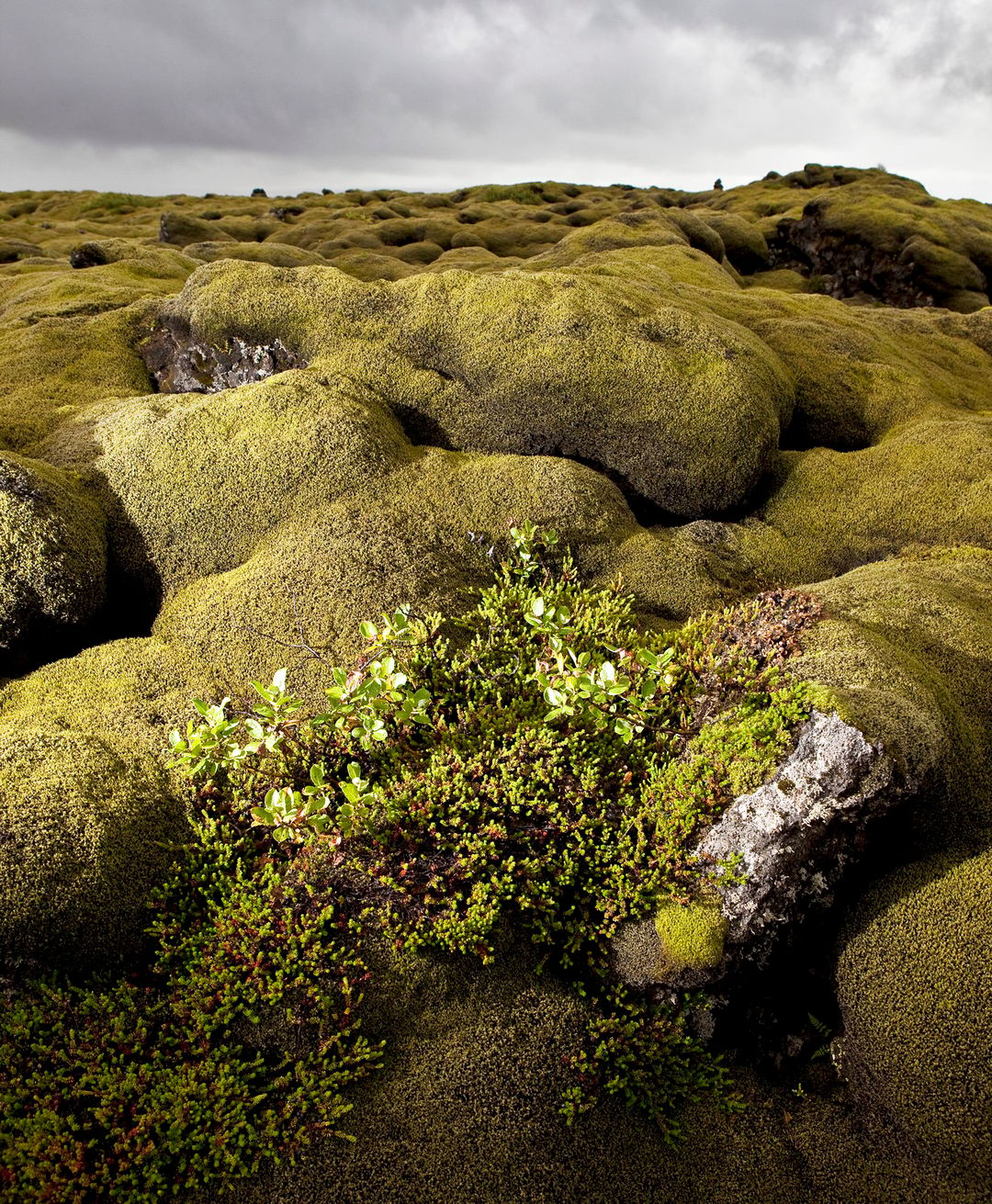
Additionally, these plants have evolved to withstand wind and cold. Berry shrubs hug the ground, nestle into protected nooks of lava fields, spread across damp heaths, and take root in sheltered birch woodlands. Finding these berry patches often comes down to moisture. Areas with steady water tend to support the best growth, such as wetlands, lowlands, and the famous Icelandic moss-covered lava fields.
The Water in Icelandic Nature exhibit at Perlan explores how the movement of water through glaciers and landscapes sustains entire ecosystems. It’s an educational look into how pristine water sources nourish the wild berries Iceland locals pick every year.
The Role of Berries in Icelandic Culture
For Icelanders, berry picking (berjamó) is a cherished late-summer tradition that marks the transition from summer to winter. It is often a shared activity, with families heading into the countryside to gather as much as possible before the first frost. Today, berjamó remains a valued seasonal ritual. It’s not just a reason to explore Iceland’s landscapes, but a way to connect with nature and tradition.
Types of Berries in Iceland
Even though the climate limits traditional agriculture, a good variety of berries Iceland produces thrive in wild, volcanic landscapes. These different species each offer a taste of the island's untamed land.
Bilberries
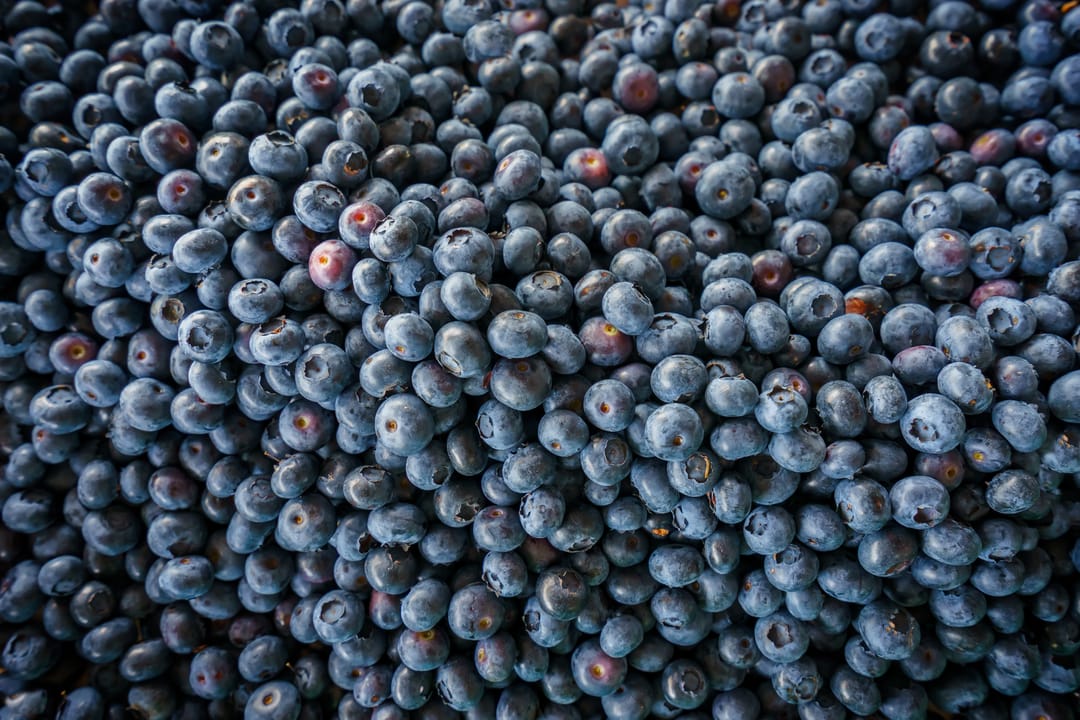
Known as the “king” of Icelandic berries, bilberries (aðalbláber) are prized for their intense sweetness and deep purple juice. These small, flavorful berries grow on low-lying shrubs across heaths and open landscapes, ripening from late July through August. They are distinguished by their dark flesh and are rich in antioxidants. Among the most sought-after finds during berjamó, bilberries are perfect for eating fresh or turning into rich, high-quality jams.
Bog Bilberries
Often confused with their cousins, bog bilberries (bláber) are slightly larger with a milder, tarter flavor and pale, greenish-white flesh. They are extremely common across Icelandic heaths and wetlands, thriving in damp, acidic soils. Ripening around the same time as bilberries, they are easy to gather in large quantities. Although they are not as sweet as aðalbláber, they are excellent in smoothies, baking, and desserts.
Crowberries
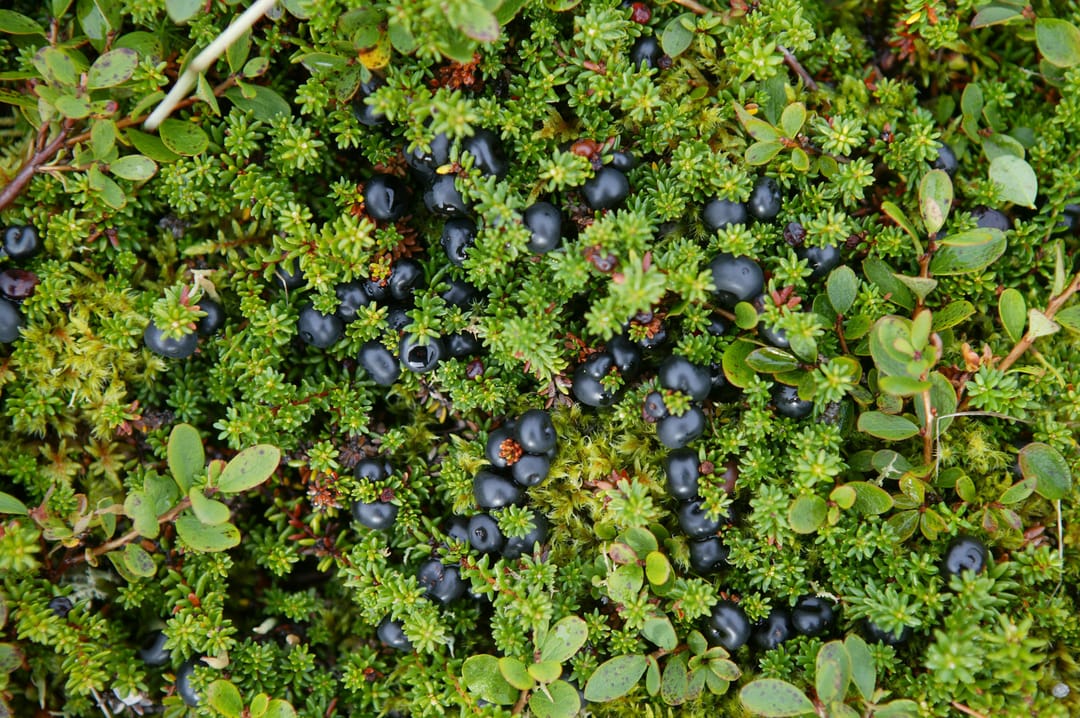
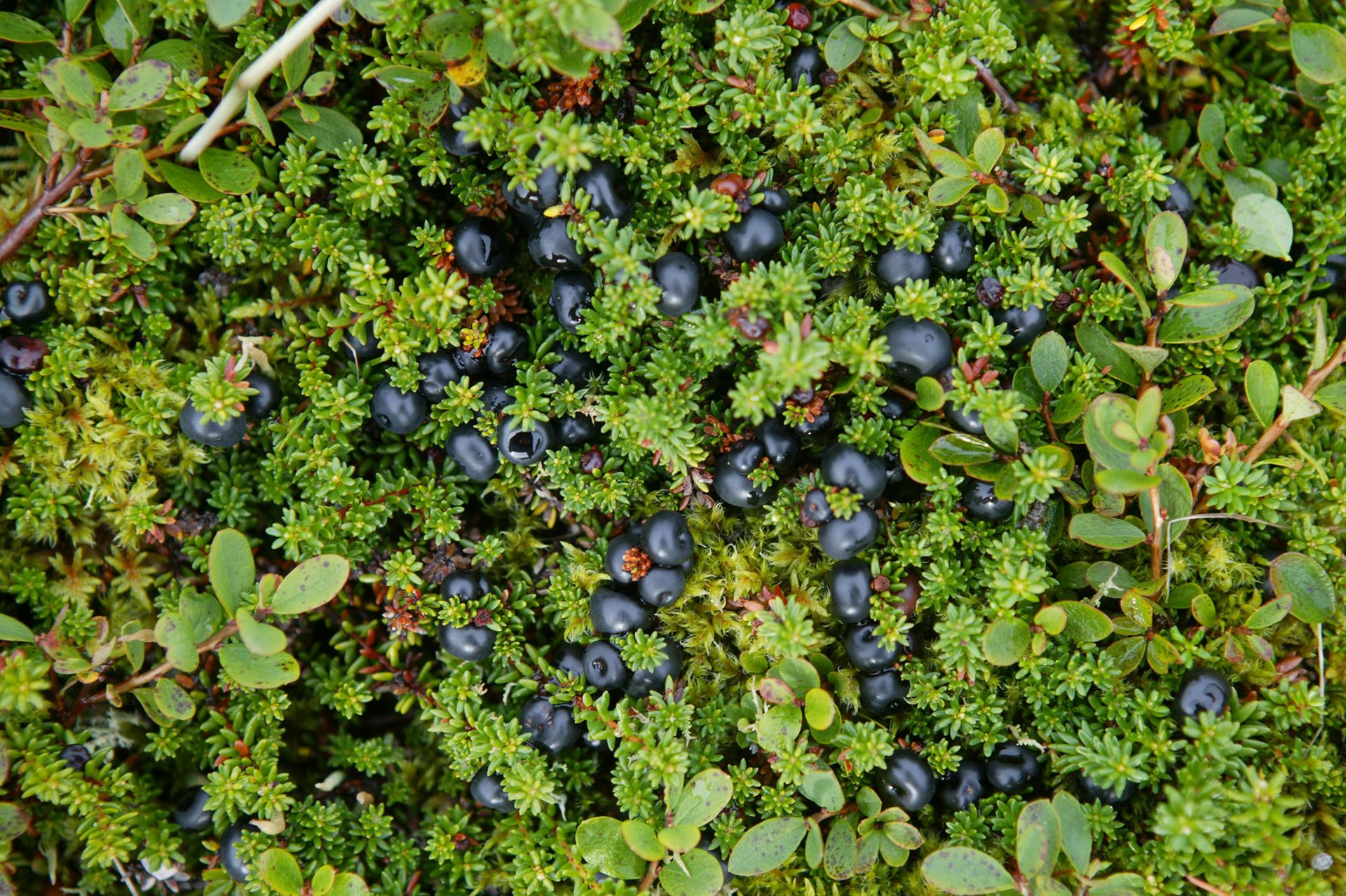
The most abundant among all berries in Iceland, crowberries (krækiber) appear small, shiny, and jet-black. They carpet lava fields, coastal areas, and heathlands, ripening later in the season, often peaking in August and September. The mildly bitter, watery taste and many small seeds make crowberries less popular for eating. However, they are highly valued for juices, jellies, and traditional preserves, along with their high antioxidant content.
Stone Bramble
Recognizable by their bright red, raspberry-like appearance, stone brambles (hrútaber) grow in rocky soils, lava fields, and sheltered birch woodlands. They ripen in mid to late summer, but they’re not as frequently found as bilberries or crowberries. Their relatively large seeds give them a slightly coarse texture. Locals use their tart, acidic flavor to add brightness to mixed berry jams and syrups.
Lingonberries
Less common than crowberries or bilberries, lingonberries are a rarer find in Iceland. Unlike the others, they only grow in limited areas of the country. These firm, tart red berries ripen toward the end of summer and are known for their excellent keeping qualities. Traditionally, lingonberries are used to make a sweet-tart sauce that pairs well with meat and game dishes.
Other Berries Iceland Is Home to
While Iceland’s heathlands are best known for their dark blue and black berries, other species dot the landscape. Some are occasional treats, while others are best left for the birds.
- Wild Raspberries: Not native to Iceland and extremely rare, these are typically found in sheltered gardens or isolated, well-protected spots. Wild raspberries in Iceland tend to be smaller and more delicate than cultivated varieties.
- Red Currants: Often growing near old farmsteads or escaping from cultivation, these bright, translucent berries are often used for jellies and preserves.
- Dwarf Cornel: Easily mistaken for stone bramble, this red, low-growing plant produces berries that are technically edible but bland and mealy. They are generally left unpicked.
- Wild Strawberries: A rare but delightful find, these tiny berries grow in sheltered, sunny areas such as grassy slopes and birch woodlands. While small, they are known for their concentrated flavor.
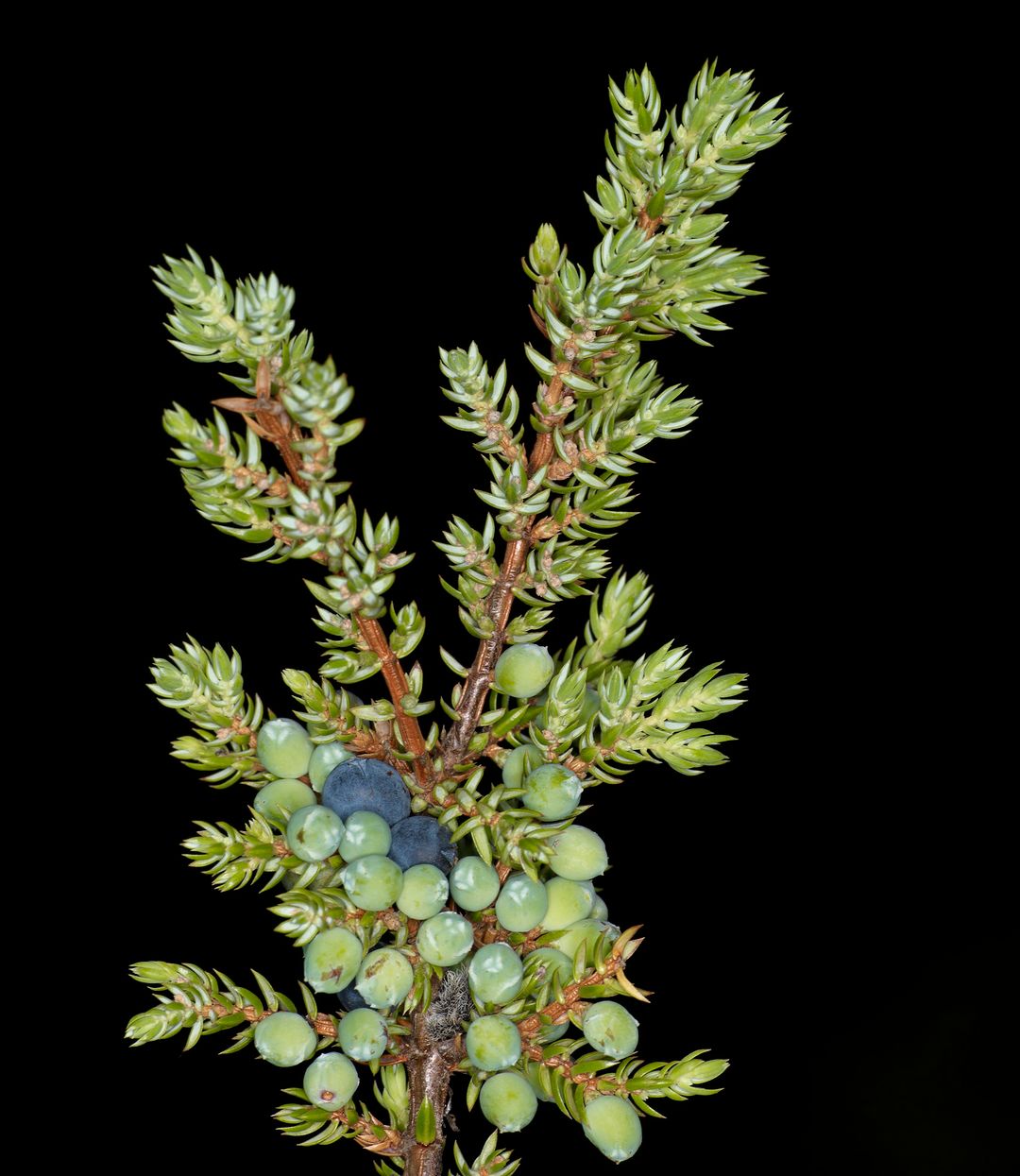
- Juniper Berries: Despite the name, these are not true berries but seed cones. They are used as a spice in Nordic cuisine, even though juniper plants are extremely rare in Iceland.
When Is Berry Picking Season in Iceland?
The timing for berry picking in Iceland is dictated by the short and temperamental summer. While plants flower in June and July, the fruit needs the long daylight hours of midsummer to ripen and sweeten.
In general, the berry-picking season (berjamó) begins in early to mid-August and continues through mid-September. By late August, the countryside is often at its peak, with hillsides dotted with ripe bilberries and crowberries. This is the best time to find the most flavorful berries Iceland has to offer.
The season gradually tapers off with the first significant night frosts, which can arrive as early as late September. The Icelandic berries may still be present, but frost causes them to soften and lose some of their quality.
Tips for Finding and Picking Berries
Finding the best patches for Iceland berries is a mix of timing and a good eye for the landscape. Whether you are a casual hiker or a dedicated forager, these tips will help you make the most of the season.
- Look for Low-Lying Greenery: Most wild berries grow on low, woody shrubs. Scan the ground for patches of green or reddish-tinged leaves tucked into the moss, which are often hiding bilberries or crowberries.
- Tread Lightly on the Landscape: The Icelandic ecosystem is incredibly fragile. Stay on marked paths whenever possible and avoid trampling ancient moss.
- Identify Before You Taste: While most berries on the island are safe, it is important to accurately identify your find. Stick to the well-known species like bilberries and crowberries.
FAQs
The most common varieties are bilberries, bog bilberries, and crowberries, which are widespread across the countryside in late summer. You can also find stone brambles, and more rarely, wild strawberries and lingonberries.
Crowberries, bilberries, and stone brambles are among the most prominent native fruits, well-adapted to Iceland’s climate and volcanic landscapes. While few large fruits grow wild, these hardy Iceland berries have long thrived in the island’s natural environment.
Yes, cloudberries are real, but while prized for their tart flavor and high Vitamin C content, they’re extremely rare in Iceland. They grow in isolated wetland areas and are not commonly encountered.
Most wild berries in Iceland are safe and enjoyable to eat, especially common blue and black varieties like bilberries and crowberries. However, it’s important to correctly identify the berries and to avoid picking near busy roads, where plants may be exposed to pollution.
Wild berries can be found across Iceland in heather-covered hillsides, lava fields, wetlands, and birch forests. Popular and accessible areas include the Heiðmörk nature reserve near Reykjavík and the surrounding landscapes of Hvalfjörður.
Popular articles
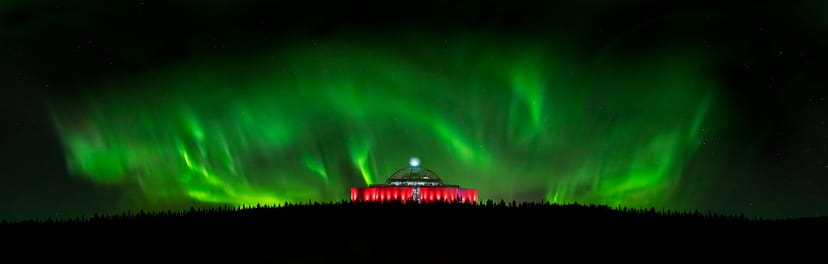
The Complete Guide to the Northern Lights in Iceland
Learn how the Northern Lights form, where to see them in Iceland, how to prepare, take photos, read the forecast, and improve your chances of a sighting.
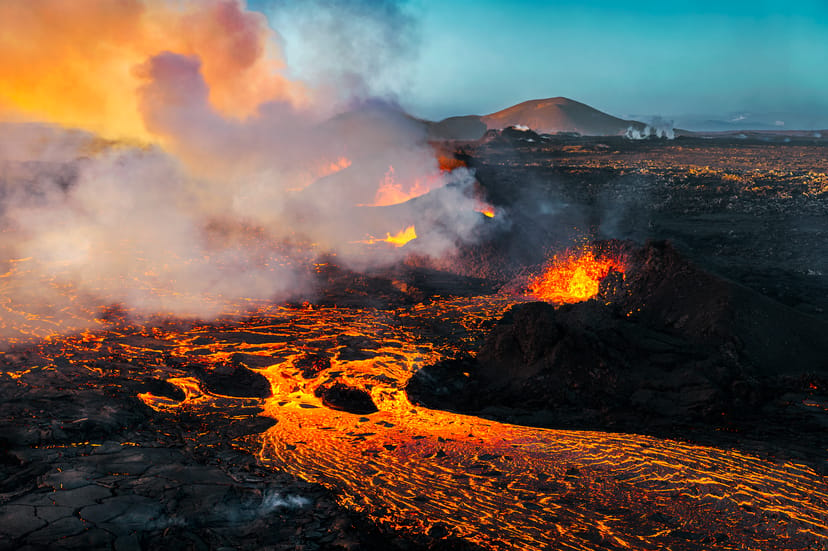
Let's Talk About the Volcano in Iceland About to Erupt
Is a volcano in Iceland about to erupt? Here’s what travelers should know about Svartsengi, Reykjanes activity, flights, safety, and the Blue Lagoon.
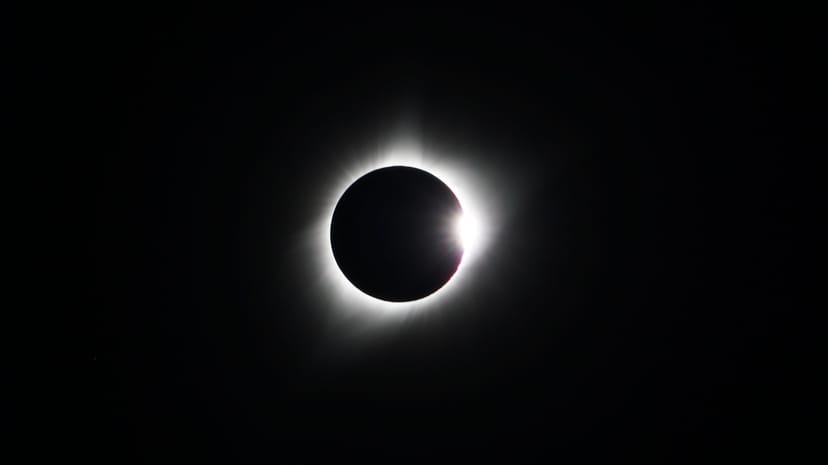
Solar Eclipse 2026 in Iceland | What Happened
Iceland experienced a total solar eclipse on August 12, 2026. Discover what happened in Reykjavík, eclipse times, totality locations and more.
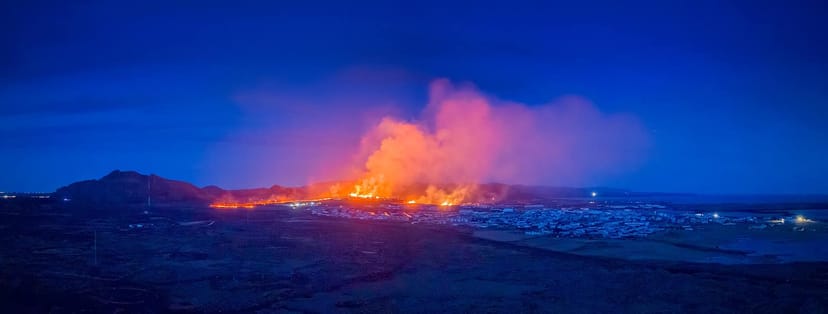
September 2026 updates on the Sundhnúkagígar Eruption in the Reykjanes Peninsula!
The current eruption in the Reykjanes Peninsula, is called Sundhnúkagígar Crater Row. See insights on the seismic activity and volcanic eruptions in the area!
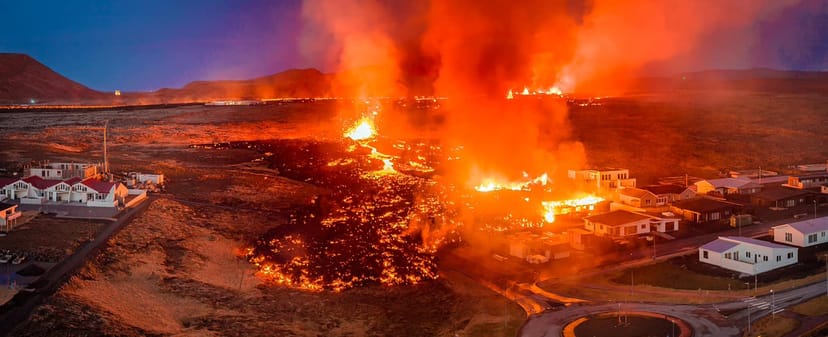
Active Volcanoes in Iceland 2026
Active volcanoes aren't the same thing as active eruptions. A volcano can be considered active even when it is not ejecting ash, rock, gases and magma, so which are active in Iceland in 2026?

Top 10 Places To See the Northern Lights in Iceland
Discover the best places to see the Northern Lights in Iceland, from Jökulsárlón and Kirkjufell to Reykjavík, Þingvellir and North Iceland.
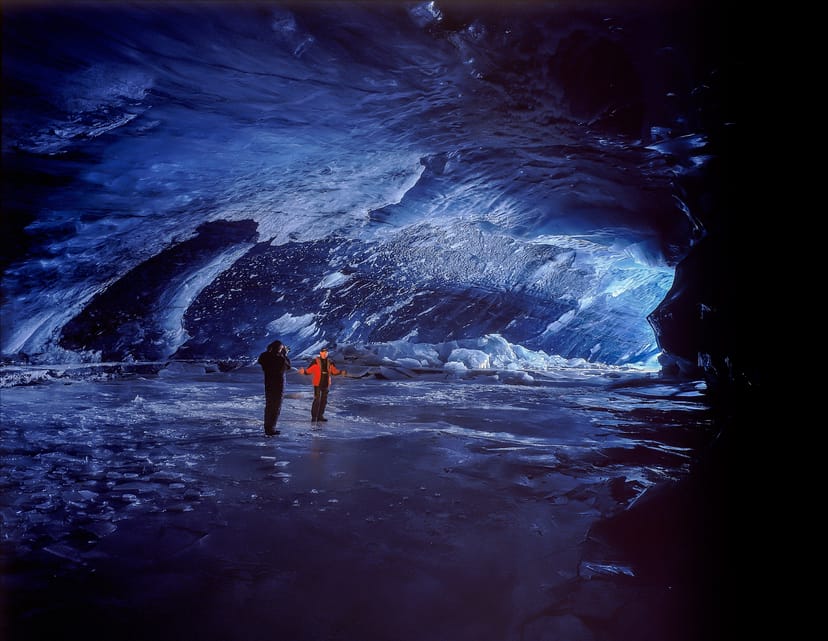
Ice Caves From Reykjavik
Planning an ice cave trip from Reykjavik? Compare Katla, Langjökull and Vatnajökull, travel times, seasons and Perlan’s ice cave in the city.