
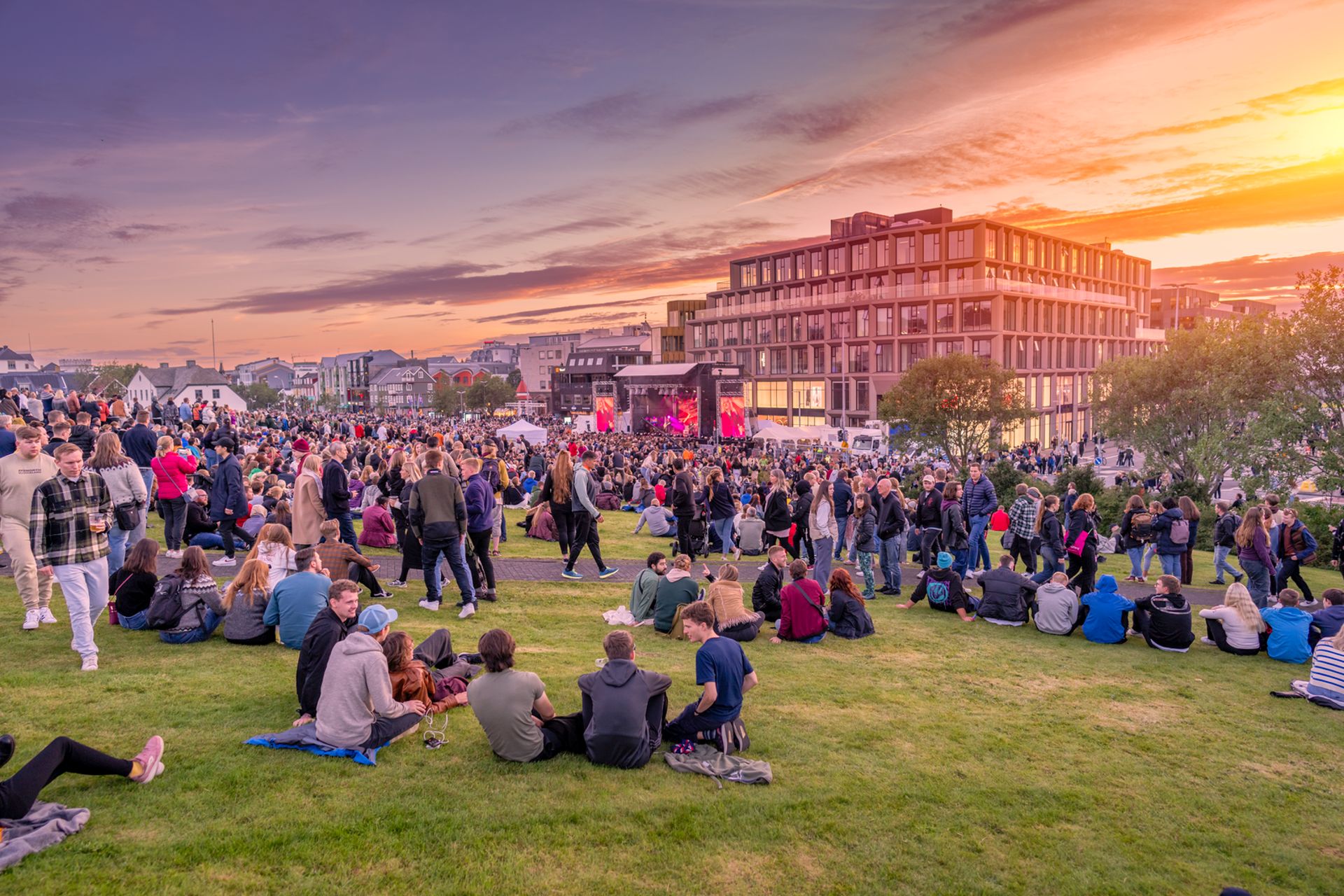
Things to Do in Reykjavík in August
August marks the height of Icelandic summer and is among the busiest months for tourism in the capital. It's easy to see why; there’s an incredible range of things to do in Reykjavík in August, both indoors and outdoors.
And during this month, conditions are ideal for exploring. With the average temperature hovering between 10°C and 15°C (50°F–59°F), the weather is generally mild and more favorable than in other seasons. Early August still enjoys long daylight hours, while by the end of the month, nights grow darker again. Towards its last days, the Northern Lights may even reveal themselves once more.
Planning a Reykjavík trip this coming August? Here are the best things to do in the capital, from cultural events to outdoor adventures.
1. Celebrate Diversity at Reykjavík’s Pride Parade
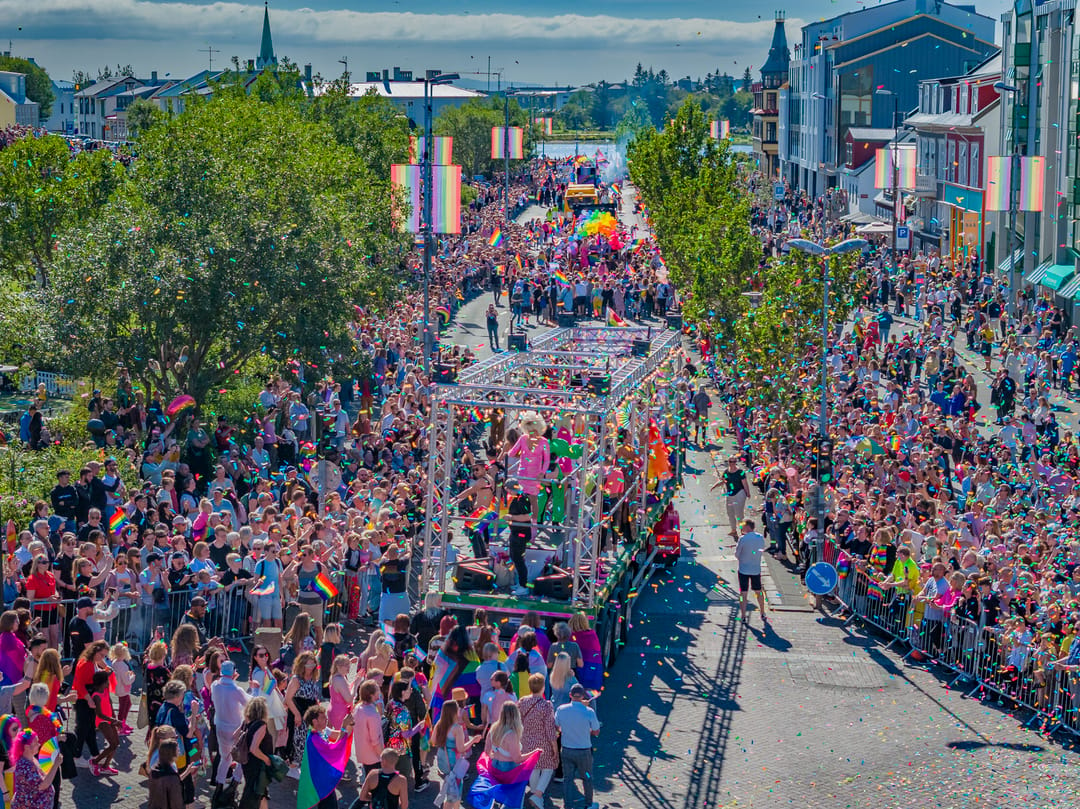
Reykjavík's annual Pride Parade has been a staple of the city’s summer calendar for over 25 years. Known locally as Hinsegin Dagar, the festival grew out of Iceland’s LGBTQ+ rights movement. It has since become one of the most important festivals in Iceland in August, attracting thousands of international participants.
Held over about a week in early August, Reykjavík Pride is a vibrant celebration of diversity and inclusion. The highlight is the colorful street parade, which transforms downtown Reykjavík into a lively space with music, performances, and community spirit.
2. Run (or Watch) the Reykjavík Marathon
If an active city challenge is more your speed, plan your visit around the Reykjavík Marathon near the end of the month. Traditionally held on the same day as Culture Night, this is one of the most energetic things to do in Reykjavík in August. The race offers several distances, all starting and finishing near Tjörnin, the city's scenic pond. If the full 42km marathon appears a bit daunting, you can opt for the half marathon, 10km race, or 3km fun run.
The milder weather in Iceland in August makes for generally comfortable running conditions. As a reward, registration fees include free entry to geothermal swimming pools in Reykjavík. It’s the perfect post-race recovery to soothe aching muscles.
3. Enjoy a Refreshing Summer Swim at Nauthólsvík Geothermal Beach
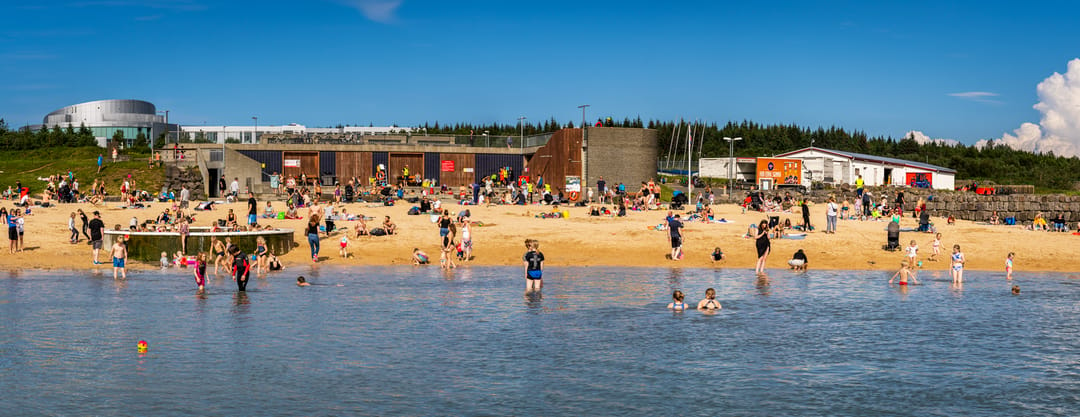
Located a one-kilometer (0.6-mile) stroll from Perlan, Nauthólsvík is a man-made geothermal beach with imported golden sand. A surprising but welcome find within the city, this golden beach is reminiscent of picture-perfect beaches in warmer climates.
Nauthólsvík uses geothermal water to heat a sheltered bay, which can reach temperatures of up to 19°C (66°F) in summer. Conditions can vary, though. Swimmers are advised to play it safe as the surrounding North Atlantic stays significantly colder. In addition to the lagoon, the complex features hot tubs and steam baths. It’s a fantastic summer spot for outdoor swimming without leaving the capital or traveling to remote hot springs.
4. Enjoy Innipúkinn Music Festival
The first Monday of August is Fridagur Verslunarmanna (Shopworker's Holiday) across Iceland. While many locals head out of the city to camp or attend outdoor festivals, Innipúkinn offers a lively urban alternative. Its name even loosely translates to “homebody,” catering to people who prefer city comforts over tents and muddy fields. Held over the holiday weekend in Reykjavík, the festival showcases a wide range of Icelandic artists across genres. It is a key highlight for anyone visiting Iceland in August, looking to experience the local music scene.
5. Experience Menningarnótt
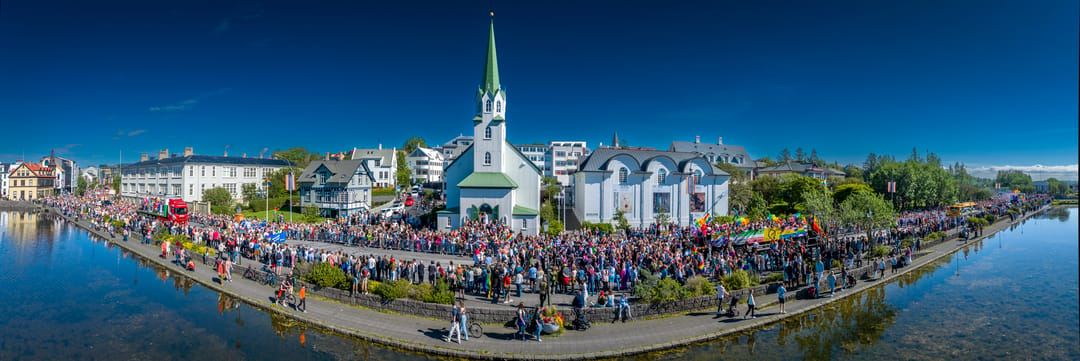
Truly, there's no shortage of cultural things to do in Reykjavík in August. One of the city’s biggest annual events is Menningarnótt or “Culture Night,” a city-wide celebration of art, music, and community. It unofficially kicks off the cultural season, bringing together museums, galleries, and other institutions for a day of mostly free events.
Events take place throughout downtown Reykjavík, filling streets, squares, and gardens with concerts, exhibitions, and performances. The festivities culminate in a huge fireworks display over the harbor at around 11 p.m. As the long days of summer shorten and evenings darken, the pyrotechnics show becomes even more striking against the sky.
6. Attend the Reykjavík Jazz Festival
More music arrives later in the month with the Reykjavík Jazz Festival often running from late August into early September. This event brings together a diverse lineup of jazz and improvisational musicians from Iceland, Europe, and the United States. Performances are staged at the Harpa concert hall and smaller venues around the city, creating an intimate atmosphere for music. From established performers to emerging local talent, the festival offers a taste of Iceland’s thriving contemporary jazz scene.
7. Go Whale Watching
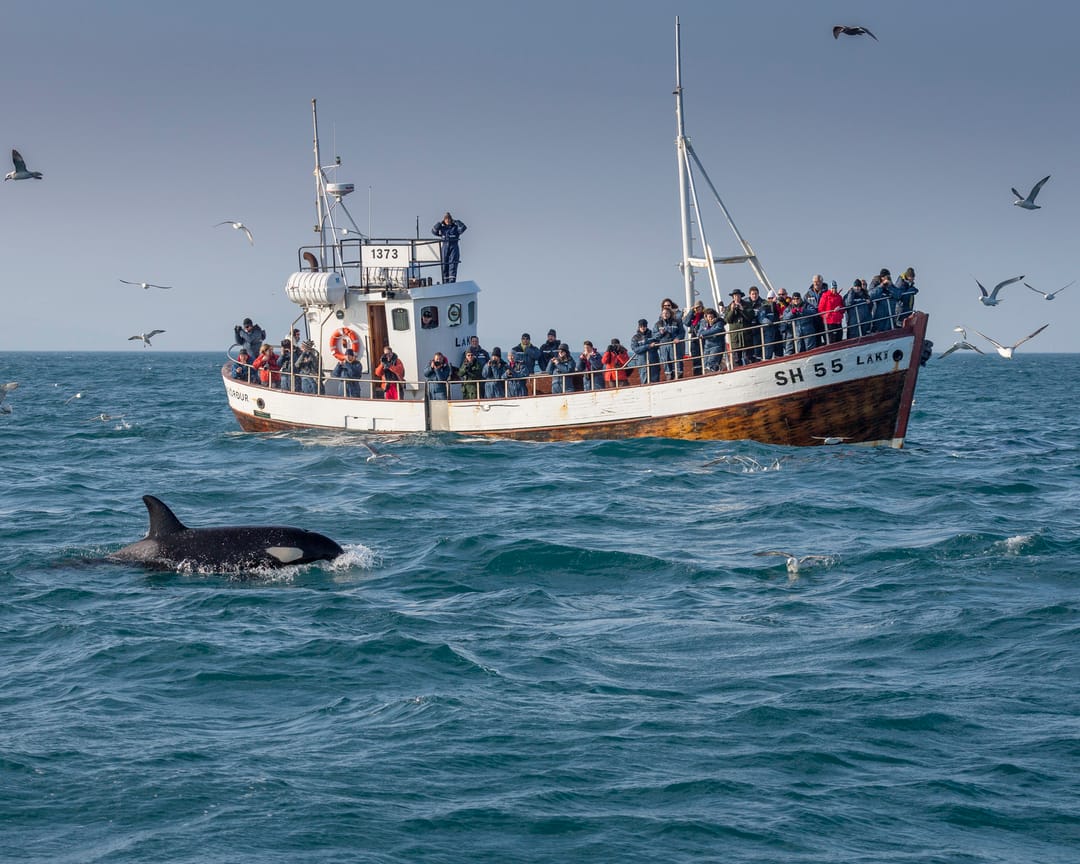
While North Iceland is often considered the top whale-watching destination, Reykjavík offers a convenient and rewarding summer alternative. August is one of the best months for a whale-watching tour in Faxaflói Bay, as nutrient-rich waters attract marine life.
It’s one of the top family-friendly things to do in Reykjavík in August, with tours departing from the historic Old Harbour. From the deck, passengers frequently spot humpback whales, minke whales, and white-beaked dolphins. Plus, the average temperature and favorable conditions in August make these three-hour boat trips more accessible for all travelers.
8. Catch the Last of the Nesting Puffins
Hoping to encounter the adorable Atlantic puffins in the wild? August offers one of the last opportunities to see them before they return to the open ocean for winter. Iceland’s largest colonies are found in the Westfjords, North Iceland, and along the South Coast. However, visitors based in Reykjavík can still spot them on nearby islands. Short boat tours to places like Akurey take travelers to active nesting sites, where puffins are typically visible into mid-August.
If you miss the puffin season, Reykjavík’s Perlan museum features a detailed Látrabjarg cliff exhibit inspired by the Westfjords site. The realistic reconstruction lets visitors take a close look at Iceland’s seabird habitats.
9. Try Spotting the First Northern Lights of the Season
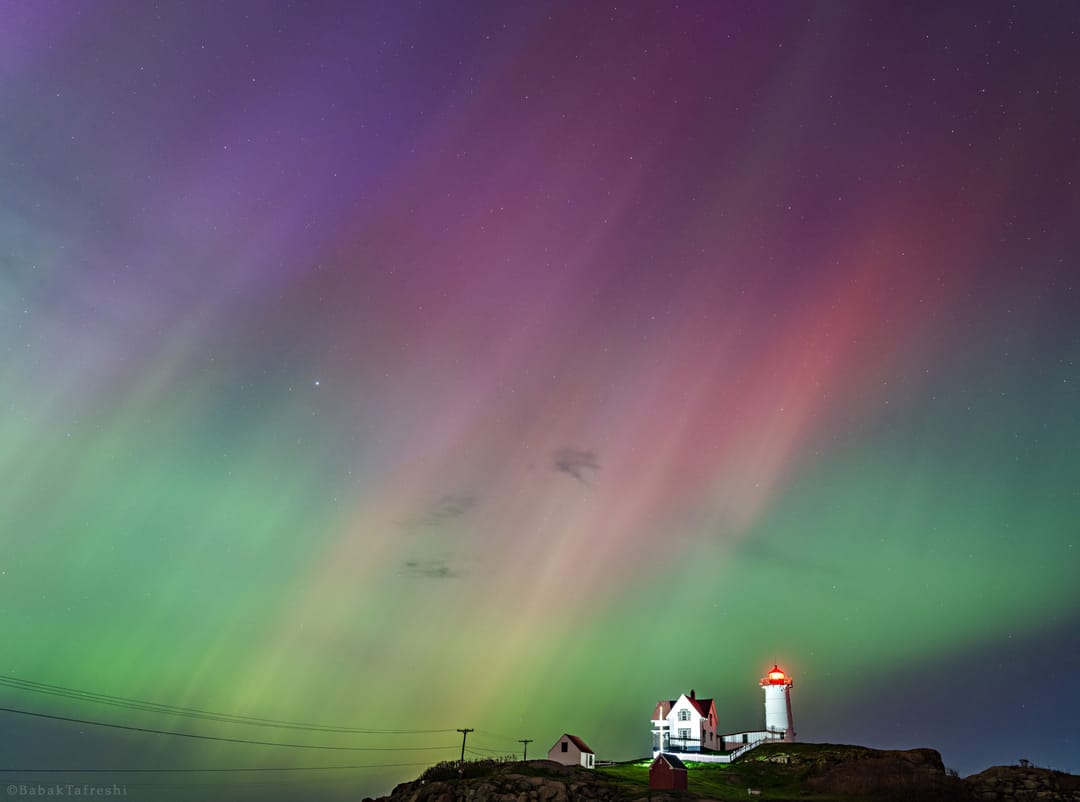
As darkness gradually returns in late August, it becomes possible to catch the Northern Lights in Iceland once more. Clear skies and strong solar activity are essential, though; sightings at this time of year remain relatively rare.
A successful trip to spot the Northern Lights also requires the right spot. For the best chances near Reykjavík, head to areas with minimal light pollution. Grótta Lighthouse, at the tip of the Seltjarnarnes peninsula, is a popular spot within easy reach of the city. Alternatively, a short drive to Heiðmörk Nature Reserve or Lake Kleifarvatn offers darker skies and wider horizons for aurora viewing.
10. Travel South for White Water Rafting on the Hvíta River
Located in South Iceland, the Hvíta River flows from Langjökull, Iceland’s second-largest glacier. In August, increased glacial runoff creates ideal conditions for guided rafting tours, with a mix of gentle stretches and lively rapids. Rafting bases are located within a two-hour drive of Reykjavík, and many operators offer convenient pickup and drop-off from the city.
River rafting is an excellent addition to any bucket list of things to do in Reykjavík in August. But before hitting the rapids, spend some time in Perlan's Water in Icelandic Nature exhibit. This interactive display explains how the country’s glaciers form the vital freshwater systems you will navigate on the river.
11. Journey Along the South Coast on a Day Trip
The South Coast is one of Iceland’s most popular regions for a road trip, home to some of the country’s most iconic natural wonders. Its accessibility makes it a favorite for a self-drive tour from Reykjavík.
Following the Ring Road east, a day trip allows visitors to reach several highlights, including the Seljalandsfoss and Skógafoss waterfalls. With long daylight hours and largely pleasant summer conditions, August is an ideal time to explore this stretch of coastline.
It is technically possible to drive as far as the Jökulsárlón Glacier Lagoon in a single day. However, the journey takes around five hours each way and is best enjoyed as part of an overnight or multi-day trip.
What to Wear in Reykjavík in August
August is one of the warmer months in Iceland. Still, it’s best to dress in layers to stay comfortable amidst the city’s unpredictable maritime climate. As the temperature and weather change throughout the day, you can slip in and out of these layers easily while exploring.
- Base Layer: Start with a moisture-wicking base, such as merino wool or a synthetic fabric. Avoid cotton, which traps moisture and can feel cold when damp.
- Mid-Layer: Add a warm layer like fleece or traditional Icelandic lopapeysa for insulation during cooler mornings and evenings.
- Outer Shell: Finally, a waterproof and windproof jacket with a hood is essential. Pair it with water-resistant pants or comfortable trousers for added protection against rain and wind.
In addition, wear comfortable walking shoes suitable for paved streets and occasional uneven surfaces. A beanie and gloves are also worth tucking in your bag, even in summertime.
Making the Most of August in Reykjavík
Truly, August offers a wonderful window to experience the best of Iceland’s capital. Between vibrant festivals and long summer days that gradually give way to darker evenings, the city feels especially lively. Whether you’re drawn to cultural events, outdoor adventures, or wildlife encounters, there’s no shortage of things to do in Reykjavík in August.
FAQs
Is August a good time to visit Reykjavík?
Mild weather, long days, and a wide range of activities in Reykjavík in August make it an excellent time for a visit. Keep in mind that it’s peak tourist season, so popular attractions can be crowded.
What's on in Reykjavík in August?
August is one of the liveliest months in Reykjavík, featuring major events like Reykjavík Pride, Culture Night, and Reykjavík Marathon. It’s also an excellent time for whale watching and enjoying the city’s geothermal pools.
How much darkness is in Iceland in August?
At the start of August, Reykjavík experiences long daylight hours with only brief twilight at night. By the end of the month, nights grow noticeably darker, with several hours of true darkness returning.
Can I see the Northern Lights in Reykjavík in August?
Early August still has bright evenings, but by the end of the month, darker nights return. While sightings are rare, it may be possible to catch the first Northern Lights on clear nights towards the end of August.
How to dress in Iceland in August?
Temperatures in Iceland in August tend to hover between 10°C–15°C (50°F–59°F). Pack layers so you can adjust to changing conditions, along with a waterproof jacket for rain and wind.
Is Iceland snowy in August?
Snow is very rare in August, with precipitation typically falling as rain across the lowlands. You may encounter snow only at higher elevations or on glacier tours.
Popular articles
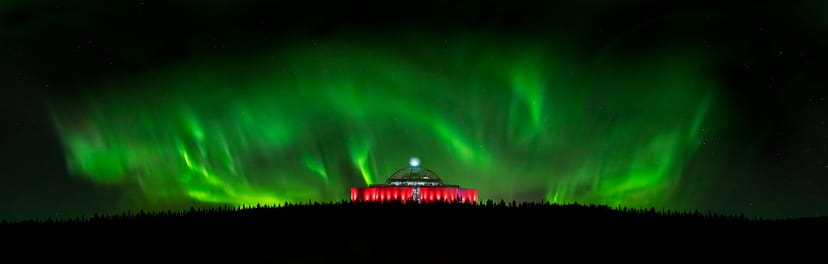
The Complete Guide to the Northern Lights in Iceland
Learn how the Northern Lights form, where to see them in Iceland, how to prepare, take photos, read the forecast, and improve your chances of a sighting.
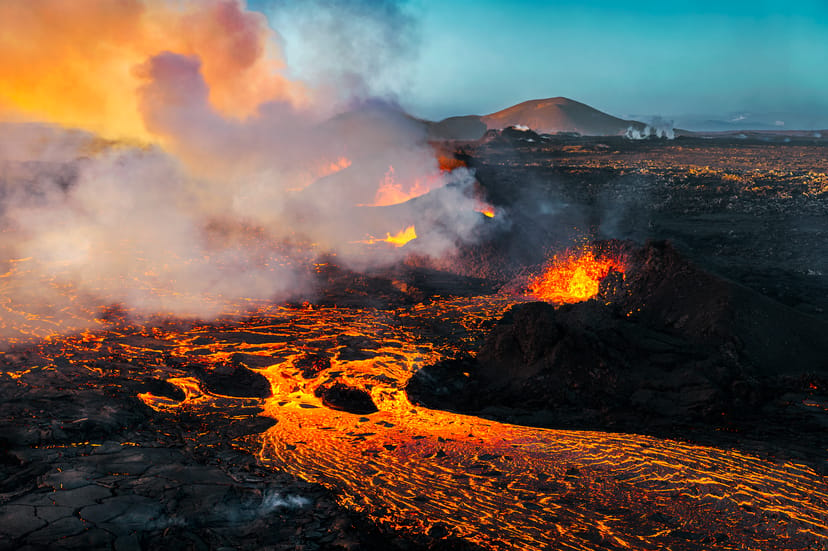
Let's Talk About the Volcano in Iceland About to Erupt
Is a volcano in Iceland about to erupt? Here’s what travelers should know about Svartsengi, Reykjanes activity, flights, safety, and the Blue Lagoon.
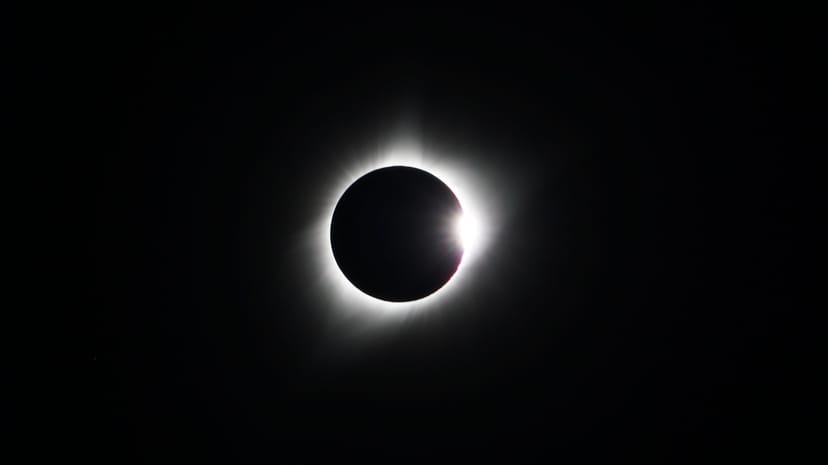
Solar Eclipse 2026 in Iceland | What Happened
Iceland experienced a total solar eclipse on August 12, 2026. Discover what happened in Reykjavík, eclipse times, totality locations and more.
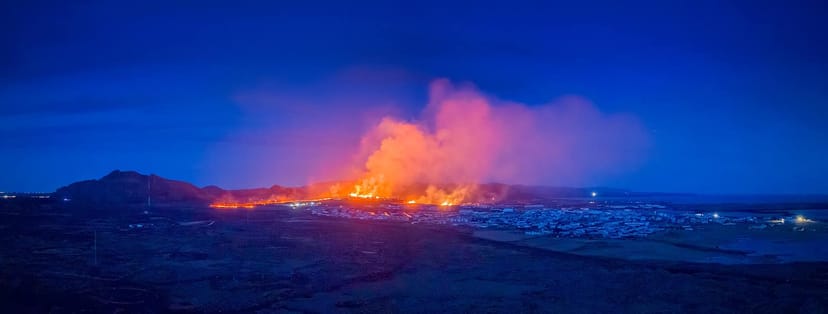
September 2026 updates on the Sundhnúkagígar Eruption in the Reykjanes Peninsula!
The current eruption in the Reykjanes Peninsula, is called Sundhnúkagígar Crater Row. See insights on the seismic activity and volcanic eruptions in the area!
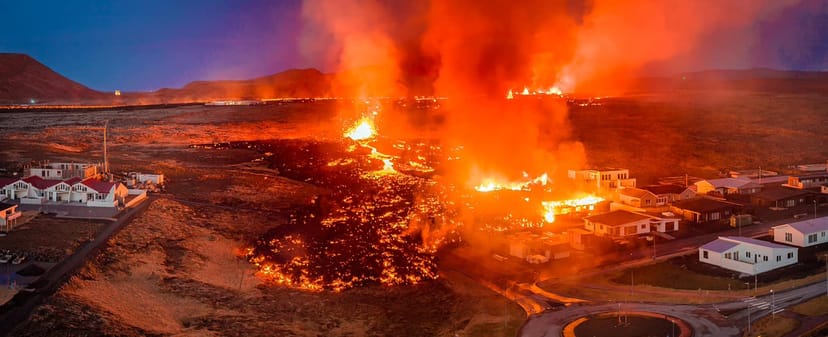
Active Volcanoes in Iceland 2026
Active volcanoes aren't the same thing as active eruptions. A volcano can be considered active even when it is not ejecting ash, rock, gases and magma, so which are active in Iceland in 2026?
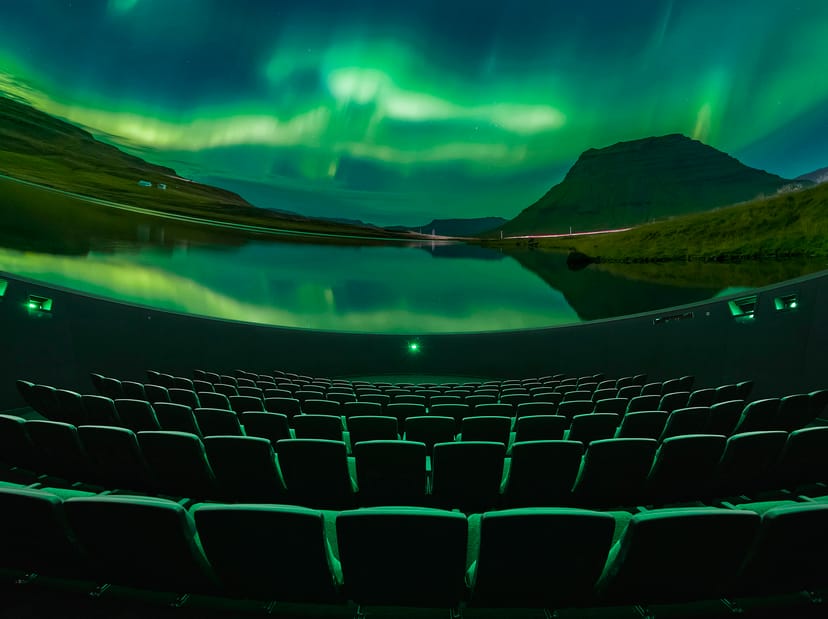
Top 10 Places To See the Northern Lights in Iceland
Discover the best places to see the Northern Lights in Iceland, from Jökulsárlón and Kirkjufell to Reykjavík, Þingvellir and North Iceland.
Ice Caves From Reykjavik
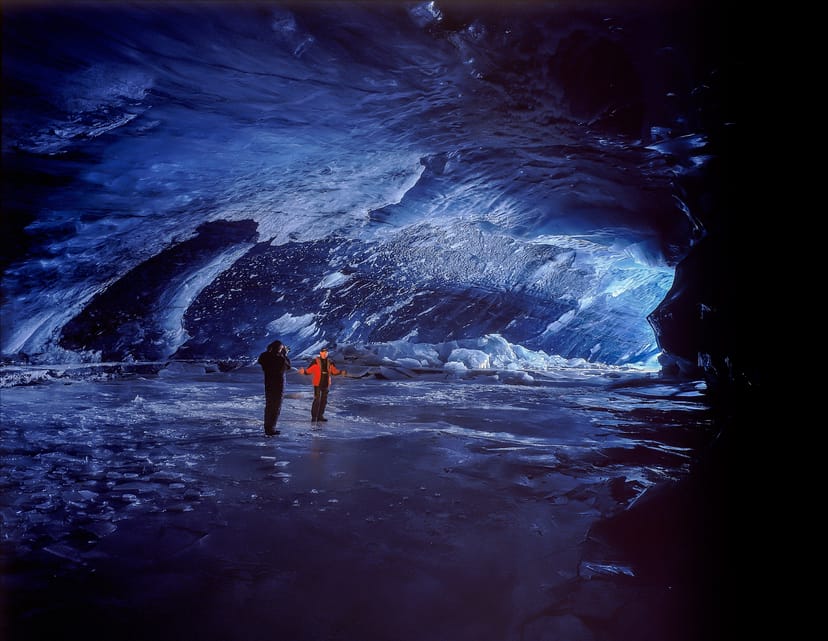
Planning an ice cave trip from Reykjavik? Compare Katla, Langjökull and Vatnajökull, travel times, seasons and Perlan’s ice cave in the city.