
Guide to Skógafoss Waterfall in Iceland
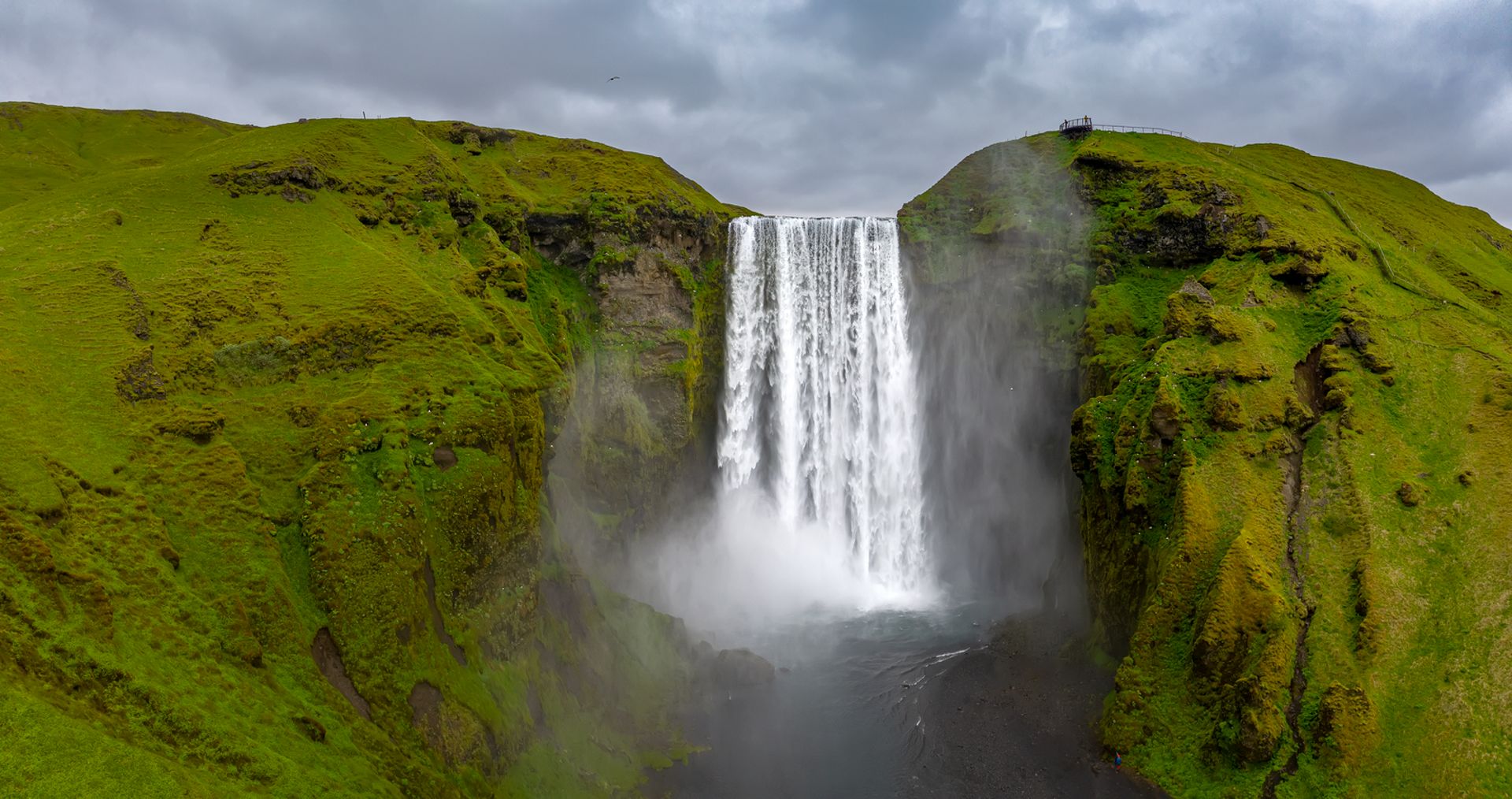
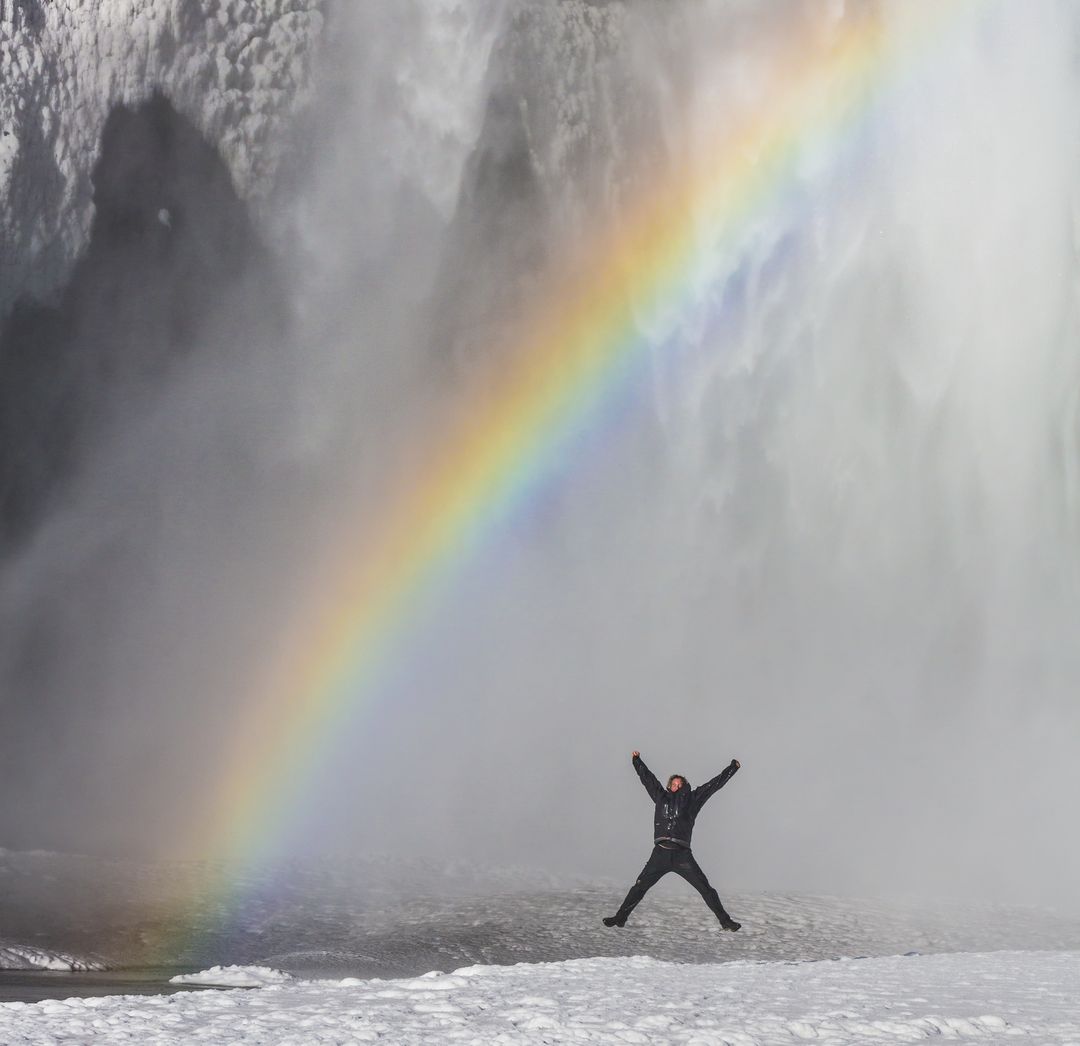
Located on the Skógá River, Skógafoss Waterfall is one of the most iconic attractions on Iceland’s South Coast. The broad curtain of water plunges over a moss-covered cliff that once marked the island’s ancient coastline. Dropping 60 meters (197 feet) into the river below, the waterfall generates a constant veil of mist. On sunny days, travelers can even glimpse rainbows in the air. It is one of the most breathtaking waterfalls in Iceland, a natural landmark that lives up to its fame.
How to Get to Skógafoss Waterfall
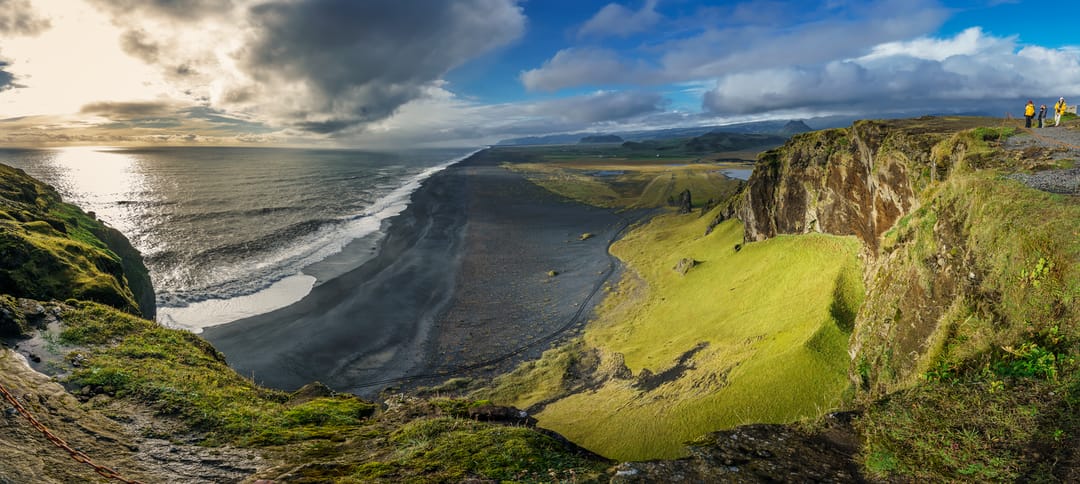
Skógafoss is one of the easiest waterfalls to visit on Iceland’s South Coast. Located just off Iceland’s Ring Road (Route 1), it’s so near the highway that its misty plume is visible as you approach.
For travelers renting a car, the 150-kilometer (93-mile) drive from Reykjavík is scenic and straightforward. Simply leave the capital heading east on Route 1 and continue along the main highway. Roughly 25 minutes after passing the neighboring Seljalandsfoss waterfall, you will see clear signs for Skógar and Skógafoss. Turn left onto Skógavegur, which leads directly to the falls.
The journey typically takes around 2 to 2.5 hours, depending on road and weather conditions. A large paid parking lot lies right at the base of the falls.
For those who prefer not to drive, Skógafoss is a staple stop on guided South Coast day tours from Reykjavík.
What to See and Do at Skógafoss
Thanks to the flat, open terrain at the base of Skógafoss Waterfall, visitors can walk right up to the edge of the plunge pool. As you approach, the waterfall’s thunderous roar grows louder, while the heavy mist creates a near-constant splash zone. The result is a cinematic atmosphere that’s perfect for photography.
To capture the classic shot of a person dwarfed by the waterfall’s immense scale, visit in the early morning or late evening. During these hours, the softer light is ideal for photography, and the crowds are often smaller. Be prepared for the spray, though. Bring a microfiber cloth for your camera lens, and store gear in a waterproof cover.
If you visit during the summer months, look up at the sheer cliffs flanking the water. The steep, green slopes provide nesting habitat for seabirds, including northern fulmars. Seabirds are occasionally seen darting in and out of the mist, riding the updrafts generated by the waterfall.
Climbing the Stairs to the Observation Deck
For a completely different perspective, head to the waterfall’s right side, where a steel staircase cuts into the hillside. Note that the climb is a steep, heart-pumping workout, with roughly 370 steps. It’s only about 10 to 15 minutes of steady climbing, but it can be a tiring ascent.
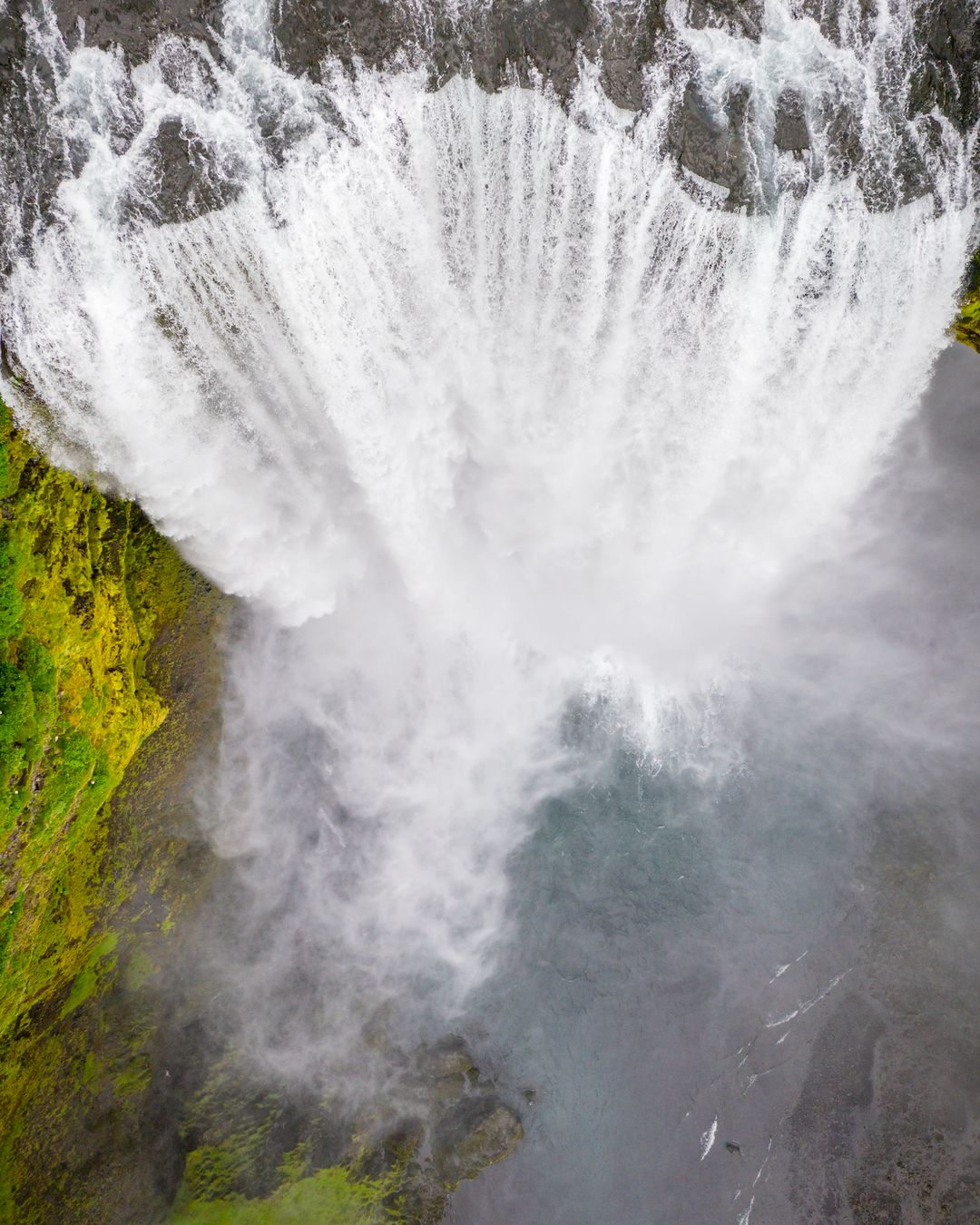
At the summit, a metal observation platform overlooks the canyon and the Skógá River. From here, you can look straight down into the mouth of the falls and enjoy panoramic views towards the Atlantic coastline.
Tip: Exercise caution as you climb. The stairs can become slippery from waterfall spray, rain, or seasonal ice. Hold the handrails when needed, pace yourself on the ascent, and use the wider landings to let faster climbers pass.
Hiking Beyond Skógafoss: The Waterfall Way
The viewing platform at the top of the stairs marks the beginning of the Skógá River Trail, widely known as the Waterfall Way. This scenic path traces the canyon upstream and serves as the opening leg of the legendary 25-kilometer (15-mile) Fimmvörðuháls Trail to Þórsmörk.
The path winds along the canyon rim past basalt cliffs, but its greatest draw is the seemingly endless succession of waterfalls. More than 20 cascades can be seen along the route, each with its own distinct character.
Fortunately, you do not need to commit to the full, multi-day hike to enjoy the experience. The Waterfall Way works perfectly as an out-and-back trail, allowing visitors to turn around whenever they choose.
Many travelers hike to a footbridge spanning the river roughly 8 kilometers (5 miles) upstream. Returning from this point creates a 16-kilometer (10-mile) round-trip hike that typically takes four to six hours. Not keen on a long excursion? It’s fine to simply walk for 30 minutes, just to soak in nature and the first few cascades.
The Geology and Origin of Skógafoss
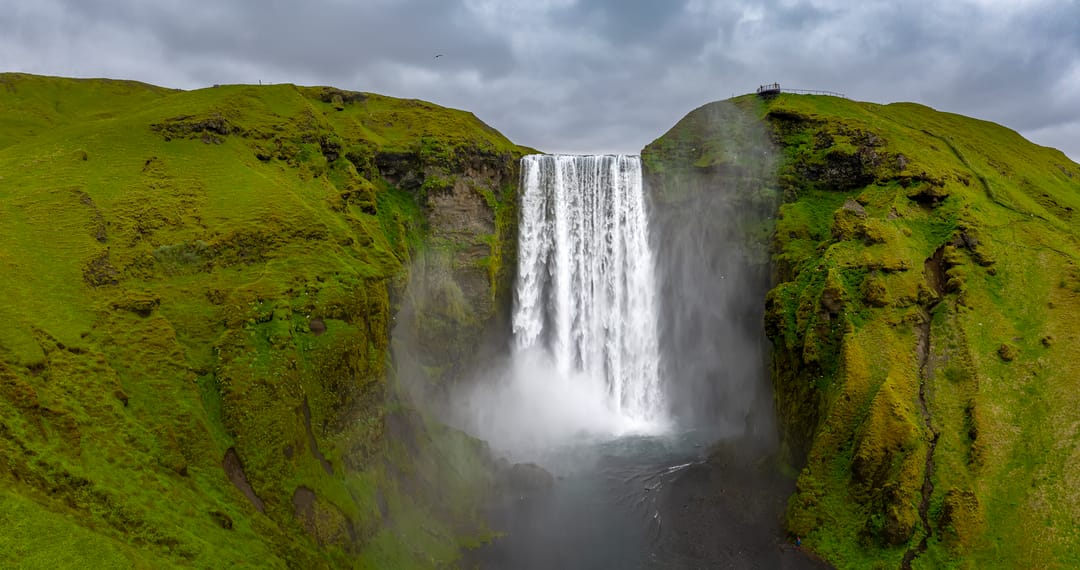
Skógafoss owes its immense drop to Iceland’s shifting coastline. Thousands of years ago, glaciers covered much of the island, and the immense weight of the ice depressed the land. At the same time, the coastline lay much farther inland, near the cliffs that now rise above the South Coast’s broad lowlands.
As the glaciers melted and retreated, the land gradually rebounded and rose. Over time, the coastline shifted roughly 5 kilometers (3 miles) south, leaving behind a line of former sea cliffs. Today, this geological boundary separates the flat coastal plain from the rugged terrain farther inland.
The Skógá River flows across this landscape before plunging over these ancient sea cliffs, creating the waterfall seen today.
To see how these powerful forces continue to shape the island, you can explore the Water in Icelandic Nature exhibition at Perlan. This interactive exhibition uses cutting-edge multimedia technology to showcase the role freshwater plays in carving Iceland's dramatic landscapes.
The Legend of the Hidden Treasure
Beyond its sheer beauty, Skógafoss Waterfall is also steeped in early Icelandic folklore. Local legend says the area's first Viking settler, Þrasi Þórólfsson, hid a treasure chest in a cave behind the waterfall. The chest, filled with gold and other treasures, is said to have remained hidden there since the Viking Age.
Folktales tell of locals who spotted the chest through the curtain of water, attempting to pull it free. As they tugged on the ring on its side, the chest slipped away, disappearing underwater. The locals, as it is, were left only with the ring itself.
According to local tradition, the ring was later placed on the door of the church at nearby Skógar. Today, an iron ring said to be connected to the legend is displayed at the Skógar Museum.
Best Time to Visit the Waterfall
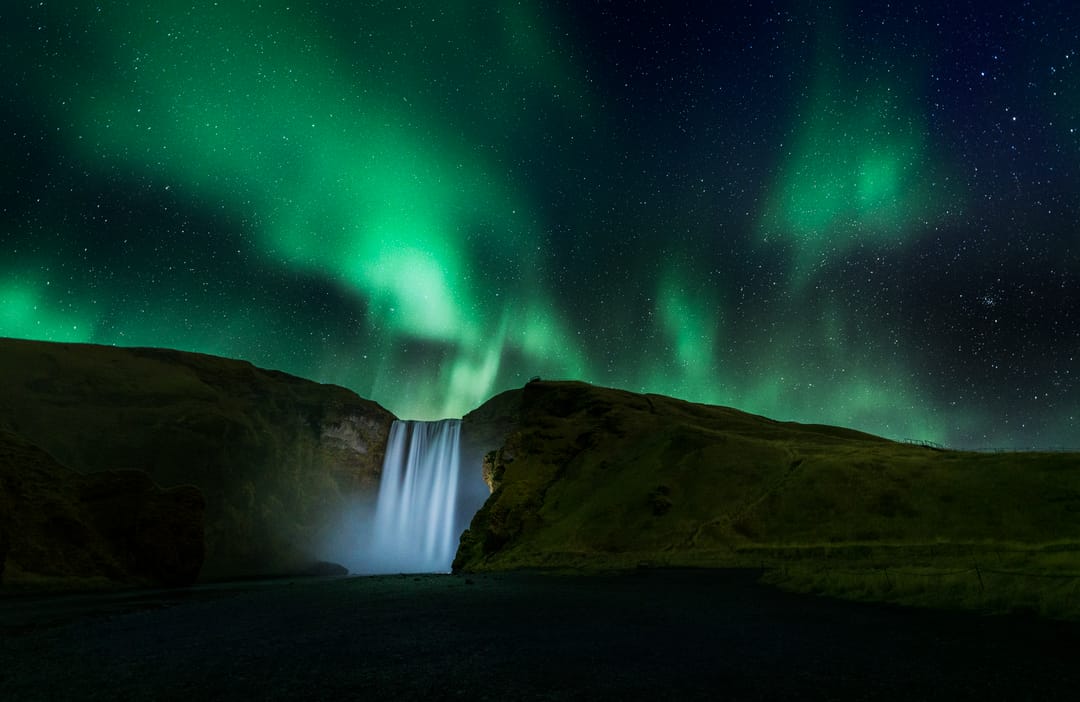
Skógafoss Waterfall is accessible year-round, but your experience changes depending on the season and the clock.
- Summer (June to August): Offers mild weather, lush green landscapes, extended daylight hours, and excellent hiking conditions along the Skógá River Trail.
- Winter (November to April): Transforms the surrounding cliffs into dramatic icy formations and often brings fewer crowds. While a 4WD vehicle can be helpful during winter travel in Iceland, road conditions vary significantly. Visitors should always monitor weather forecasts and road closures before setting out.
- Time of Day: Arrive before 9 am or after 6 pm to beat the biggest crowds and enjoy unobstructed views and better lighting for photography.
Essential Tips for Visiting Skógafoss Waterfall
- Pack Waterproof Gear: The waterfall creates a massive splash zone. Heavy-duty rain jackets, waterproof pants, and a protective sleeve for your gear are essential if you walk near the base.
- Mind the Steps: The staircase to the observation deck consists of over 370 steps, which can become incredibly slick from mist or winter ice. Hold the handrails and pace yourself to stay safe.
- Pay for Parking: Expect a standard fee for passenger vehicles at the gravel lot.
- Respect Drone Restrictions: Skógafoss lies within a protected natural area where drone flights are restricted and generally require special permission from Icelandic authorities. Always check current regulations before flying.
- Stay on the Path: Stick strictly to marked trails and viewing platforms to protect Iceland's fragile volcanic soil and moss.
Other Nearby Attractions
If you’re driving all the way to Skógafoss Waterfall, then you might as well see what else is around. The waterfall is centrally located along the South Coast, making it easy to pair with other iconic landmarks right off the Ring Road.
- Skógar Folk Museum: Located less than a kilometer from the waterfall, this extensive cultural heritage site features historic turf houses and an open-air museum. And of course, here you’ll see the original church ring from the legend of Þrasi’s gold.
- Seljalandsfoss: Situated 30 kilometers (18.6 miles) west of Reykjavík, this is often paired with Skógafoss Waterfall as two of the most iconic South Coast waterfalls. It is best known for the footpath that allows visitors to walk entirely behind the cascading sheet of water.
- Sólheimajökull Glacier: Located about 12 kilometers (7.5 miles) east of Skógafoss via Road 221, this striking glacier tongue can be reached by a relatively short walk from the parking area. Visitors are rewarded with views of a glacial lagoon and the glacier’s rugged ice formations. Guided glacier hikes also operate here.
FAQs
Yes, its immense scale and easy accessibility from the Ring Road make it one of the South Coast’s most popular attractions. The ability to walk right up to the base of the waterfall is another major draw for visitors.
Geologically, Skógafoss plunges over ancient sea cliffs left behind as Iceland’s coastline shifted southward after the last Ice Age. In local folklore, the waterfall is said to conceal a chest of Viking gold hidden by the settler Þrasi Þórólfsson.
There is no entrance fee to visit Skógafoss. However, visitors should expect to pay a parking fee at the site.
It is situated on the Skógá River along Iceland’s South Coast, just off Route 1 (the Ring Road). Skógafoss lies near the small village of Skógar, about 2 to 2.5 hours east of Reykjavík.
There are around 370 steps on the steel staircase leading to the viewing platform above Skógafoss. The climb typically takes 10 to 15 minutes and rewards visitors with panoramic views of the waterfall, river, and surrounding landscape.
Popular articles
The Complete Guide to the Northern Lights in Iceland
Learn how the Northern Lights form, where to see them in Iceland, how to prepare, take photos, read the forecast, and improve your chances of a sighting.
Let's Talk About the Volcano in Iceland About to Erupt
Is a volcano in Iceland about to erupt? Here’s what travelers should know about Svartsengi, Reykjanes activity, flights, safety, and the Blue Lagoon.

Solar Eclipse 2026 in Iceland | What Happened
Iceland experienced a total solar eclipse on August 12, 2026. Discover what happened in Reykjavík, eclipse times, totality locations and more.
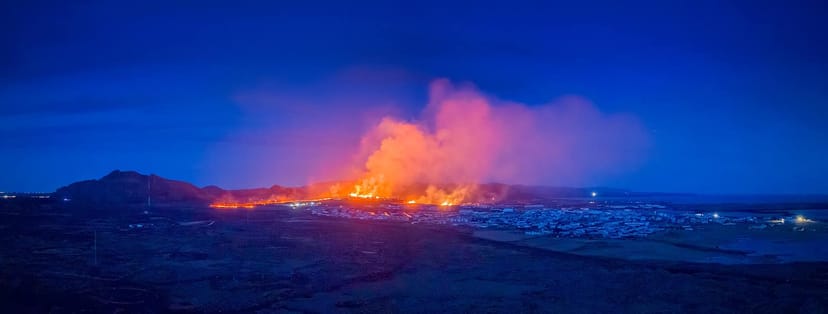
September 2026 updates on the Sundhnúkagígar Eruption in the Reykjanes Peninsula!
The current eruption in the Reykjanes Peninsula, is called Sundhnúkagígar Crater Row. See insights on the seismic activity and volcanic eruptions in the area!
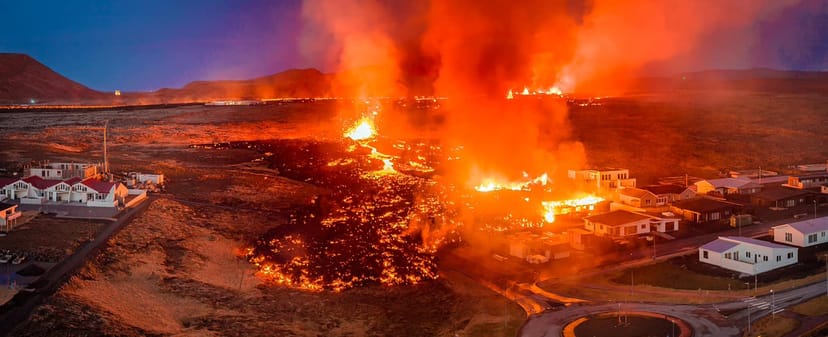
Active Volcanoes in Iceland 2026
Active volcanoes aren't the same thing as active eruptions. A volcano can be considered active even when it is not ejecting ash, rock, gases and magma, so which are active in Iceland in 2026?
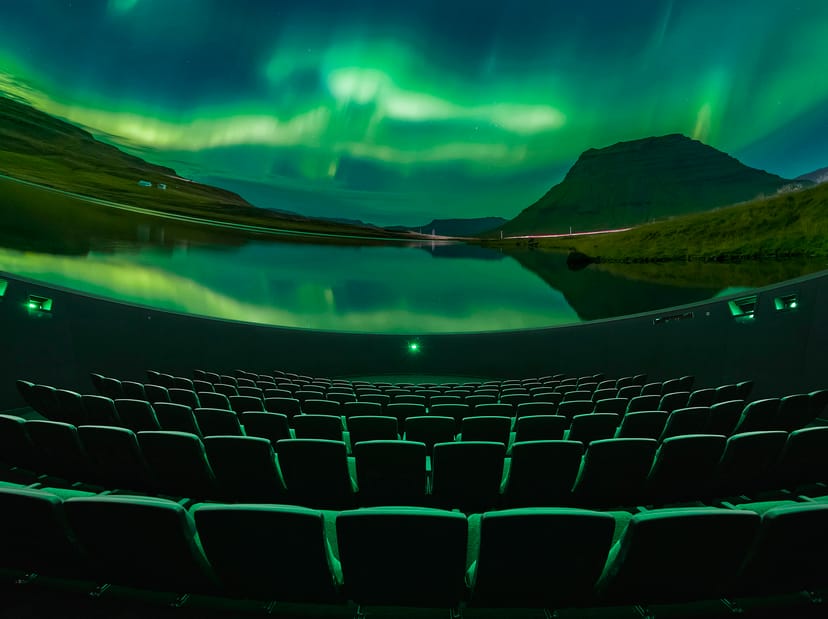
Top 10 Places To See the Northern Lights in Iceland
Discover the best places to see the Northern Lights in Iceland, from Jökulsárlón and Kirkjufell to Reykjavík, Þingvellir and North Iceland.
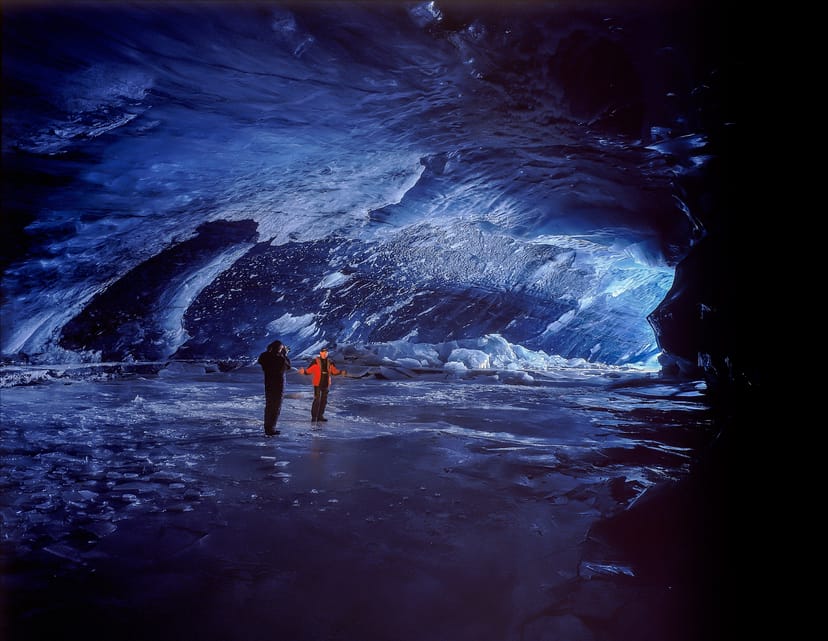
Ice Caves From Reykjavik
Planning an ice cave trip from Reykjavik? Compare Katla, Langjökull and Vatnajökull, travel times, seasons and Perlan’s ice cave in the city.