
Seeing the Northern Lights With Kids in Iceland
See the Northern Lights with kids in Iceland with practical advice on timing, clothing, forecasts, family tours, and keeping children comfortable.
The best family aurora outing is often a short, well-timed one rather than a long night waiting outside. The Northern Lights can become one of the highlights of a family trip to Iceland. However, seeing them requires patience and suitable weather. That combination can be difficult with tired or cold children.
Parents can make the experience much easier by choosing suitable viewing times, dressing properly, and checking conditions before leaving.
When Can Families See the Northern Lights in Iceland?
The Northern Lights can be visible from late August into early April. Aurora activity happens throughout the year, but Iceland's bright summer nights prevent useful viewing.
December and January provide long periods of darkness. However, long nights do not guarantee clear skies or strong aurora activity. September, October, February and March can also work well for families. These months provide plenty of darkness without requiring a midwinter visit.
The best time to see the Northern Lights in Iceland depends on three main factors. You need darkness, sufficiently clear skies, and enough aurora activity. For families, timing within the evening matters too. An earlier display can be much easier with young children.
Check the Forecast Before Waking the Kids
Avoid heading outside simply because the night looks dark. Cloud cover can completely block the Northern Lights, even when solar activity is strong. Check the Northern Lights forecast before deciding whether an outing makes sense.
A modest aurora forecast under clear skies can be more useful than strong activity beneath thick clouds. Conditions can also change during the evening. If the forecast looks poor, keeping children awake for several extra hours rarely improves the experience. A flexible schedule is particularly helpful when staying in Iceland for several nights.
Where Should You See the Northern Lights With Children?
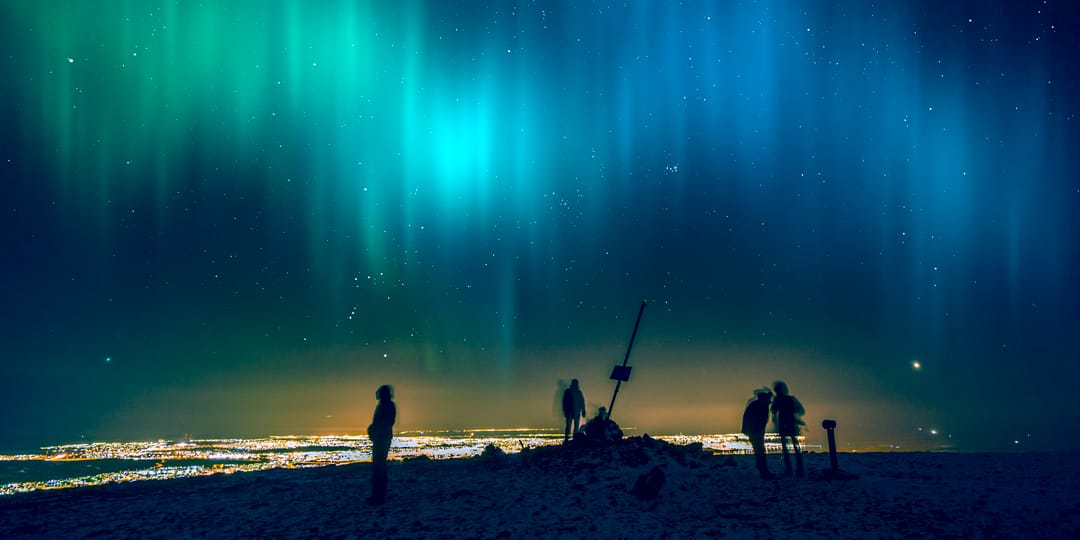
You do not always need a long drive into the Icelandic countryside. You can see the Northern Lights in Reykjavík when skies are clear. However, artificial lighting makes faint auroras harder to see. Open locations with fewer nearby lights generally provide better visibility. Perlan, Grótta and Reykjavík's waterfront can offer useful viewing opportunities within the capital.
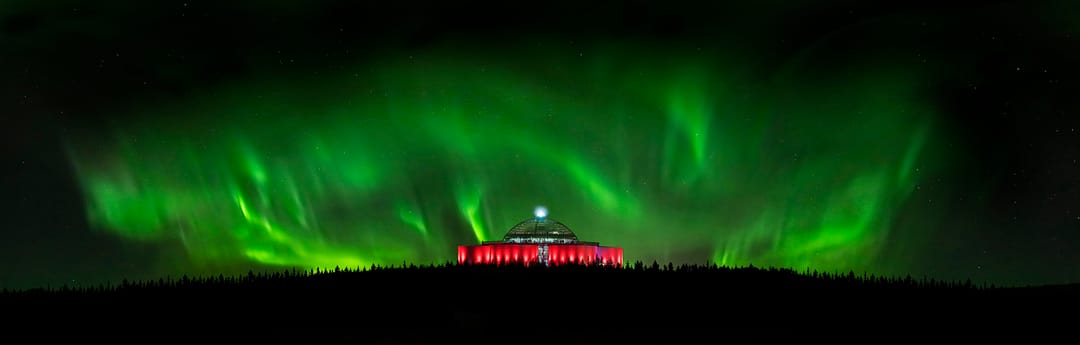
The best Northern Lights locations in Iceland also include darker places beyond Reykjavík. Travelling farther from the city can improve viewing conditions. However, longer drives may be tiring for younger children. Consider the journey home before choosing a remote location. A nearby viewing spot can sometimes be better than an ambitious excursion after a full sightseeing day.
Should Families Book a Northern Lights Tour?
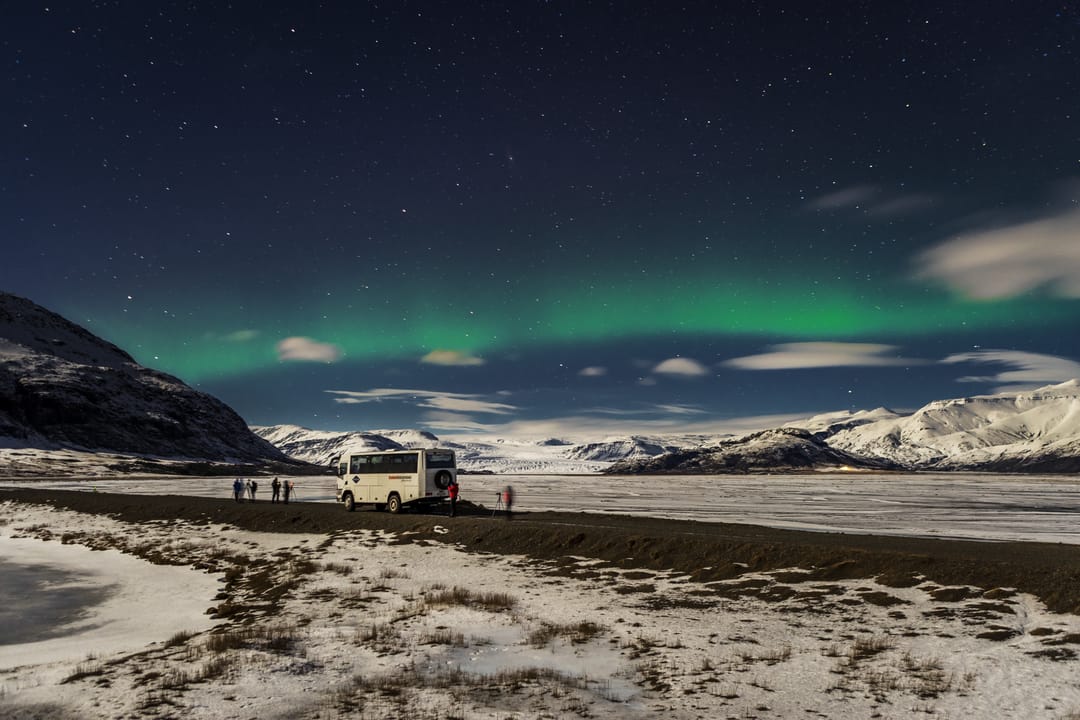
A guided Northern Lights tour can simplify the evening for parents. Guides monitor forecasts and choose viewing locations based on conditions.
However, not every tour suits younger children. Consider these factors before booking:
- Tour duration: Some tours involve several hours of driving and waiting outdoors. Choose a shorter option for younger children.
- Age restrictions: Minimum ages vary between operators. Check requirements before booking, particularly when travelling with toddlers.
- Departure times: Many tours leave late in the evening. Consider your child's usual bedtime and ability to stay awake.
- Cold weather: Children may struggle with long periods outdoors. Check whether the tour provides warm shelter or a heated vehicle.
- Flexibility: Private tours or self-driving allow families to return to their accommodation when children become tired.
- Safety: If self-driving, use designated parking areas and check road conditions. Never stop beside an unsafe road to photograph the aurora.
For families with younger children, a shorter, flexible outing may be more enjoyable than a lengthy guided tour.
Dress Children for Standing Still in Icelandic Weather
Aurora watching can feel colder than daytime sightseeing because you may remain stationary for long periods. Children can also become uncomfortable before adults notice the cold.
Make sure your children have the following clothing and essentials:
- Thermal base layers: Choose wool or synthetic thermal clothing to retain warmth and wick away moisture.
- Insulating middle layers: Fleece or wool jumpers provide extra warmth beneath outer clothing.
- Waterproof and windproof jackets: Protect children from Iceland's cold winds, rain, and snow.
- Warm trousers: Insulated or waterproof trousers help keep legs warm during long periods outdoors.
- Insulated waterproof boots: Pair sturdy boots with thick wool socks to keep feet warm and dry.
- Hats and mittens: Choose hats that cover the ears. Mittens often keep small hands warmer than thin gloves.
- Spare clothing: Pack extra socks and gloves in case the originals become wet.
- Warm drinks and snacks: Bring a flask of hot chocolate or another warm drink, plus water and simple snacks.
- Extra blankets: Keep a warm blanket in the car for children to use between viewing sessions.
The guide to what to wear for Northern Lights viewing provides additional clothing advice and equipment recommendations.
Make the Waiting Easier for Children
The hardest part of aurora hunting with children is often the waiting. The Northern Lights do not appear according to a visitor schedule. Explain this before leaving.
Children may otherwise expect a bright display immediately after arriving at a viewing location. Keep the first attempt relatively short. You can always stay longer if the aurora appears and everyone remains comfortable.
A nap earlier in the day may help older children manage a later evening. Avoid filling the same day with demanding excursions before a planned aurora search. Give children something to look for while waiting.
They can identify stars, watch moving clouds or compare the sky with the forecast. Older children may enjoy photographing the sky with a phone. Cameras can sometimes record colours that appear faint to human eyes. The colours of the Northern Lights depend on atmospheric gases, altitude and incoming solar particles. Green is the colour seen most often.
Why the Northern Lights Look Different in Person Than in Photos
Children may expect the sky to resemble vivid photographs seen online. Real auroras can look very different. A weak display may appear greyish, pale green, or almost white to the human eye.
Cameras collect light differently and can record stronger colours. Brighter displays can produce clearly visible greens and other colours. Set this expectation before your trip. It helps children appreciate a subtle aurora rather than waiting only for dramatic curtains across the entire sky. Movement can also be more noticeable than colour during weaker displays.
Learning About the Northern Lights at Perlan
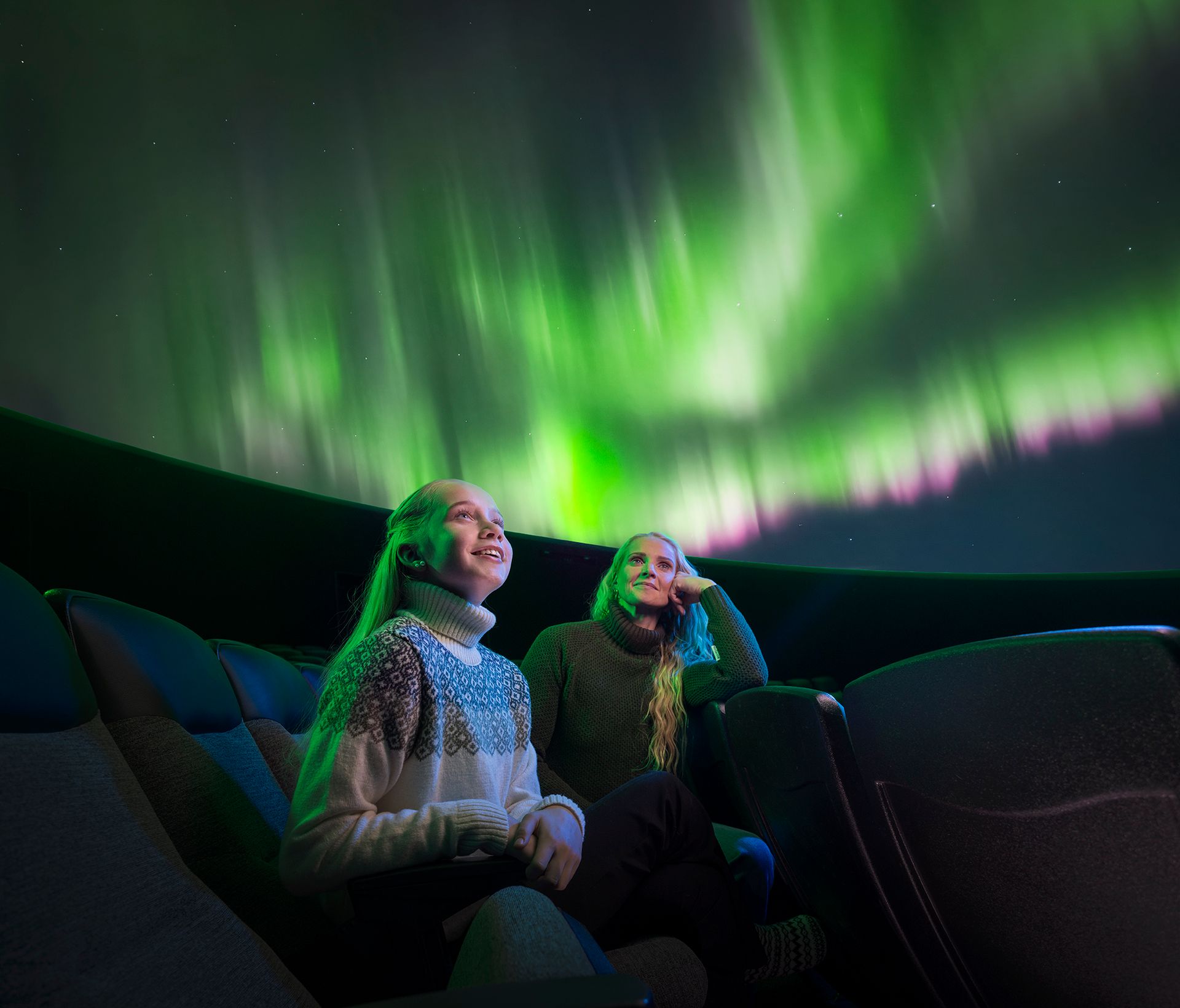
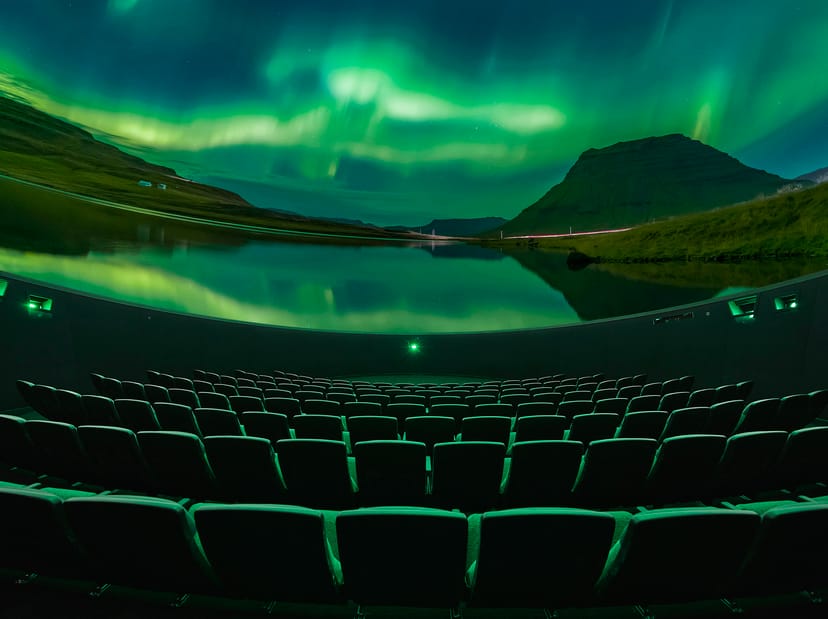
Families can learn how auroras form before heading outdoors at Perlan in Reykjavík. The Áróra Northern Lights Show is presented inside Iceland's only planetarium. The show uses an 8K projection system and surround sound. It combines aurora science with stories and visual interpretations of the phenomenon.
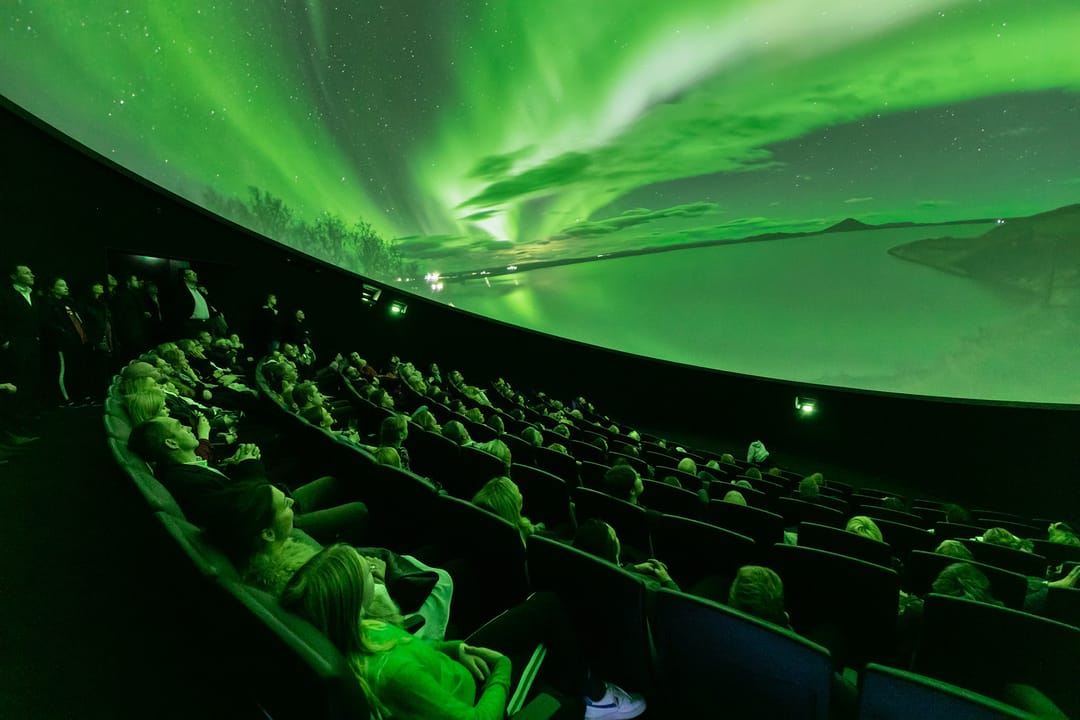
Áróra is a constructed planetarium experience. It is not a live Northern Lights sighting. That distinction can be useful for children learning what they should watch for outdoors. The show explains how charged solar particles interact with Earth's magnetic field and upper atmosphere.
Children can then connect those ideas with the sky during an outdoor search. Perlan also provides an indoor option when clouds prevent aurora viewing. This can be especially useful during a family trip with limited evenings in Reykjavík, or if you are unable to view them while visiting.
Keep Your Northern Lights Plans Flexible
Avoid building an entire Iceland itinerary around one specific evening. Weather changes quickly, and cloud cover can develop even when earlier forecasts looked promising. Check conditions each day and use the clearest evening available.
If you stay for several nights, treat each suitable forecast as another opportunity. The guide to the Northern Lights in Iceland explains viewing conditions, locations, and aurora science in more detail. Families should also protect children's sleep when conditions are poor. Missing one cloudy night is better than exhausting everyone before the next day's plans.
Final Tips for Seeing the Northern Lights With Kids
Seeing the Northern Lights with children requires more preparation than simply heading outside after dark. Warm clothing, realistic expectations, and careful forecast checks can make a significant difference. Choose manageable viewing locations and remain flexible about timing. Most importantly, treat the aurora as a natural event rather than a scheduled attraction.
FAQs
There is no specific minimum age for watching the Northern Lights outdoors. Consider bedtime, weather tolerance, and how comfortably your child can wait outside. Tour operators may set their own minimum ages.
There is no guaranteed best month. Late August through early April provides enough darkness, while weather and cloud cover determine each night's viewing conditions.
Children need warm layers and weatherproof outer clothing. Warm boots, socks, gloves, and hats are particularly important because aurora watching often involves standing still.
Not always. Faint auroras can appear less colourful to the human eye because cameras collect more light. Bright displays can still show vivid colours without a camera.
Popular articles
The Complete Guide to the Northern Lights in Iceland
Learn how the Northern Lights form, where to see them in Iceland, how to prepare, take photos, read the forecast, and improve your chances of a sighting.
Let's Talk About the Volcano in Iceland About to Erupt
Is a volcano in Iceland about to erupt? Here’s what travelers should know about Svartsengi, Reykjanes activity, flights, safety, and the Blue Lagoon.
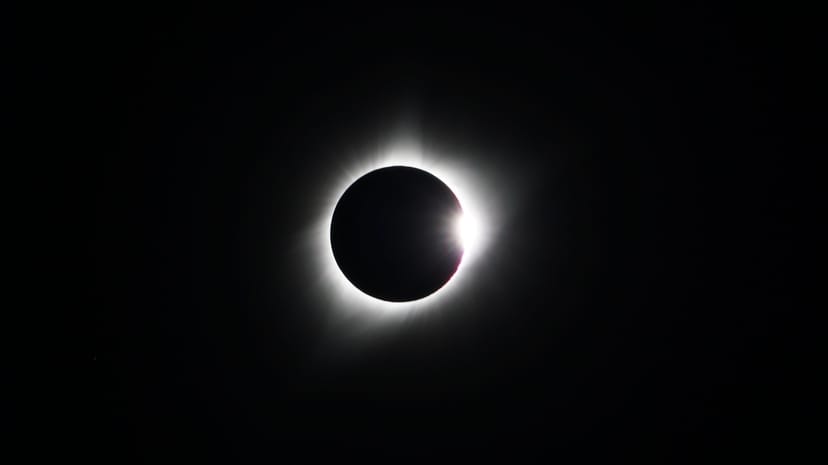
Solar Eclipse 2026 in Iceland | What Happened
Iceland experienced a total solar eclipse on August 12, 2026. Discover what happened in Reykjavík, eclipse times, totality locations and more.
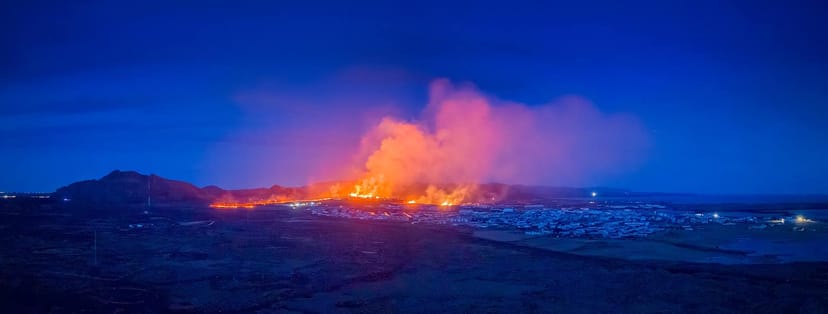
September 2026 updates on the Sundhnúkagígar Eruption in the Reykjanes Peninsula!
The current eruption in the Reykjanes Peninsula, is called Sundhnúkagígar Crater Row. See insights on the seismic activity and volcanic eruptions in the area!
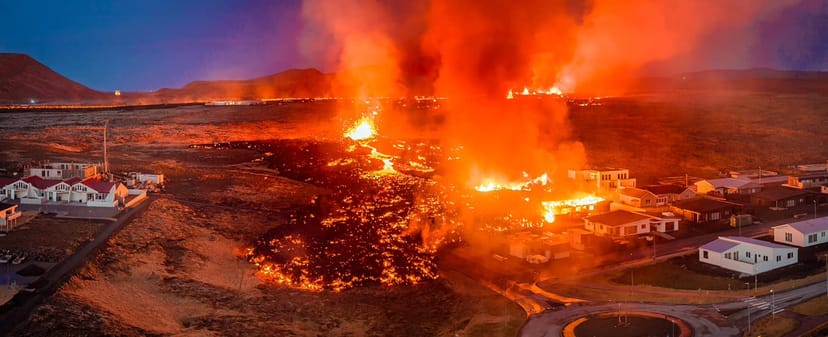
Active Volcanoes in Iceland 2026
Active volcanoes aren't the same thing as active eruptions. A volcano can be considered active even when it is not ejecting ash, rock, gases and magma, so which are active in Iceland in 2026?
Top 10 Places To See the Northern Lights in Iceland
Discover the best places to see the Northern Lights in Iceland, from Jökulsárlón and Kirkjufell to Reykjavík, Þingvellir and North Iceland.
Ice Caves From Reykjavik
Planning an ice cave trip from Reykjavik? Compare Katla, Langjökull and Vatnajökull, travel times, seasons and Perlan’s ice cave in the city.