
Guide to Icelandic Thyme
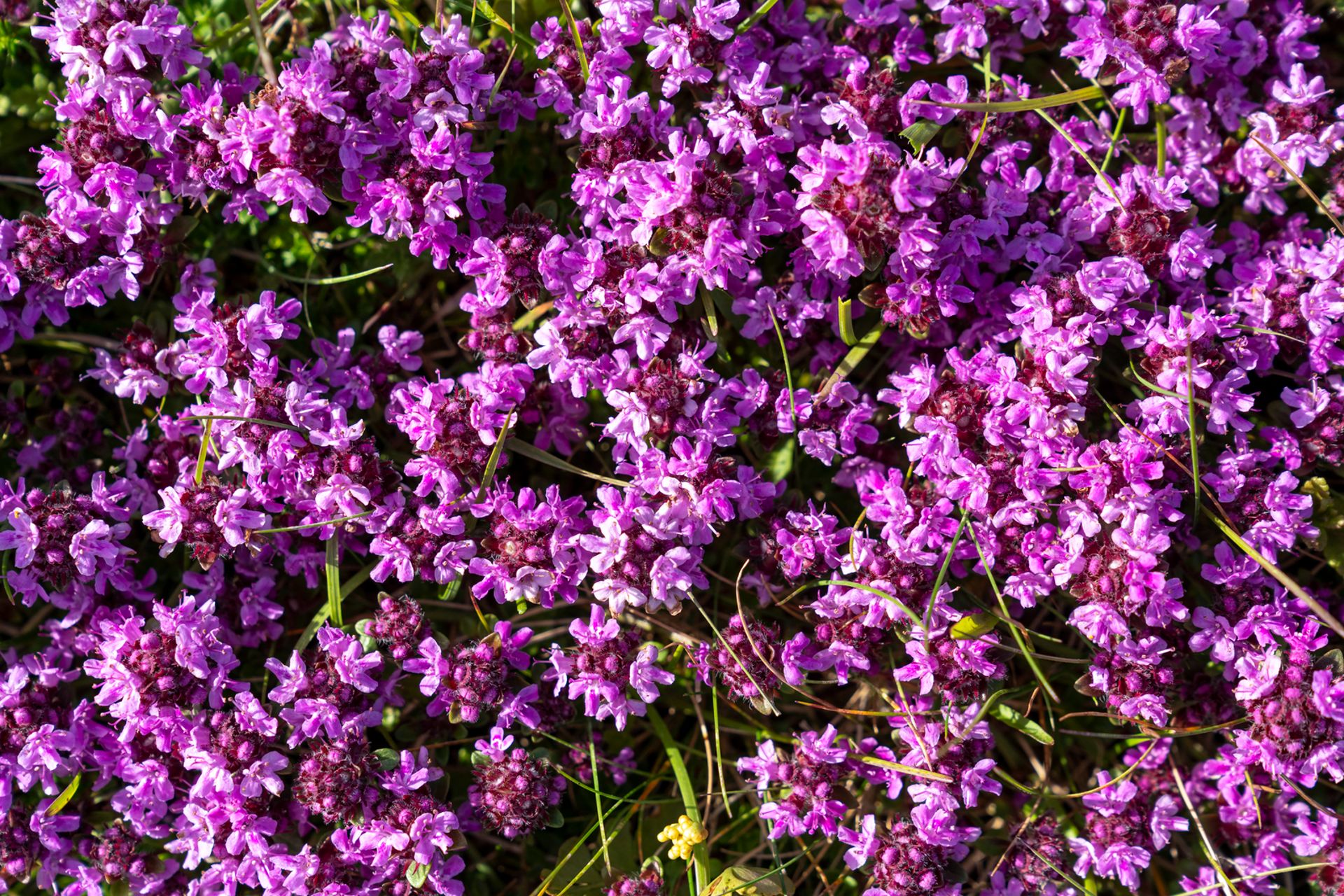
Come summer in Iceland, the country’s windswept lava fields give way to low carpets of violet blooms. This is Icelandic thyme, a resilient wild herb found across Iceland’s rugged terrain. Known locally as blóðberg, it releases a strong, aromatic scent that can surprise explorers on scenic hikes. Thriving where few plants can, Icelandic thyme is one of the widespread and recognizable plants of the Icelandic summer.
What Is Icelandic Thyme?
Icelandic thyme is a hardy wild herb that appears across volcanic landscapes, often forming low carpets of purple blooms in summer. It is commonly identified as Thymus praecox, a species well-adapted to northern climates.
“Icelandic thyme” is a common term used to distinguish it from more familiar culinary thyme varieties. While closely related, its aroma can vary slightly depending on its environment. This variety is often described as powerful and herbaceous. Locally, it is known as blóðberg (“blood rock”), a name often associated with the plant’s color.
Key Features of Thyme in Iceland
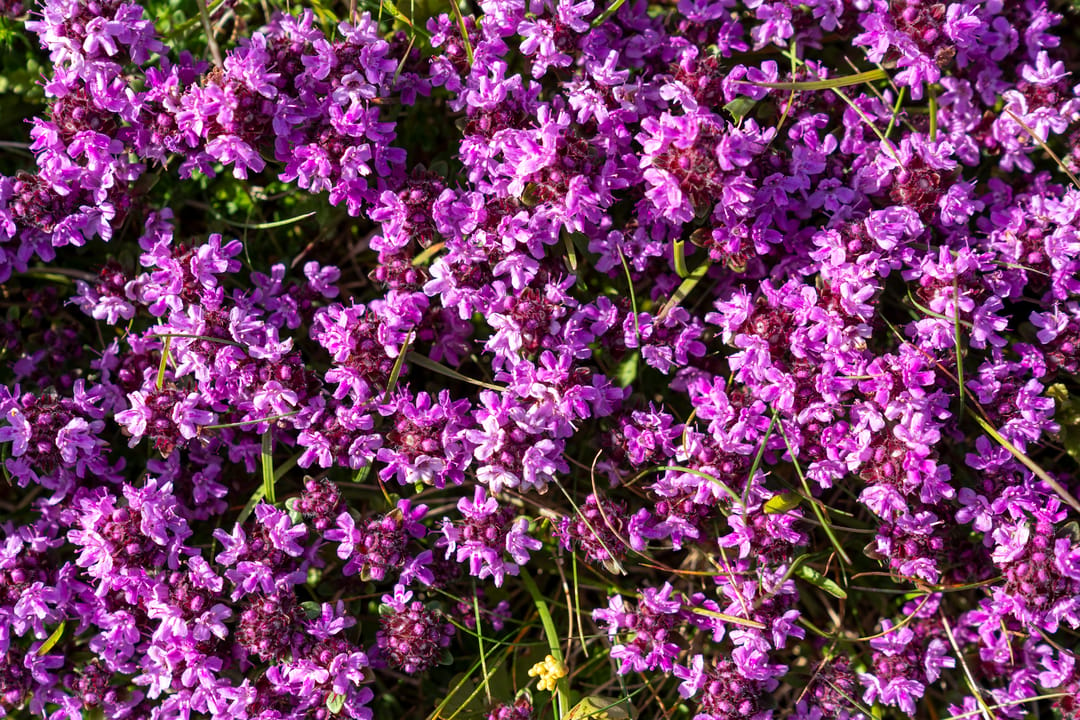
Wild thyme grows throughout the island, staying low to protect itself from the elements. Referred to as blóðberg in Icelandic, it belongs to the group of plants often referred to as “creeping thyme.” The name reflects the way it spreads horizontally across the ground. In summer, this resilient plant blooms with tiny purple flowers that add color to the volcanic expanse.
Like other thyme species, it is highly aromatic, with a strong, herbaceous scent. However, its fragrance can be slightly milder or more nuanced than that of common culinary thyme. Some people describe its subtle floral notes as pleasant and calming.
Blóðberg in History and Culture
Blóðberg has long been a part of Icelandic life. It has been used in herbal infusions, often brewed into tea for its warming and soothing qualities. Like other thyme species, it has antimicrobial properties. Thus, Icelandic thyme, like Icelandic moss, has been associated with remedies for coughs, digestion, and general well-being.
Beyond its medicinal associations, this herb has also found a place in local food traditions. While local cuisine typically skips heavy seasoning, blóðberg is a favorite to flavor dishes and herbal teas. Historically, the plant was also dried and used as a caffeine-free tea substitute, providing a warm, fragrant drink during long winters.
Modern Uses of Icelandic Thyme
Today, wild thyme remains a cherished ingredient across Iceland. Chefs may use its dried leaves and flowers to add flavor to dishes such as Icelandic lamb. On the other hand, local artisans incorporate it into gourmet products like infused sea salts, honey, and even craft spirits.
Beyond the kitchen, the plant is also used in wellness and beauty products. Blóðberg extracts and essential oils are sometimes featured in locally made soaps, lotions, and herbal blends. Travelers can take a piece of this tradition home by purchasing small packets of thyme tea, a popular souvenir.

Where to Find Icelandic Thyme in the Wild
It’s common to see blóðberg growing across heathlands, gravelly slopes, and lava fields, often alongside other hardy plants. It is widespread throughout the country, including regions such as the Snæfellsnes Peninsula and parts of the Icelandic Highlands. In these landscapes, well-drained volcanic soil provides the ideal conditions for its low, creeping stems to spread.
To see wild thyme in bloom, visit during the peak of summer, from late June through July. This is when patches of hillsides and lava fields are dotted with the plant’s signature purple flowers.
The resilience of Icelandic thyme is closely tied to its environment and geology. At the Perlan Museum, you can explore these natural connections further in the Water in Icelandic Nature exhibit. This immersive display highlights how the flow of water through glaciers and springs sustains the island’s ecosystems, including wild herbs like thyme.

FAQs
Yes, both the leaves and flowers of Icelandic thyme are edible. They are commonly used in herbal teas and occasionally as a seasoning for meat and other dishes.
It has a herbaceous, slightly earthy flavor typical of thyme. Sometimes, it has subtle floral notes, depending on where it grows.
Icelandic thyme is closely related to common garden thyme, but grows lower to the ground as a creeping plant. Its flavor can be slightly milder or more nuanced, though it remains distinctly thyme-like.
Traditionally, wild thyme in Iceland has been used in herbal remedies for coughs and digestion. Like other thyme species, it contains compounds with antimicrobial properties and is often associated with soothing herbal teas.
Icelandic herbs are hardy, often wild-growing plants such as blóðberg, angelica, and birch leaves. These species are well adapted to the country’s volcanic soils and cold climate.
Popular articles
The Complete Guide to the Northern Lights in Iceland
Learn how the Northern Lights form, where to see them in Iceland, how to prepare, take photos, read the forecast, and improve your chances of a sighting.
Let's Talk About the Volcano in Iceland About to Erupt
Is a volcano in Iceland about to erupt? Here’s what travelers should know about Svartsengi, Reykjanes activity, flights, safety, and the Blue Lagoon.
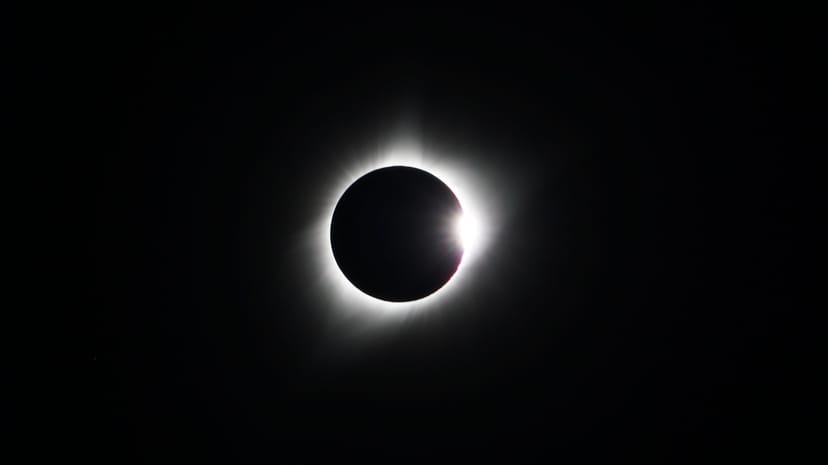
Solar Eclipse 2026 in Iceland | What Happened
Iceland experienced a total solar eclipse on August 12, 2026. Discover what happened in Reykjavík, eclipse times, totality locations and more.
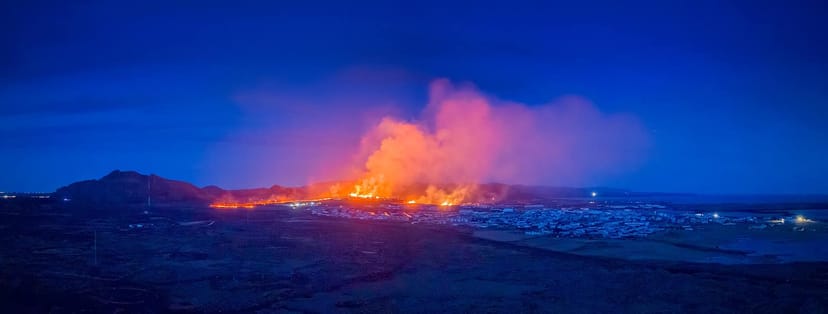
September 2026 updates on the Sundhnúkagígar Eruption in the Reykjanes Peninsula!
The current eruption in the Reykjanes Peninsula, is called Sundhnúkagígar Crater Row. See insights on the seismic activity and volcanic eruptions in the area!
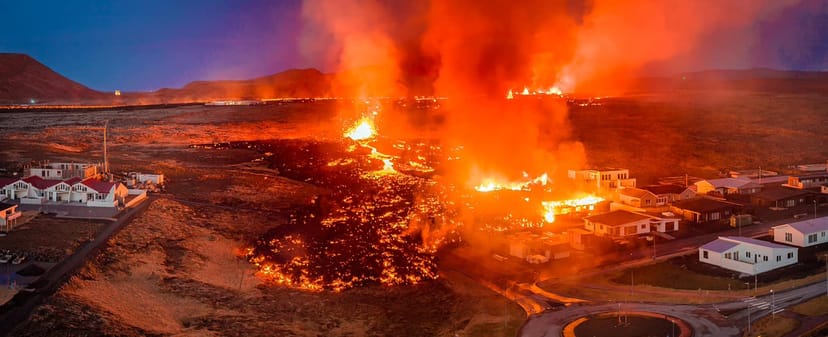
Active Volcanoes in Iceland 2026
Active volcanoes aren't the same thing as active eruptions. A volcano can be considered active even when it is not ejecting ash, rock, gases and magma, so which are active in Iceland in 2026?
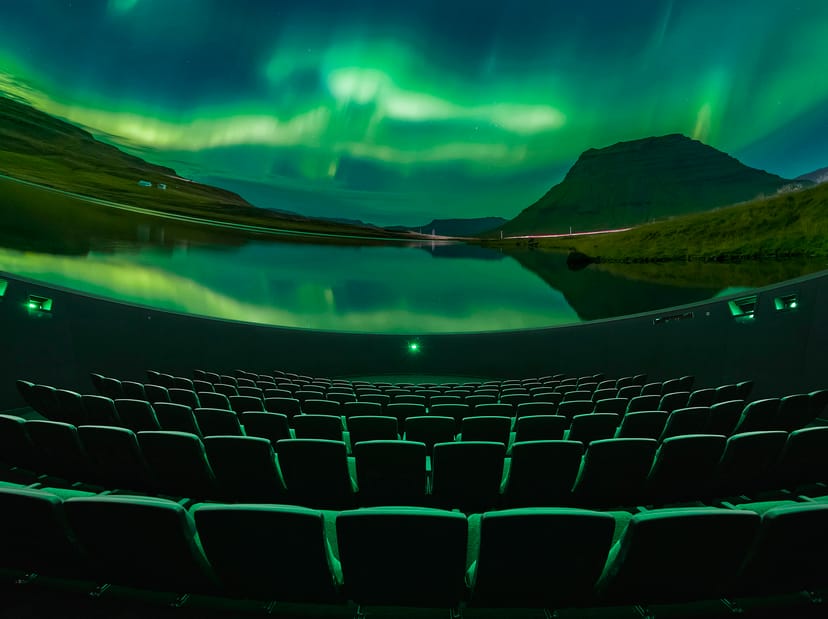
Top 10 Places To See the Northern Lights in Iceland
Discover the best places to see the Northern Lights in Iceland, from Jökulsárlón and Kirkjufell to Reykjavík, Þingvellir and North Iceland.
Ice Caves From Reykjavik
Planning an ice cave trip from Reykjavik? Compare Katla, Langjökull and Vatnajökull, travel times, seasons and Perlan’s ice cave in the city.