
Iceland National Flower: Mountain Avens
In Iceland, travelers often encounter vast lava fields, volcanic slopes, and glacial landscapes as far as the eye can see. Yet the island also supports a surprising variety of flora. Thick carpets of Icelandic moss soften the rocky terrain, wildflowers emerge from unexpected crevices, and hardy purple posies spread across sandy plains. One of the most notable species to know is the Iceland national flower: the mountain avens.
What Is the Iceland National Flower?
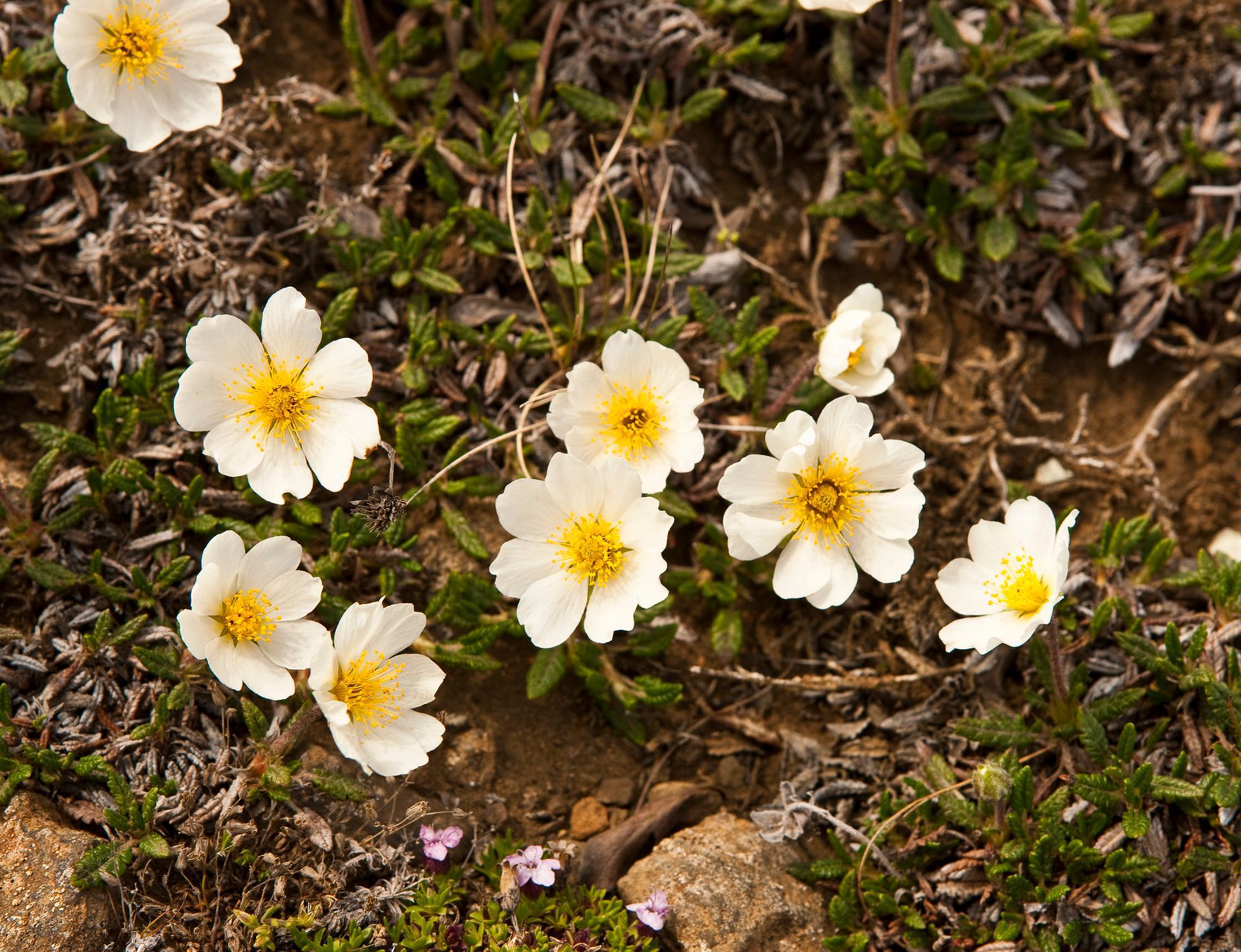
The mountain avens (Dryas octopetala) is a low-growing, woody perennial that belongs to the rose family. While its delicate-looking blooms may appear fragile, this plant is actually among the hardiest plants in the North Atlantic. It is an arctic-alpine species, which means it’s adapted to survive in cold, exposed environments.
Known locally as holtasóley, the mountain avens typically thrives on rocky ridges, gravelly soils, and alpine meadows. As such, it’s widespread across Iceland. If you’re exploring the country’s natural landscapes, you have a good chance of seeing it in bloom during the summer months.
What Does the Iceland National Flower Look Like?
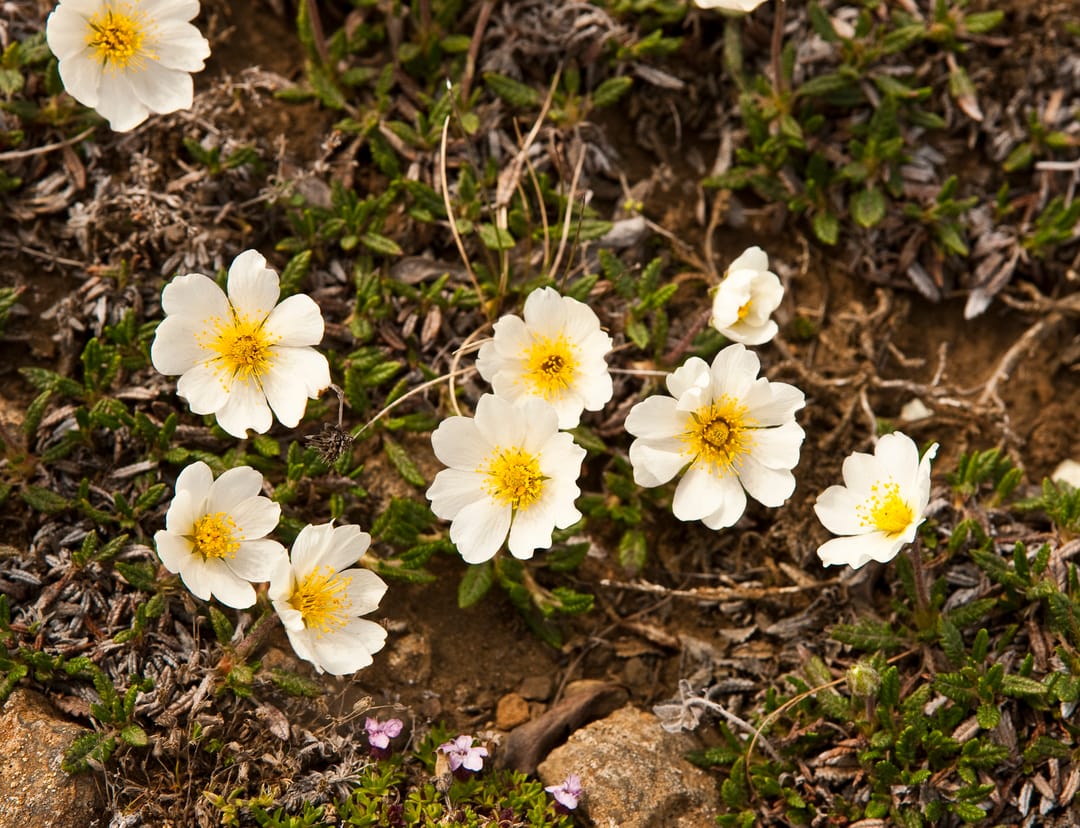
Despite the mountain avens’ small size, its features stand out clearly against the dark basalt of Icelandic lava fields. The flowers typically have eight white petals, reflected in the species name octopetala, surrounding a bright yellow center. This petal arrangement is less common, with many wildflowers sporting just four or five petals. Sitting on short, sturdy stalks, these blooms rise just a few centimeters above the foliage.
The leaves are just as distinct, often compared to miniature oak leaves, with a rounded shape and shallow lobes. Their upper surfaces are leathery and dark green, while the undersides feature fine, silvery hairs that retain moisture and heat.
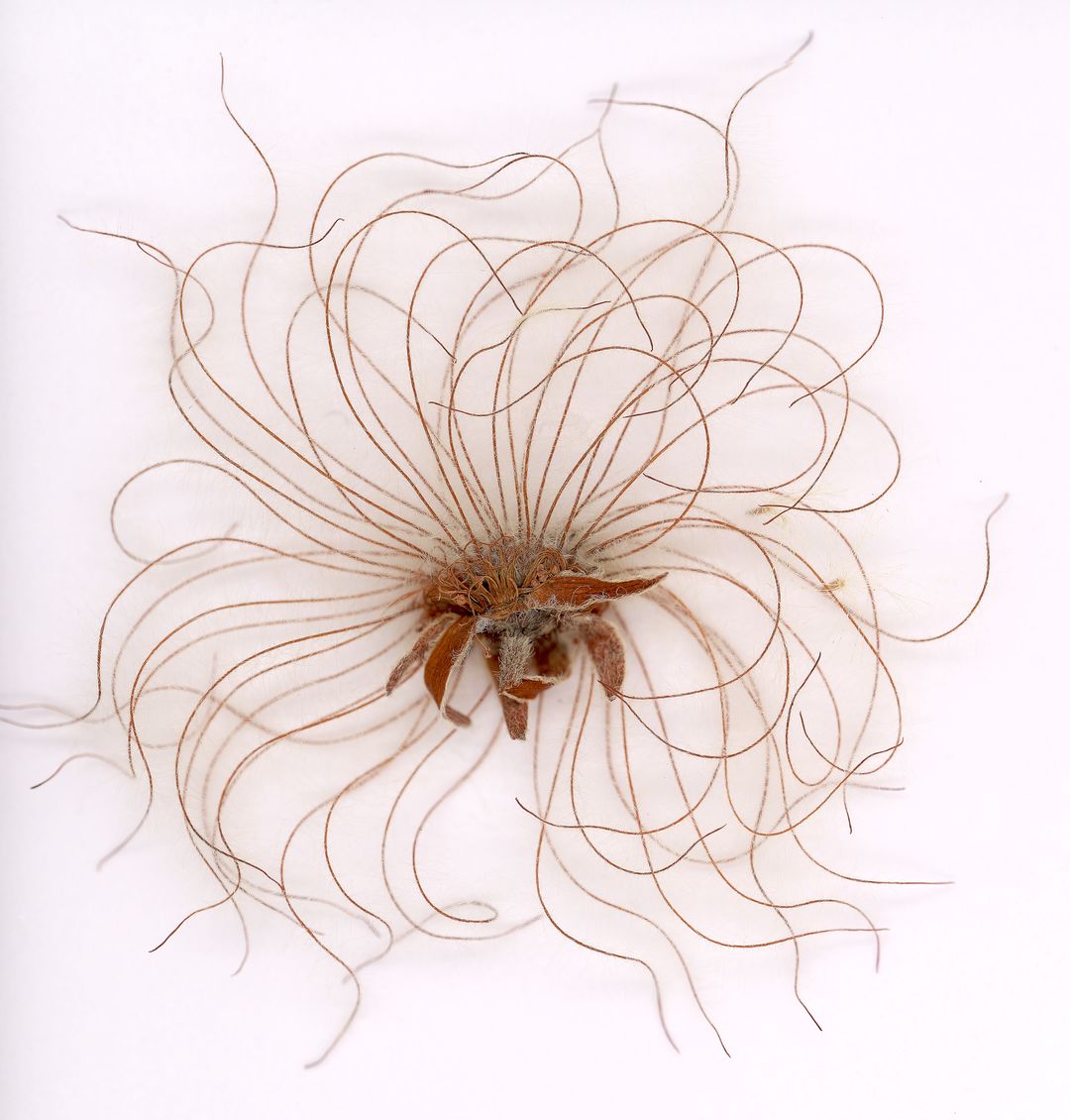
During summer, the Iceland national flower appears bright and vibrant. As the season progresses, mountain avens take on a more muted grayish or brownish tone. The yellow center develops into a feathery, twisted seed head, adapted to catch the wind and disperse its seeds.
The History and Cultural Significance
Even before it was officially recognized as the Iceland national flower, mountain avens had a place in local life. For centuries, it served as a practical resource for people in remote regions of the country. Its leaves were dried and used to make herbal tea, which was believed to have mild medicinal properties.
The plant has also been associated with seasonal change. Holtasóley starting to bloom was often seen as a sign that spring had arrived and the ground was beginning to thaw.
Despite its roots in the country’s natural and cultural landscape, it wasn’t officially designated as Iceland’s national flower until 2004. The selection followed a public vote, in which it was chosen over several other native icelandic flowers and wild blooms. Its resilience, thriving in barren ground and harsh weather, has come to symbolize the endurance and adaptability of Icelanders.
Where Do Mountain Avens Grow in Iceland?
As a highly resilient plant, the Iceland national flower can be found in most regions of the country. It prefers calcium-rich, well-drained soils and stony terrain. You will often find that it’s especially common in open highland areas, heaths, and mountainous landscapes. For travelers, mountain avens are often easiest to spot (and are most photogenic) in scenic natural locations.
- Dettifoss Waterfall: Located in Vatnajökull National Park, the rocky plains surrounding Europe’s most powerful waterfall are often dotted with these hardy blooms.
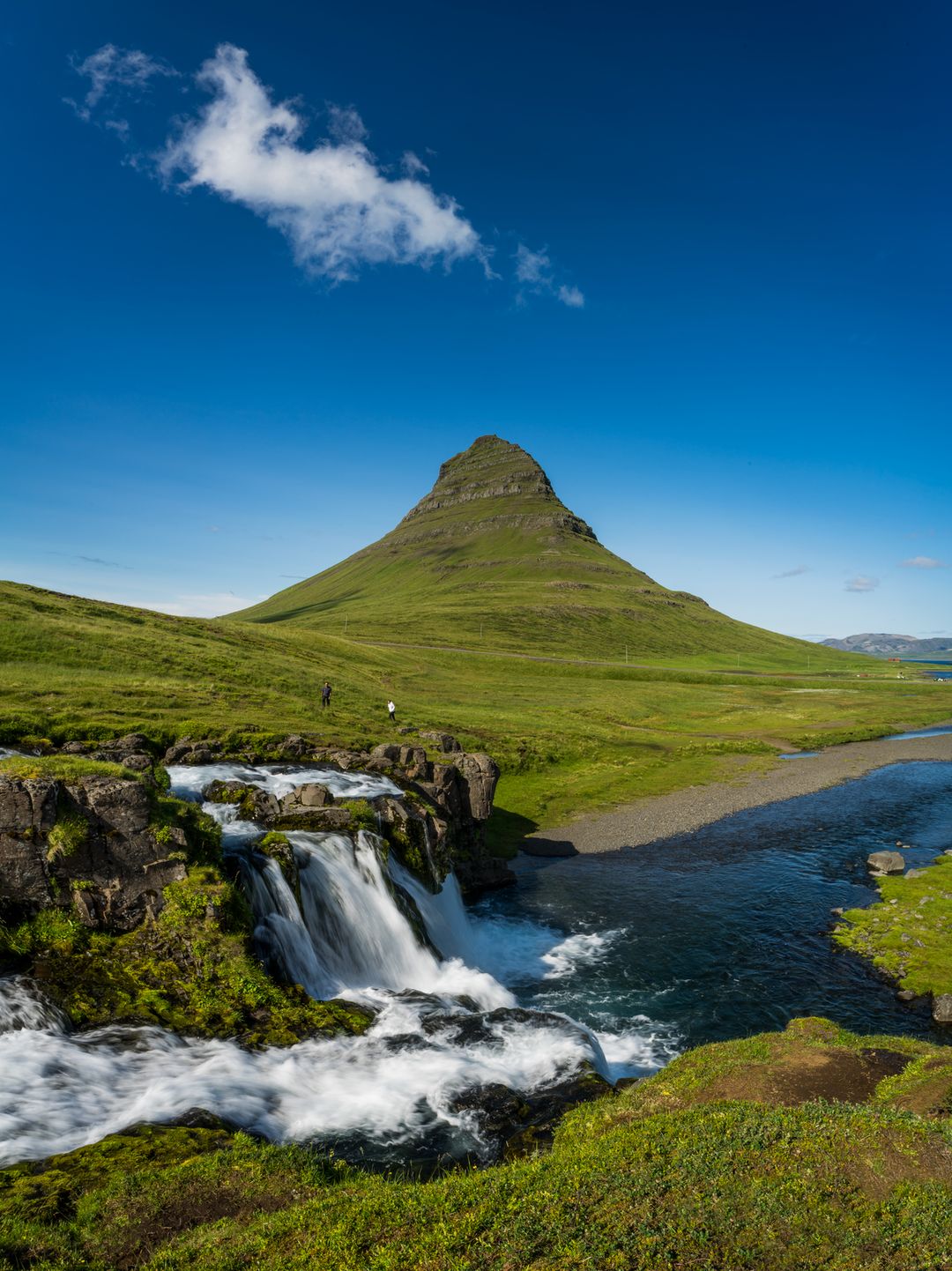
- Kirkjufell Mountain: The base of this iconic, arrow-shaped mountain on the Snæfellsnes Peninsula provides a dramatic backdrop for the plant’s delicate white flowers.
- The Westfjords: This remote region is famous for its steep, ancient mountains. Here, the mountain avens grow on exposed slopes and coastal cliffs.
- The East Fjords: The rugged terrain and narrow fjords in the east offer plenty of gravelly, well-drained soil where the plant thrives.
Best Time to See the Blooms
To see the mountain avens in full bloom, timing is key. As an arctic-alpine species adapted to short growing seasons, its flowering period is relatively brief. Generally, the best time to see the blossoms is from late May through July.
In lowland and southern regions, the first white petals may appear as early as mid-May. In cooler areas, such as higher elevations or the Westfjords, peak bloom typically occurs in June. By August, the flowers are already beginning to fade. While the petals are gone by late summer, the cotton-like plumes remain a distinctive feature of the landscape well into the autumn months.
How to Protect the Iceland National Flower in the Wild
Iceland’s ecosystem is famously fragile, and the mountain avens contribute to stabilizing thin, rocky soils in exposed landscapes. To help ensure the Iceland national flower continues to thrive, follow a few simple guidelines.
- Stay on the Path: Even if the ground looks like a solid field of gravel, small plants like mountain avens and sensitive mosses are easily crushed. Walking off-trail can cause damage that may take decades to repair.
- Look, Don’t Pick: It can be tempting to take a souvenir, but it’s essential to leave the flowers where they grow. This allows the plant to develop its seed heads, ensuring future generations can take root.
- Watch the Wildlife: Spring and early summer are nesting seasons for many Icelandic birds. When searching for flowers, give wildlife a wide berth to avoid disturbing their young.
Nature and Panoramic Views in Perlan
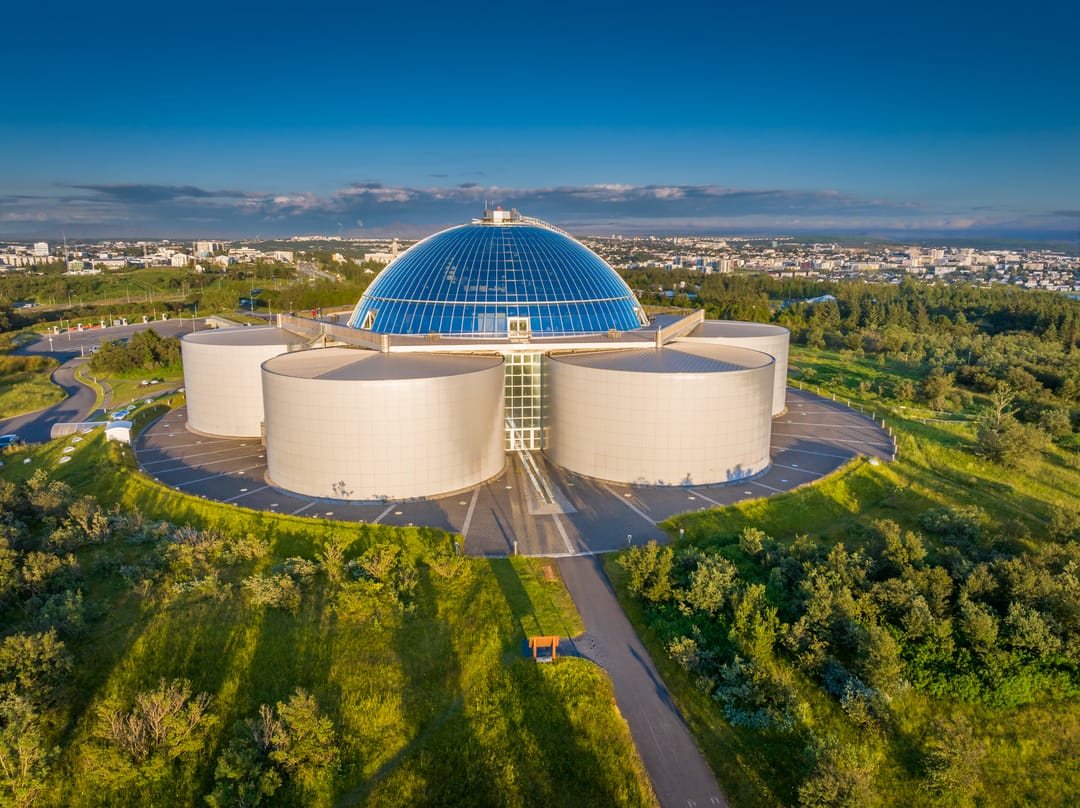
To understand the environment that shaped the Iceland national flower and other flora, a visit to Perlan is a great starting point. The museum’s immersive exhibits explore the formation of Iceland’s lava fields and dramatic landscapes where mountain avens can be found. For a panoramic view of this terrain, head to the Perlan observation deck. From here, you can take in the urban greenery and the distant, rugged mountain ridges that define Iceland’s natural environment.
FAQs
Yes, Iceland officially designated mountain avens as the national flower in 2004 following a public vote.
Iceland is most closely associated with the mountain avens, its national flower. Many travelers also recognize the vast fields of purple lupine, an introduced species that blooms across the island in summer.
The national flower is the mountain avens, known scientifically as Dryas octopetala and locally as holtasóley.
It was chosen for its resilience and ability to thrive in harsh, exposed environments. The public vote winner reflects the enduring spirit that is often associated with the Icelandic people.
The flower typically blooms in early summer. The best sightings often occur between late May and July across much of the country.
Popular articles
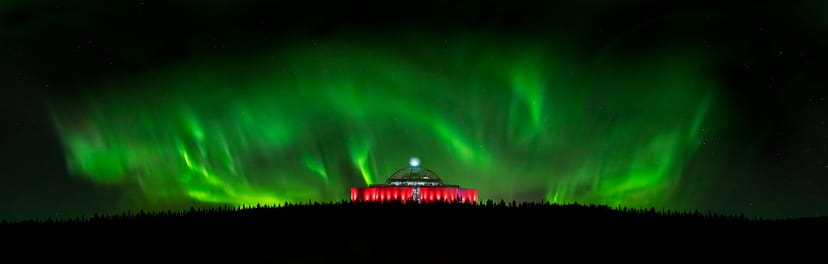
The Complete Guide to the Northern Lights in Iceland
Learn how the Northern Lights form, where to see them in Iceland, how to prepare, take photos, read the forecast, and improve your chances of a sighting.
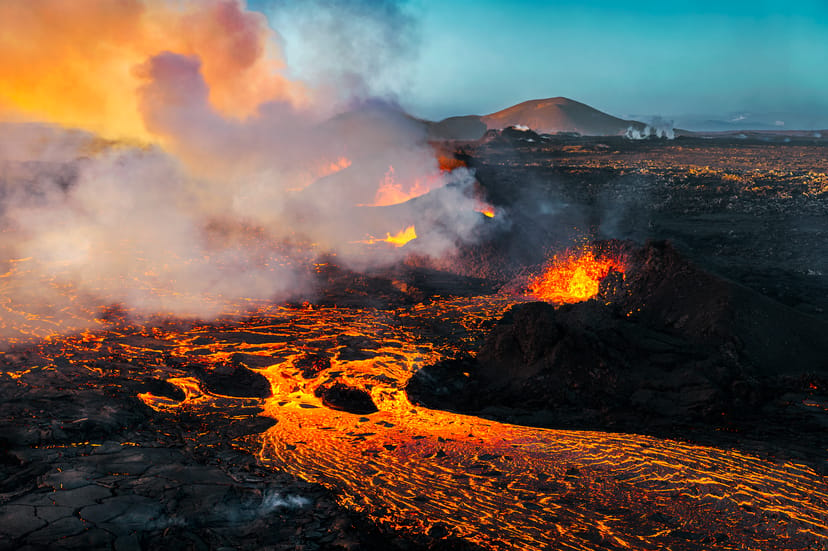
Let's Talk About the Volcano in Iceland About to Erupt
Is a volcano in Iceland about to erupt? Here’s what travelers should know about Svartsengi, Reykjanes activity, flights, safety, and the Blue Lagoon.
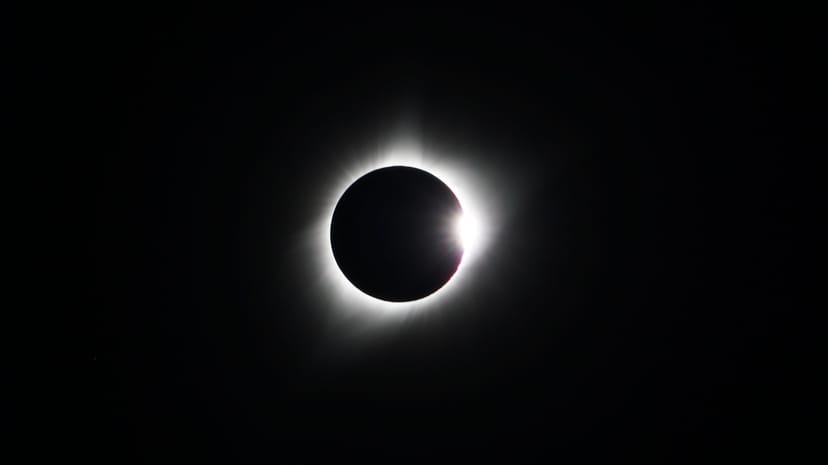
Solar Eclipse 2026 in Iceland | What Happened
Iceland experienced a total solar eclipse on August 12, 2026. Discover what happened in Reykjavík, eclipse times, totality locations and more.
September 2026 updates on the Sundhnúkagígar Eruption in the Reykjanes Peninsula!
The current eruption in the Reykjanes Peninsula, is called Sundhnúkagígar Crater Row. See insights on the seismic activity and volcanic eruptions in the area!
Active Volcanoes in Iceland 2026
Active volcanoes aren't the same thing as active eruptions. A volcano can be considered active even when it is not ejecting ash, rock, gases and magma, so which are active in Iceland in 2026?
Top 10 Places To See the Northern Lights in Iceland
Discover the best places to see the Northern Lights in Iceland, from Jökulsárlón and Kirkjufell to Reykjavík, Þingvellir and North Iceland.
Ice Caves From Reykjavik
Planning an ice cave trip from Reykjavik? Compare Katla, Langjökull and Vatnajökull, travel times, seasons and Perlan’s ice cave in the city.