
Guide to Iceland Flowers and Wild Blooms
When planning an Icelandic trip, colorful blooms aren’t usually the first thing that comes to mind. Yet, Iceland's flowers are one of the most underrated features of the island’s landscape. Short as summer may be, it ushers in a time of lively blossoms. Vibrant wildflowers appear across lava fields, coastal cliffs, and open meadows. Find out more about Icelandic flora in our guide below.
How Iceland’s Climate and Seasons Shape Its Flowers
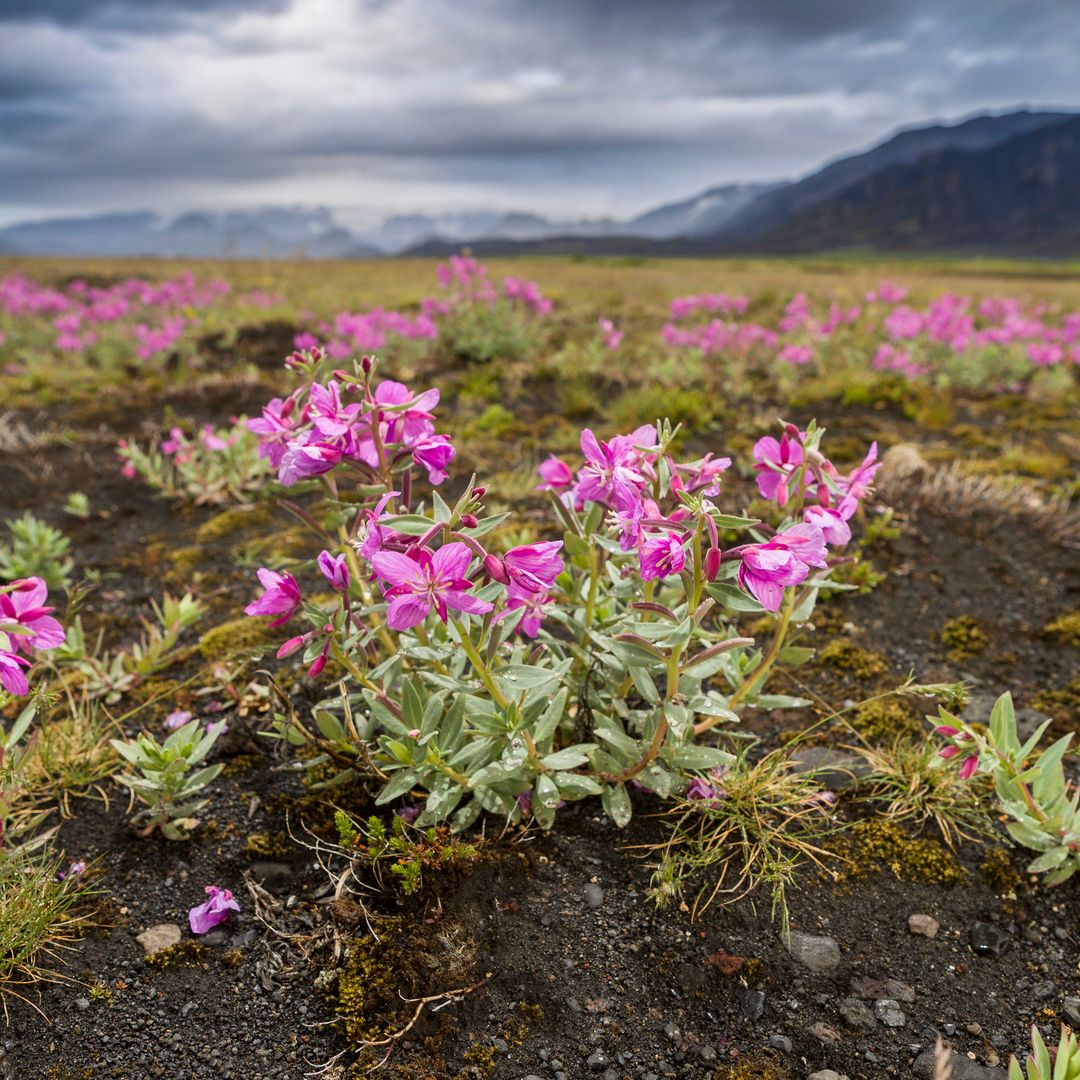
To appreciate the resilience of Icelandic flowers, one must understand the harsh environment in which they grow. The country’s climate is famously unpredictable; a bright summer afternoon can quickly dissolve into rain and winds. Short summers force native flora to adapt with remarkable efficiency. During June and July, long hours of daylight act as a natural boost for photosynthesis. As a result, plants are able to grow and bloom rapidly within a limited season.
Iceland’s rugged terrain presents another challenge. Much of the landscape is covered in porous lava fields and volcanic ash. These soils are low in nutrients and difficult for plants to take root in. To survive, many species grow low to the ground in dense, rounded clumps, trapping warmth and shielding themselves from harsh winds.
Wind is another major factor. Tall, slender stems are easily damaged by strong gusts. So, many native Iceland flowers are small and close to the ground, perfectly adapted to withstand the elements.
To learn more about the conditions that let these flora thrive, Perlan’s natural history exhibitions are an immersive, educational stop. These displays offer a deeper understanding of how Iceland’s geology and climate intersect to support its resilient flora and fauna.
Common Iceland Flowers to Look For
From resilient blossoms of the highlands to sweeping purple fields, here are the iconic flowers to seek out on your travels.
Mountain Aven
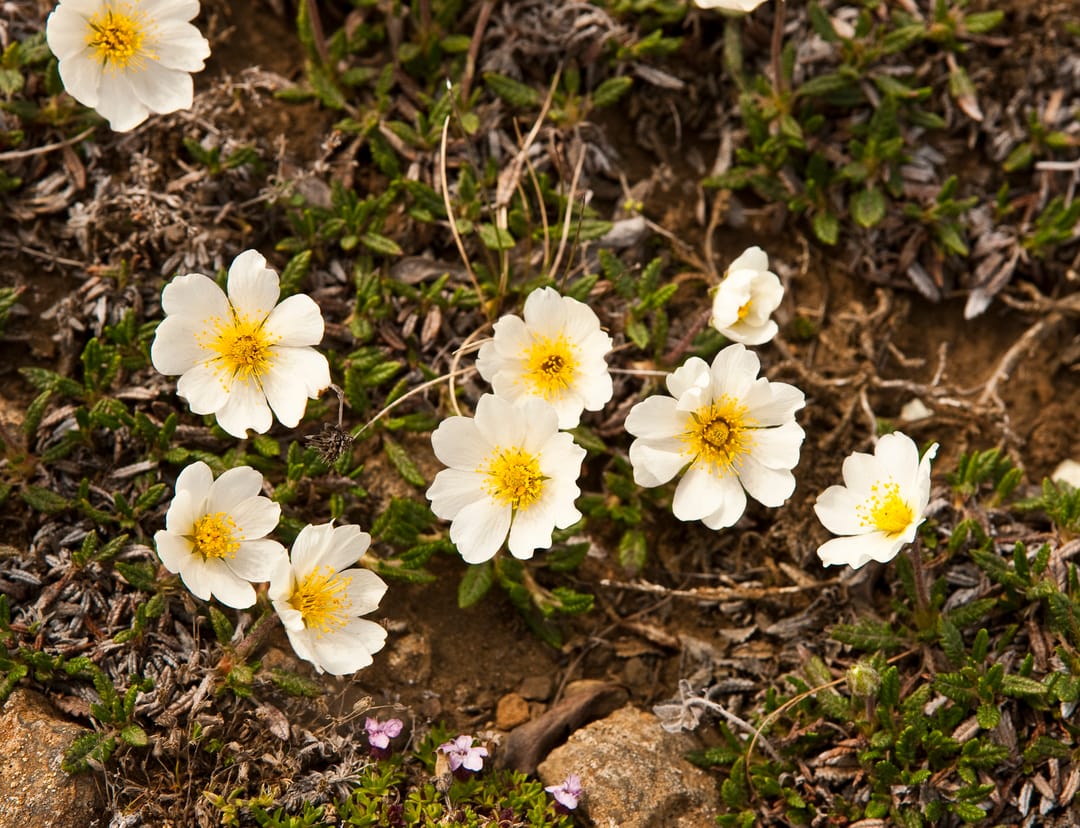
As Iceland’s national flower, the mountain aven, known locally as holtasóley, is a symbol of resilience. It’s a pretty sight, with white petals arranged around a bright golden center. But this delicate-looking bloom also thrives in some of the country’s most unforgiving environments, including gravelly soils and mountain heaths. Traditionally, its leaves have been used to make herbal tea. Look for this hardy bloom across Iceland’s highlands and rocky plateaus from May through July.
Harebell
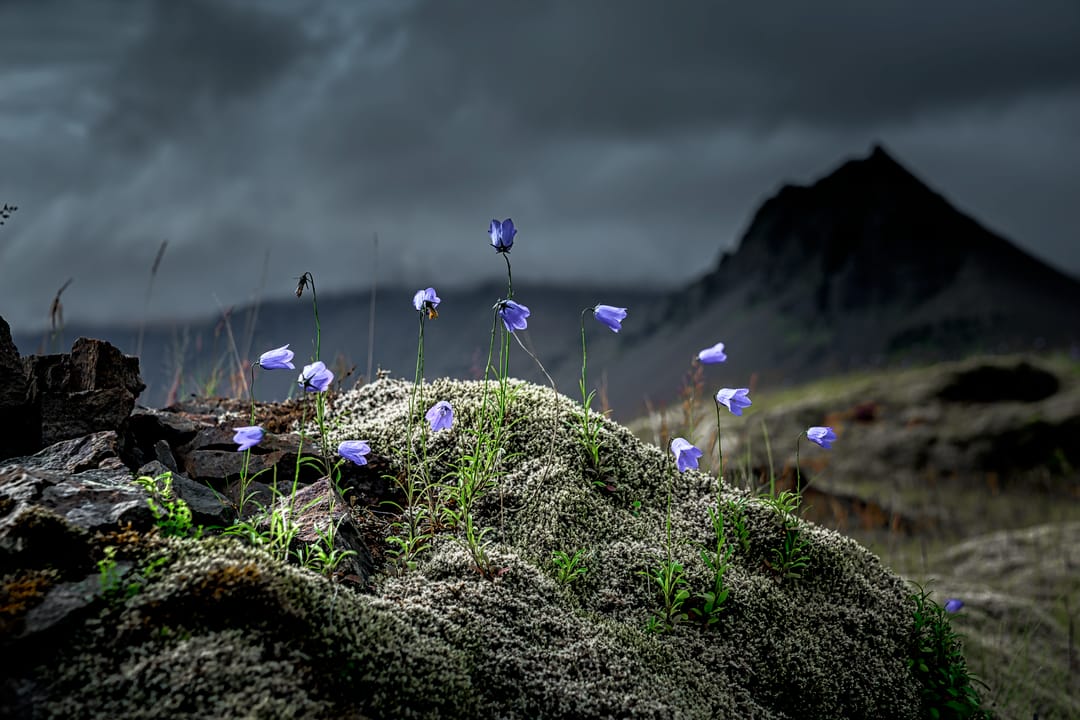
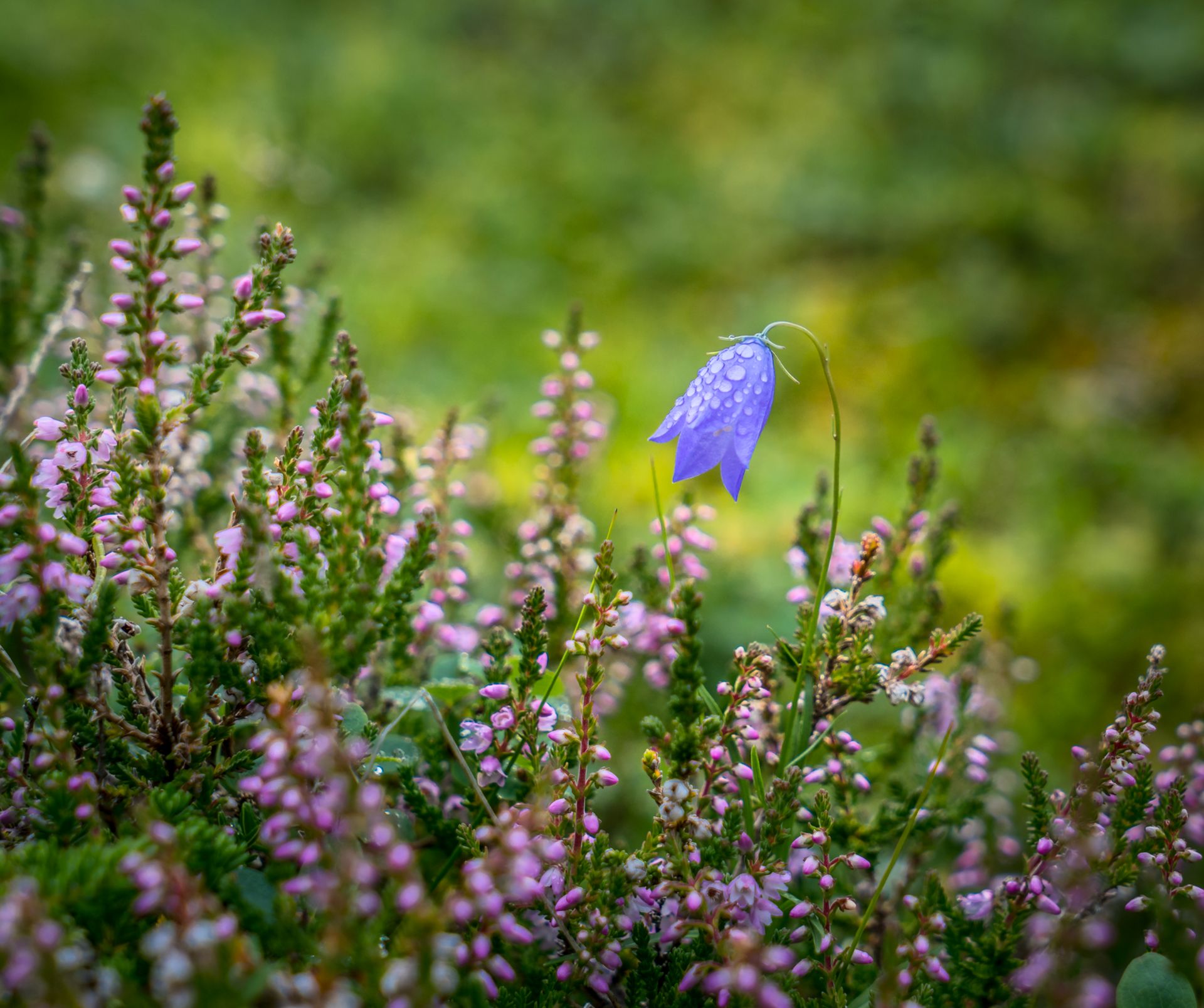
The graceful, papery blue bells of the harebell (bláklukka) are a delicate yet resilient sight across Iceland, particularly in the east. These slender plants may look too fragile for the subarctic winds, yet they bow and bend without breaking. Often found on grassy slopes, meadows, and sheltered ledges, harebells add cool color to the landscape from late June through August.
Meadow Buttercup
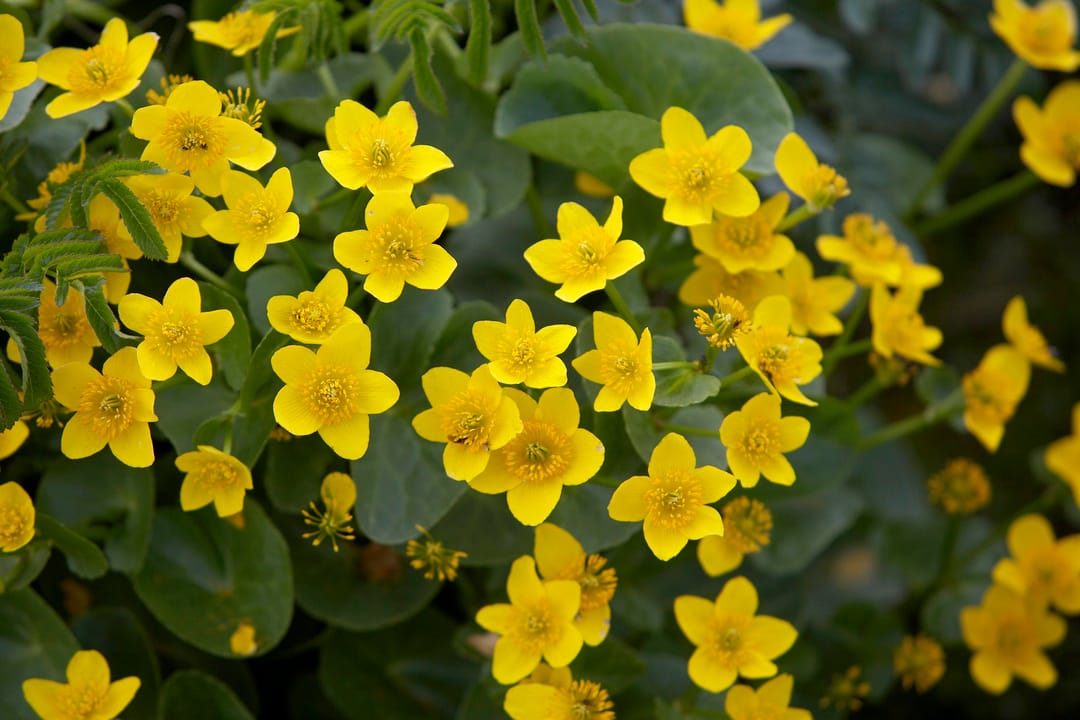
The meadow buttercup (brennisóley) is responsible for the cheerful carpets of yellow that brighten the countryside in summer. These Icelandic flowers are incredibly adaptable, thriving in moist meadows and along roadsides alike. While they may look sweet, buttercups are surprisingly hardy. And since fresh blooms are mildly toxic, grazing livestock tend to avoid them, allowing the plants to flourish.
Moss Campion
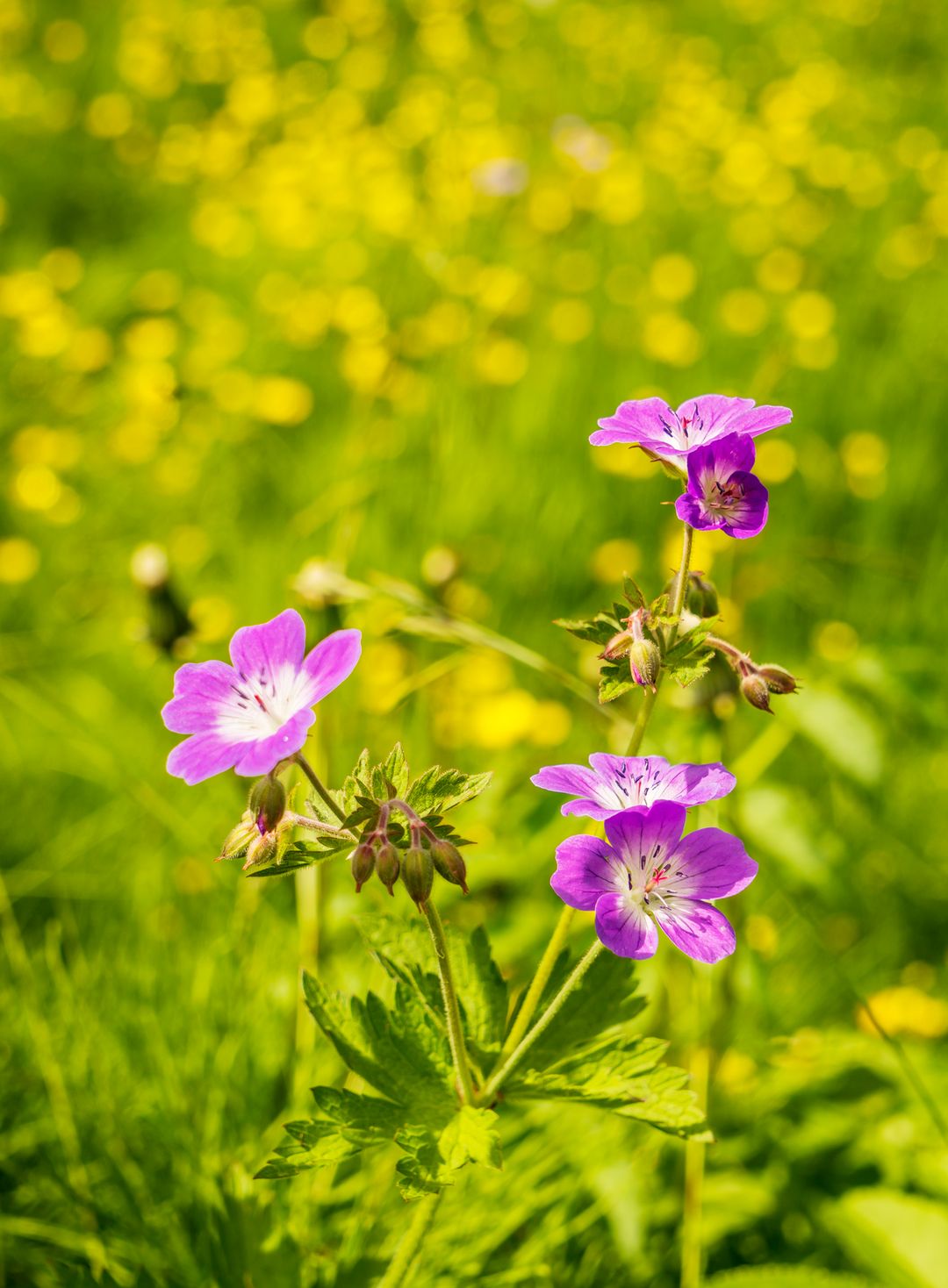
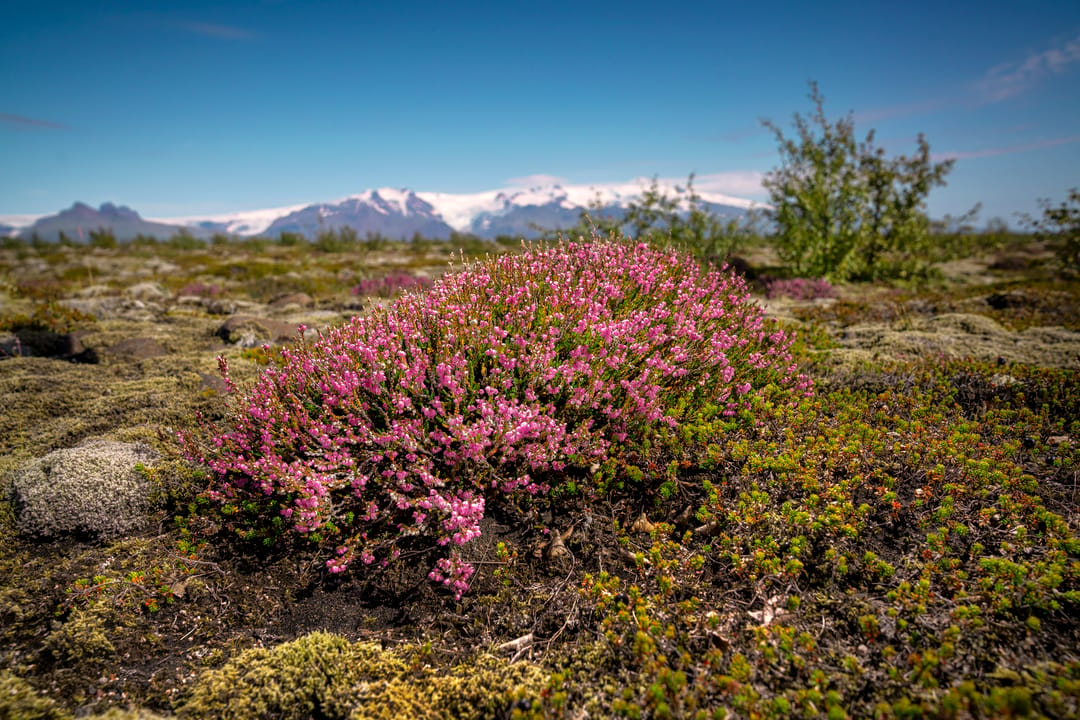
Appearing like bright pink cushions against dark volcanic earth, moss campion (lambagras) is a favorite among hikers in the highlands. This low-growing plant forms dense, rounded mats that help it withstand harsh winds and cold temperatures. An early summer bloomer, these Iceland flowers burst into color in June, creating a striking contrast against the surrounding gray stone and growing on Iceland´s moss.
Arctic Thyme
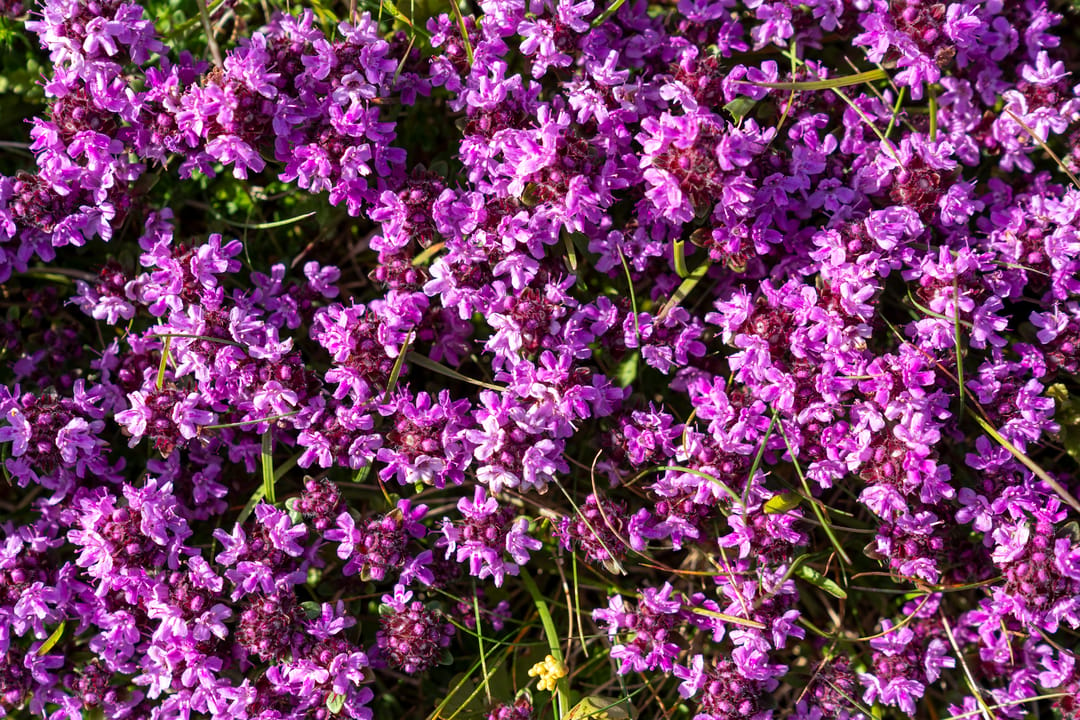
Technically a sub-shrub, Arctic thyme (blóðberg) is beloved for its tiny purple-pink flowers that blanket lava fields and sandy slopes. You will likely smell this plant before you see it; its sweet, herbal fragrance is a signature of the Icelandic summer. Long valued in local tradition, Icelandic thyme is most often enjoyed as a herbal tea and is occasionally used to season dishes.
Purple Saxifrage
True to its Icelandic name vetrarblóm (“winter flower”), purple saxifrage is often among the first blossoms to appear after the snow melts. Sometimes, it can even be seen blooming close to lingering patches of snow. Its low-growing form and star-shaped purple petals are often a welcome sign of spring’s arrival. Exceptionally cold-resistant, it thrives in high mountain areas and across Arctic tundra.
Gleym-mér-ei (Forget-me-not)
The unforgettable forget-me-nots (gleym-mér-ei) add a touch of nostalgia to summertime. These Icelandic flowers often pop up near old farmsteads, churchyards, and garden borders. Its tiny, brilliant blue petals and yellow centers provide a soft contrast to the island’s more rugged vegetation. Although it prefers more sheltered and nutrient-rich soil than many alpine species, it is a widespread sight across the lowlands during peak summer.
Nootka Lupine
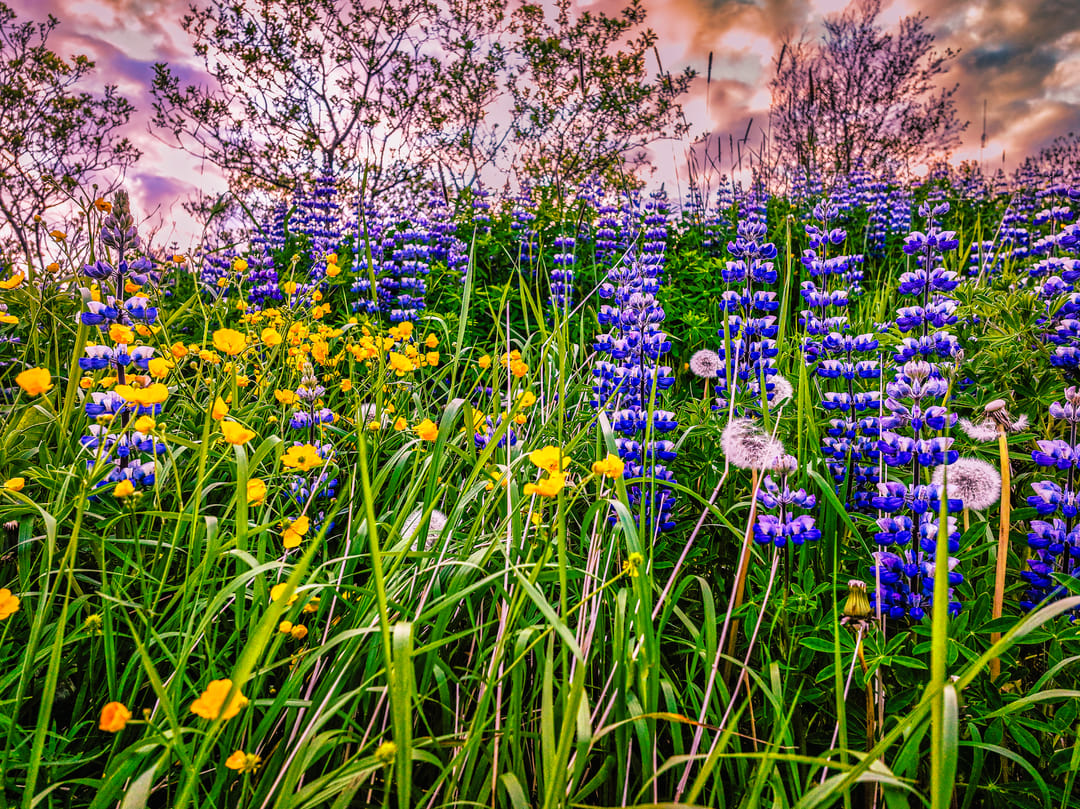
Finally, meet Iceland’s most famous and controversial bloom: Nootka lupine in Iceland (lúpína). Introduced from Alaska in the mid-20th century to combat soil erosion and replenish nitrogen, it now paints entire valleys in striking shades of purple. While travelers flock for these lupine fields in summer, the plant is considered invasive, as it can outcompete native vegetation. Today, Nootka lupine has become an undeniable part of Iceland’s modern summer landscape.
Best Places to See Iceland Flowers in Bloom
While you can spot Iceland flowers along the Ring Road during summer, certain regions offer particularly spectacular displays of color.
- South Coast: The area around Vík and the Reynisfjara black sand beaches comes alive during lupine season. Here, you’ll find sweeping fields of purple contrasting against the dark coastline.
- Snæfellsnes Peninsula: Often called “Iceland in Miniature,” this region features diverse landscapes where meadow buttercups and lupine thrive. Look for these Iceland flowers near iconic landmarks like Kirkjufell and historic sites such as Ingjaldshóll Church.
- The Westfjords: This remote region is a haven for delicate plant life, with lush meadows flourishing in the deep, sheltered fjords.
- Vatnajökull National Park: In the Skaftafell area, you’ll find a unique mix of flora, where resilient blooms like moss campion grow in the shadow of glaciers.
- The Eastfjords: Known for coastal cliffs and quieter landscapes, this region offers excellent opportunities to spot delicate wildflowers like harebells in sheltered spots.
FAQs
Iceland’s national flower is the mountain aven, a resilient white blossom with a golden center that thrives in rocky, highland terrain. It was voted the country’s favorite flower in 2004.
The most famous Iceland flower is the Nootka lupine, which blankets vast landscapes in brilliant purple during the summer months. Though iconic for photography, it remains a controversial species as it can crowd out native mosses.
Iceland is home to around 450 species of vascular plants, including hardy varieties like moss campion and purple saxifrage. These Iceland flowers are specially adapted to the island’s volcanic soil and subarctic climate.
Colorful wildflowers bloom mainly during summer, from late May to August. Outside this season, you can still explore Iceland’s plant life through indoor exhibits and greenhouses.
Picking wildflowers is discouraged and, in many protected areas, illegal, as these plants are vital to the fragile ecosystem. Visitors are encouraged to follow the “leave no trace” principle and stay on marked paths to avoid damaging sensitive habitats.
Popular articles
The Complete Guide to the Northern Lights in Iceland
Learn how the Northern Lights form, where to see them in Iceland, how to prepare, take photos, read the forecast, and improve your chances of a sighting.
Let's Talk About the Volcano in Iceland About to Erupt
Is a volcano in Iceland about to erupt? Here’s what travelers should know about Svartsengi, Reykjanes activity, flights, safety, and the Blue Lagoon.
Solar Eclipse 2026 in Iceland | What Happened
Iceland experienced a total solar eclipse on August 12, 2026. Discover what happened in Reykjavík, eclipse times, totality locations and more.
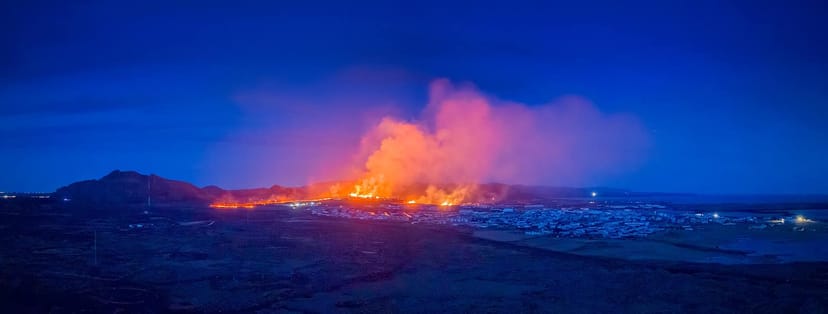
September 2026 updates on the Sundhnúkagígar Eruption in the Reykjanes Peninsula!
The current eruption in the Reykjanes Peninsula, is called Sundhnúkagígar Crater Row. See insights on the seismic activity and volcanic eruptions in the area!
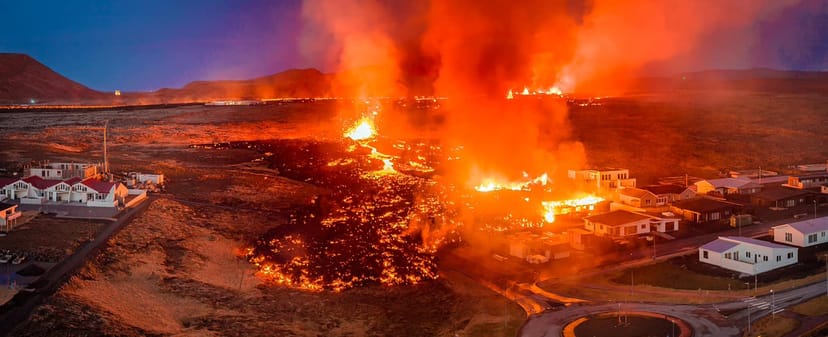
Active Volcanoes in Iceland 2026
Active volcanoes aren't the same thing as active eruptions. A volcano can be considered active even when it is not ejecting ash, rock, gases and magma, so which are active in Iceland in 2026?
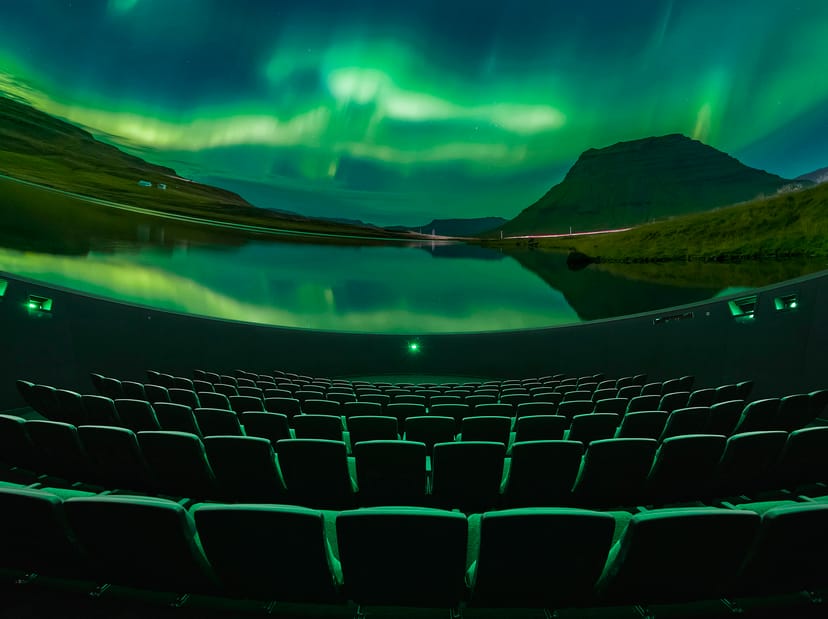
Top 10 Places To See the Northern Lights in Iceland
Discover the best places to see the Northern Lights in Iceland, from Jökulsárlón and Kirkjufell to Reykjavík, Þingvellir and North Iceland.
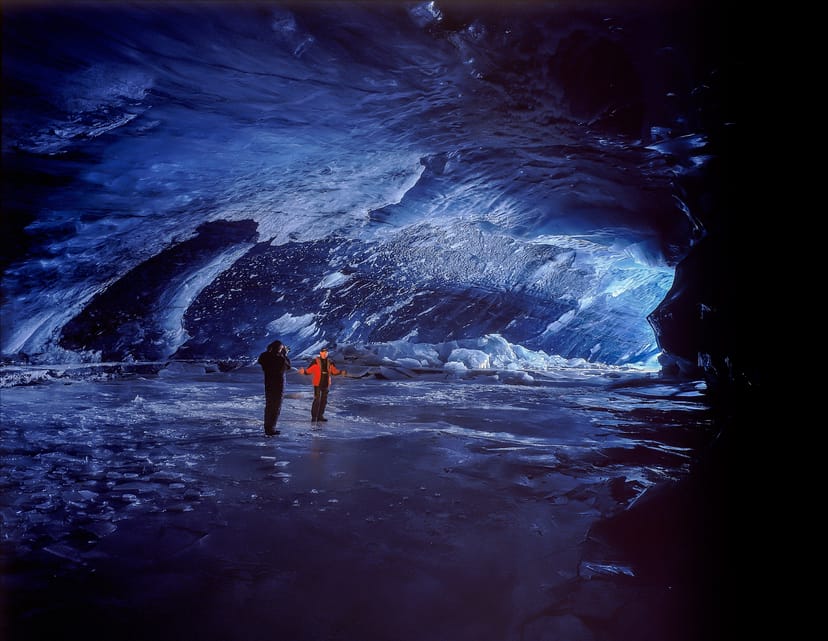
Ice Caves From Reykjavik
Planning an ice cave trip from Reykjavik? Compare Katla, Langjökull and Vatnajökull, travel times, seasons and Perlan’s ice cave in the city.