
Hellissandur and Its History in West Iceland
Explore Hellissandur, Iceland’s street art capital. Learn about its fishing history, murals, maritime museum, coastal walks, and nearby attractions.
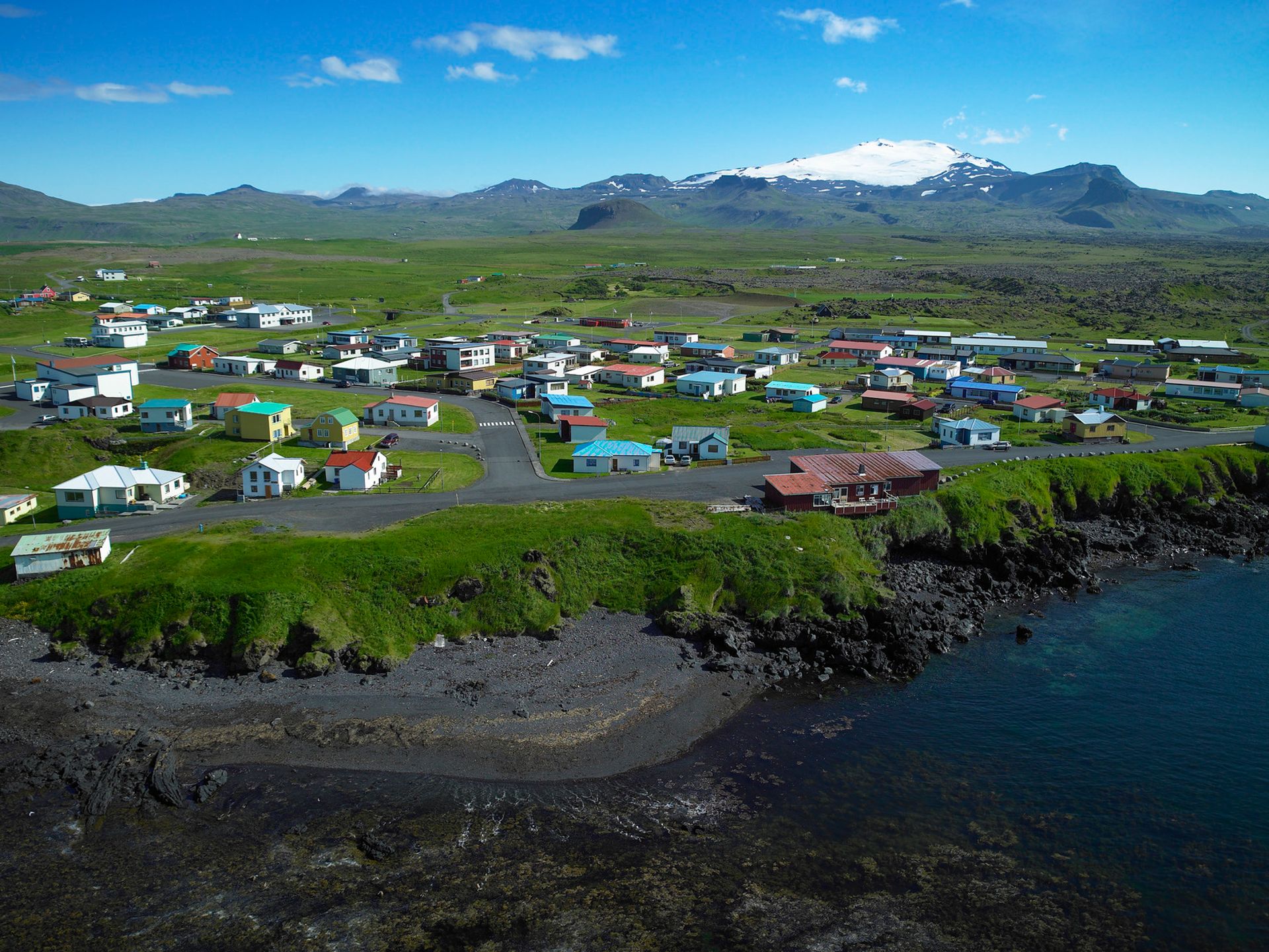
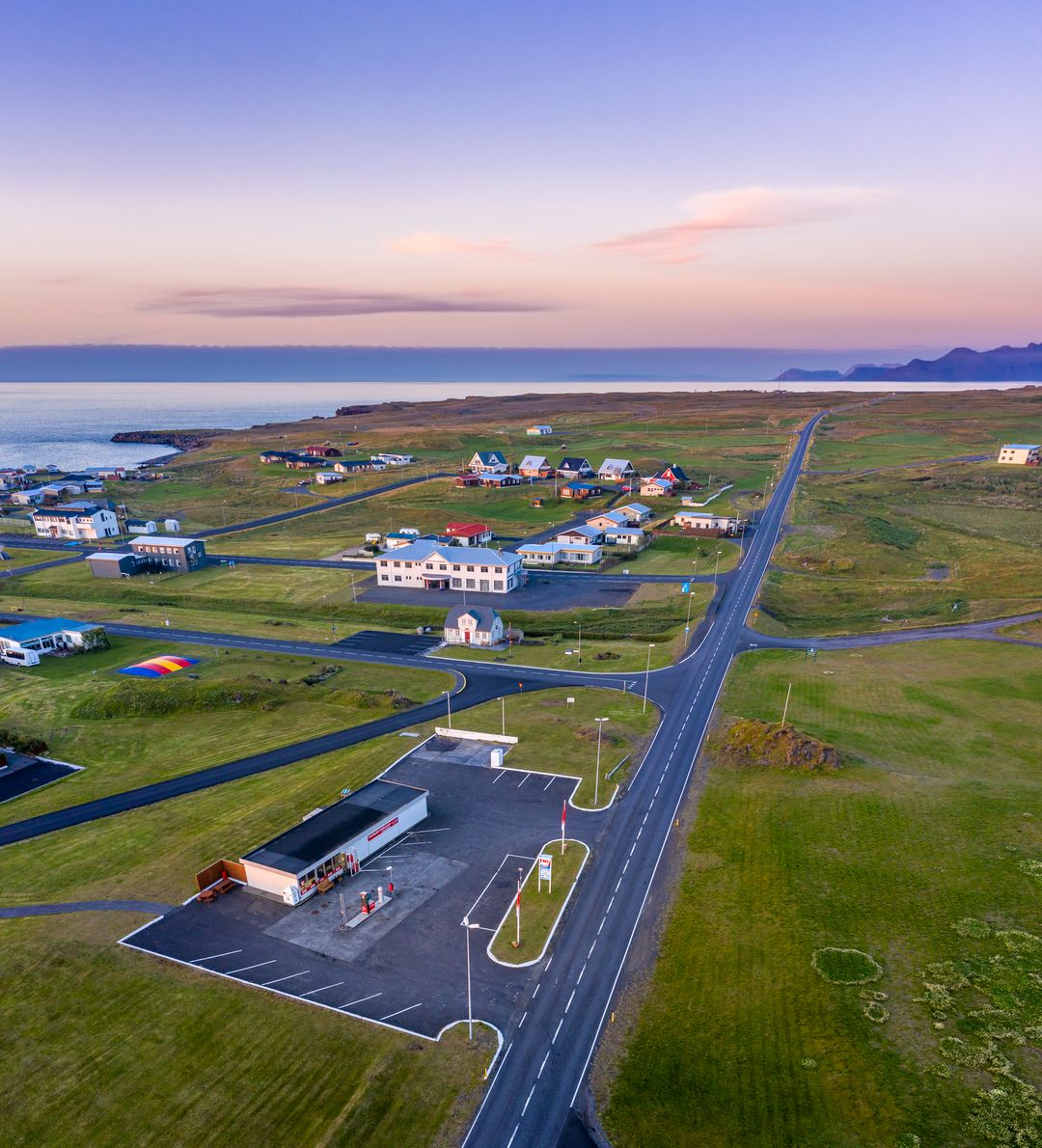
On the northwestern tip of the Snæfellsnes Peninsula is Hellissandur, a charming village in Iceland with a rich history. This quiet coastal community is both a centuries-old fishing settlement and a modern destination celebrated as Iceland’s street art capital. Sitting just outside Snæfellsjökull National Park, Hellissandur combines nature, history, culture, and art in one rewarding stop.
The History: From Fishing Village to Hellissandur Today
Hellissandur is widely recognised as one of the oldest fishing villages in Iceland. Historical records trace the settlement back to around the 16th century, though seasonal fishing in the area began even earlier.
By 1700, approximately 60 seasonal fishermen’s huts had been recorded at the site. Local crews launched small wooden boats from the shore to reach the rich fishing grounds offshore. Over time, trade expanded, and Hellissandur became an authorised trading post in 1891.
The Maritime Museum and Fishermen’s Park
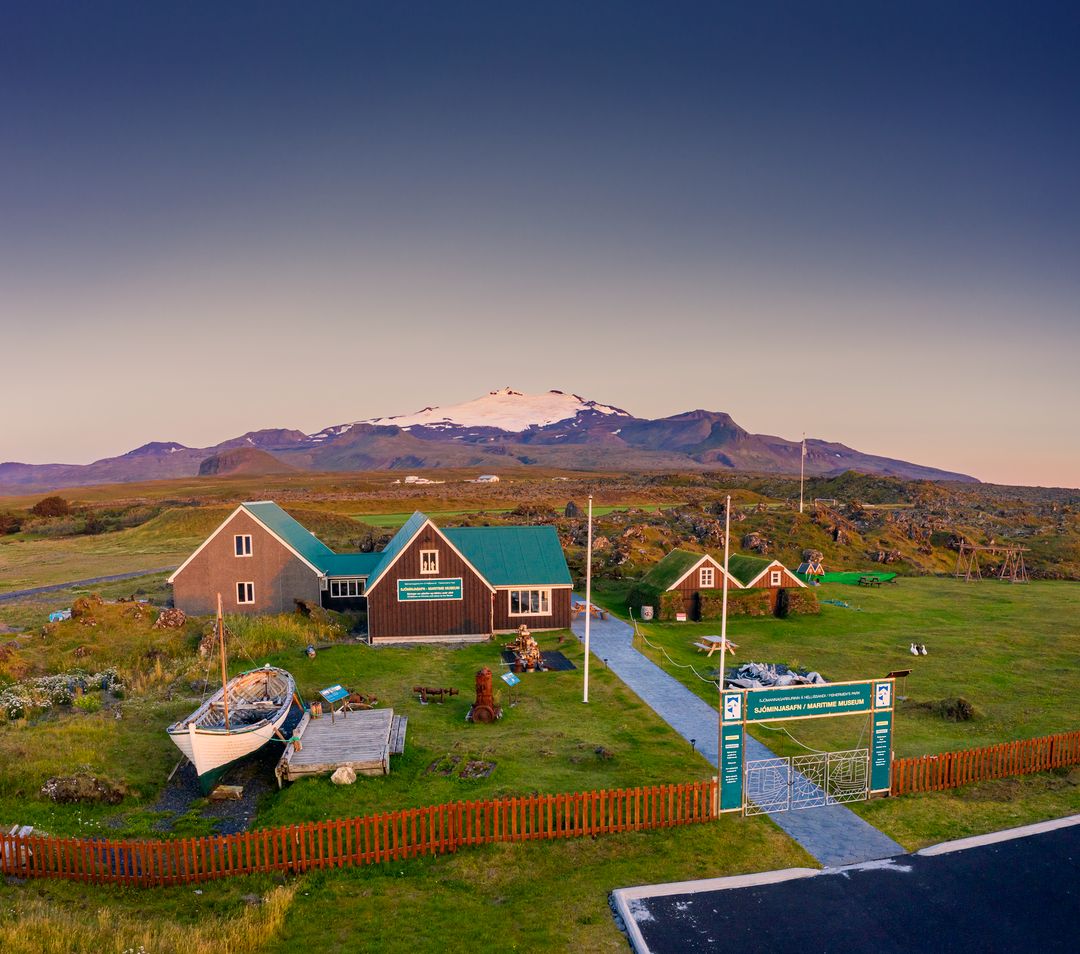
To better understand this heritage, stop by the local maritime museum. It offers a glimpse into how Icelanders lived and worked in coastal fishing communities for generations. Here, you can see traditional turf structures, historic fishing gear, tools, and everyday household objects connected with earlier village life.
The highlight of the museum, however, is Bliki, an 1826 rowing boat. Documented as Iceland's oldest surviving rowing vessel, it’s a tangible link to the island’s long seafaring history. Generations of fishermen once depended on small boats just like this.
Why Is Hellissandur the Street Art Capital of Iceland?
Although Hellissandur historically thrived as a fishing settlement, it has more recently earned a reputation as the Street Art Capital of Iceland. Local and international artists have transformed weathered buildings into giant canvases, turning parts of the village into an open-air gallery. Many striking works cover the walls of the old fish factory, where colourful murals now contrast with the industrial surroundings.
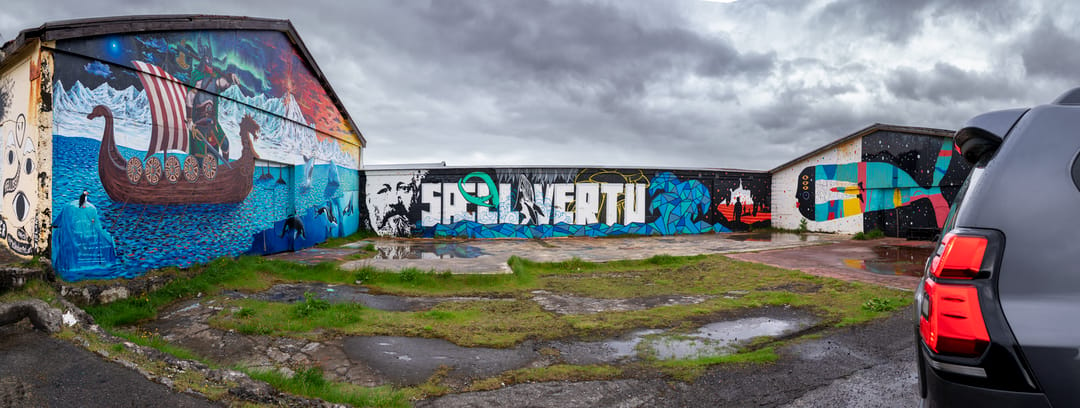
Large-scale murals also cover various walls throughout the village. The artists drew inspirations from the locale, from Icelandic birdlife and folklore to marine heritage and volcanic landscapes. This contrast between coastal views, weathered buildings, and bold contemporary art makes exploring Hellissandur on foot a memorable experience.
Nature and Walking Around Hellissandur
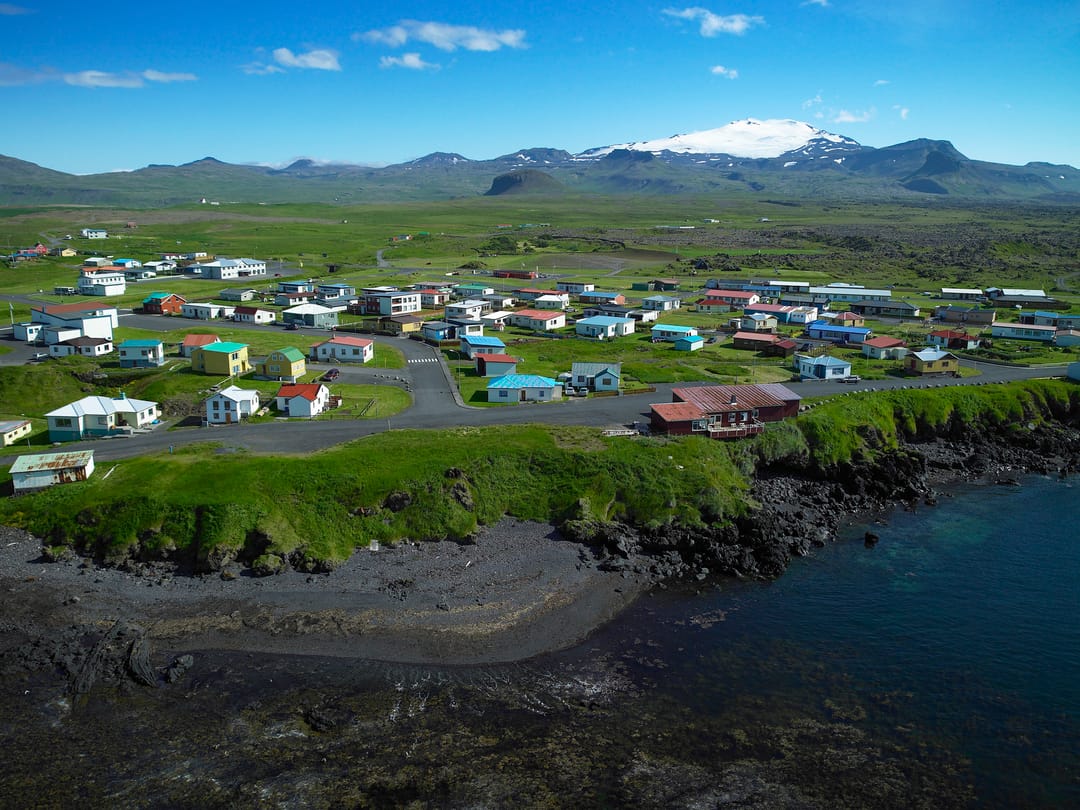
Beyond its painted walls, Hellissandur offers peaceful coastal walks and easy access to the landscapes of Snæfellsjökull National Park. The village serves as a gateway to the park, with trails crossing lava fields and rugged coastal terrain beneath the glacier-capped Snæfellsjökull volcano. Visitors can also stop by the national park visitor centre in Hellissandur for information about local trails, conditions, and points of interest.
Before heading west, you can learn more about Iceland’s glaciers at Perlan’s Ice Cave and Glaciers Exhibition. It features a realistic indoor ice cave made from more than 350 tonnes of snow. There are also interactive displays explaining how glaciers form and shape Iceland’s landscape.
How to Get to Hellissandur
Hellissandur sits along Route 574, which loops around the outer edge of the Snæfellsnes Peninsula.
From Reykjavík, the drive covers roughly 195 km (121 mi) and takes between 2.5 to 3 hours without stops. Follow Route 1 north through Borgarnes, turn onto Route 54 towards the Snæfellsnes Peninsula, and continue west before connecting with Route 574.
The village is easy to include in a broader road trip alongside neighbouring settlements such as Ólafsvík and Rif.
Nearby Attractions
A trip to Hellissandur takes you through Snæfellsnes Peninsula, also known as “Iceland in miniature.” Fortunately, the village is well-placed for exploring several of the best-known sights in the peninsula’s western areas.
- Snæfellsjökull National Park: Explore lava fields, coastal landscapes, hiking trails, and the glacier-capped Snæfellsjökull volcano.
- Saxhóll Crater: Climb the metal staircase to the rim of this volcanic crater for sweeping views across the surrounding lava fields.
- Svörtuloft Lighthouse: Marvel at a striking orange lighthouse standing above the rugged black basalt coastline.
- Djúpalónssandur: Visit a black-pebble beach known for its historic lifting stones and the scattered remains of a shipwreck.
FAQs
Yes. Hellissandur offers an unusual mix of maritime history, traditional turf structures, colourful street art, and dramatic volcanic scenery.
Summer, from June to August, brings long daylight hours, milder weather, and generally easier conditions for walking and sightseeing. Winter is quieter and more atmospheric, although snow, ice, and changing road conditions can affect travel.
Allow around 1–2 hours to explore the street art, visit the maritime museum, and take a short walk around the village. You may want longer if combining Hellissandur with nearby trails or attractions.
No. Hellissandur sits just outside the northern edge of Snæfellsjökull National Park and serves as a convenient gateway to the protected area.
Local guesthouses, small hotels, and the small Hellissandur camping grounds offer convenient bases for exploration.
Popular articles
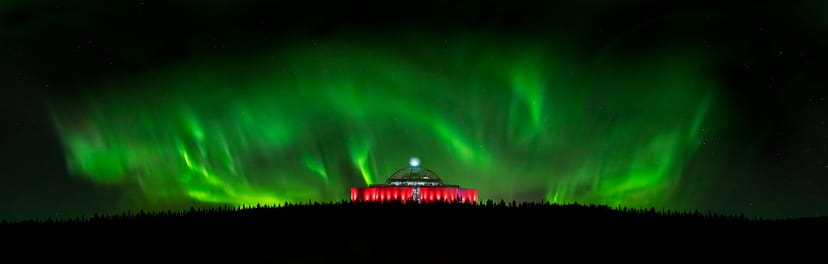
The Complete Guide to the Northern Lights in Iceland
Learn how the Northern Lights form, where to see them in Iceland, how to prepare, take photos, read the forecast, and improve your chances of a sighting.
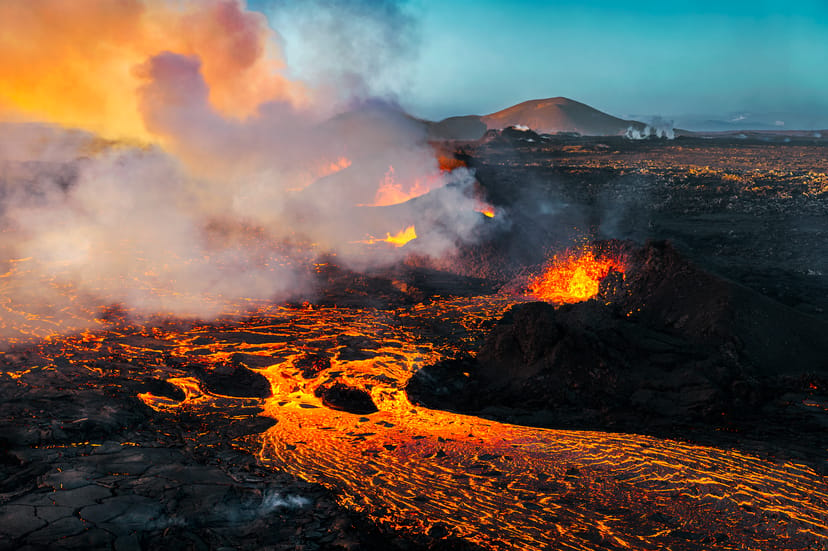
Let's Talk About the Volcano in Iceland About to Erupt
Is a volcano in Iceland about to erupt? Here’s what travelers should know about Svartsengi, Reykjanes activity, flights, safety, and the Blue Lagoon.

Solar Eclipse 2026 in Iceland | What Happened
Iceland experienced a total solar eclipse on August 12, 2026. Discover what happened in Reykjavík, eclipse times, totality locations and more.
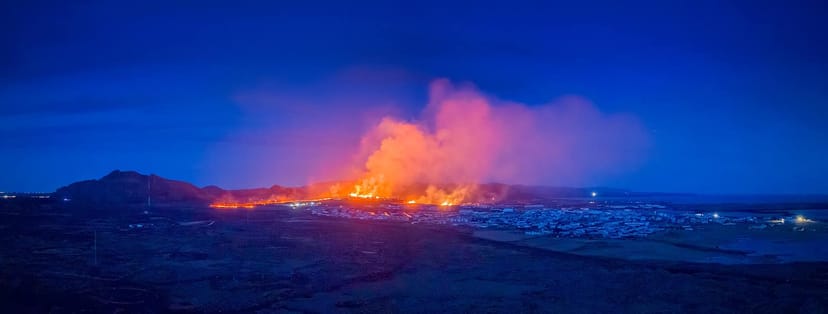
September 2026 updates on the Sundhnúkagígar Eruption in the Reykjanes Peninsula!
The current eruption in the Reykjanes Peninsula, is called Sundhnúkagígar Crater Row. See insights on the seismic activity and volcanic eruptions in the area!
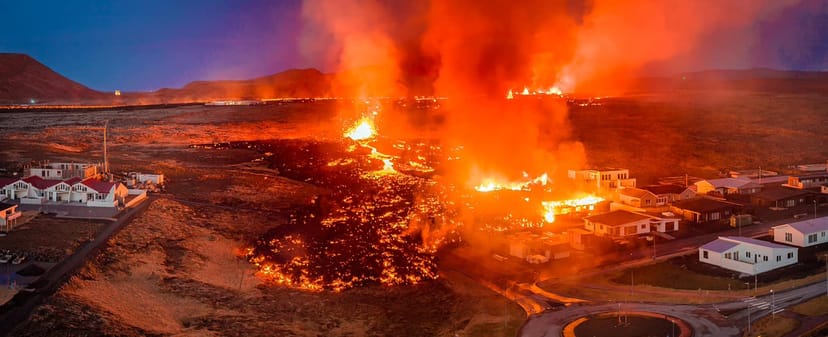
Active Volcanoes in Iceland 2026
Active volcanoes aren't the same thing as active eruptions. A volcano can be considered active even when it is not ejecting ash, rock, gases and magma, so which are active in Iceland in 2026?
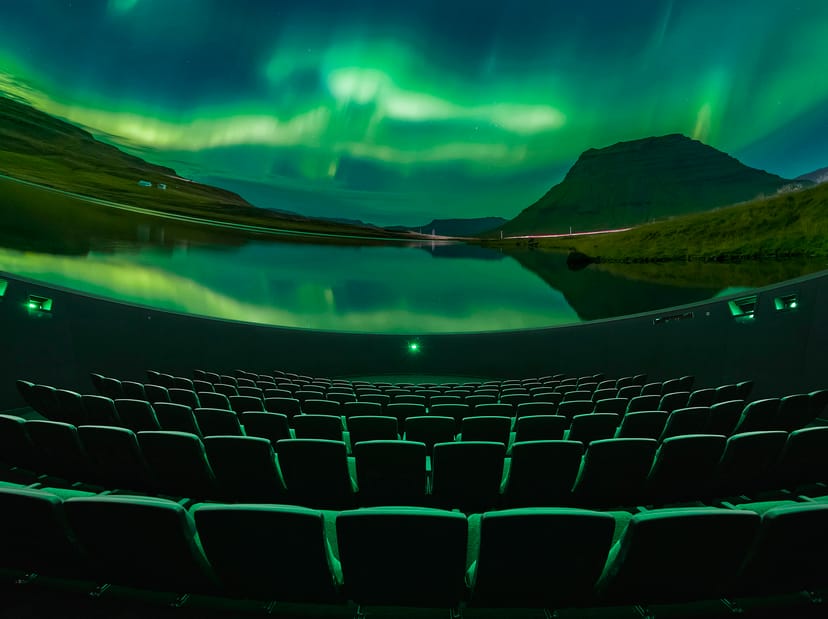
Top 10 Places To See the Northern Lights in Iceland
Discover the best places to see the Northern Lights in Iceland, from Jökulsárlón and Kirkjufell to Reykjavík, Þingvellir and North Iceland.
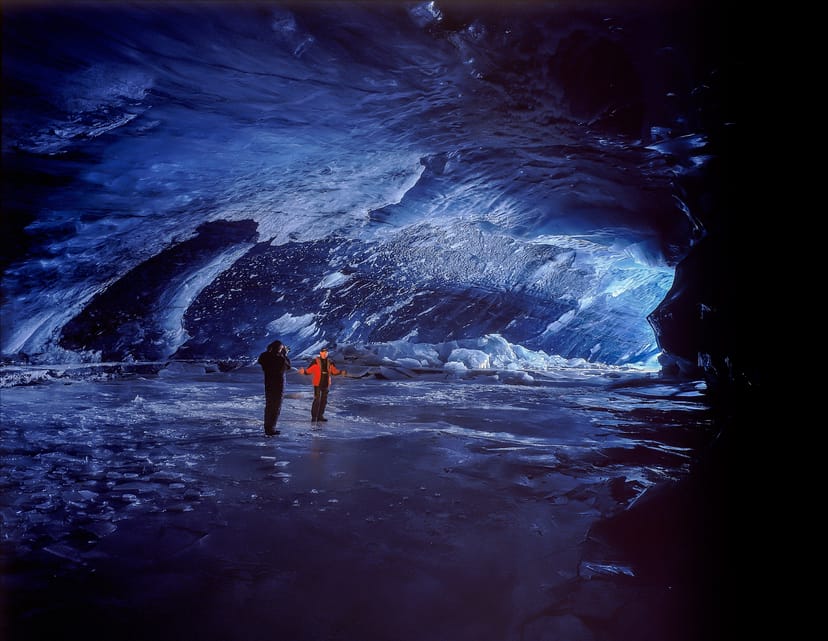
Ice Caves From Reykjavik
Planning an ice cave trip from Reykjavik? Compare Katla, Langjökull and Vatnajökull, travel times, seasons and Perlan’s ice cave in the city.