
Finding the Best Time of Year to Visit Iceland for Your Trip
Packed with otherworldly landscapes, outdoor adventures, and epic road trips, there is truly no "off-season" in Iceland. However, the country’s dramatic seasonal shifts mean that your experience changes entirely depending on when you arrive. From eternal daylight to the Northern Lights, the best time of year to visit Iceland ultimately depends on your bucket list. This guide breaks down the weather, daylight, and accessibility of each season to help you choose your perfect holiday window.
Icelandic Weather and Daylight Hours
To understand the best time of year to visit Iceland, you must look past the thermometer. Iceland's famously unpredictable climate is a direct result of warm Atlantic waters colliding with icy Arctic air masses. Here, it’s common to experience rain, sun, and snow in a span of hours.While the ocean currents keep the coastal temperatures from dropping to extreme lows, the wind is the real deciding factor. High-velocity gusts can make even a moderate day feel freezing and frequently lead to road closures.
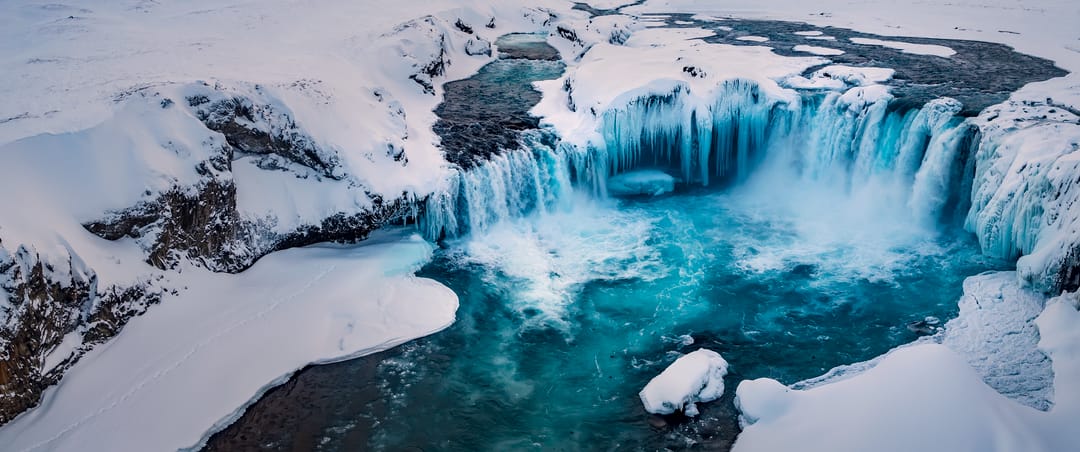
Conditions also vary significantly by region. The South Coast and Reykjavík promise milder climate, but tend to be wetter and windier. Alternatively, northern regions and the Eastfjords often experience heavier snowfall despite being drier and calmer than the south. The uninhabited interior (Highlands) is snow-covered for a majority of the year, only becoming accessible during summer.
Beyond the wind and temperature, your trip will also be dictated by dramatic seasonal shifts in daylight.
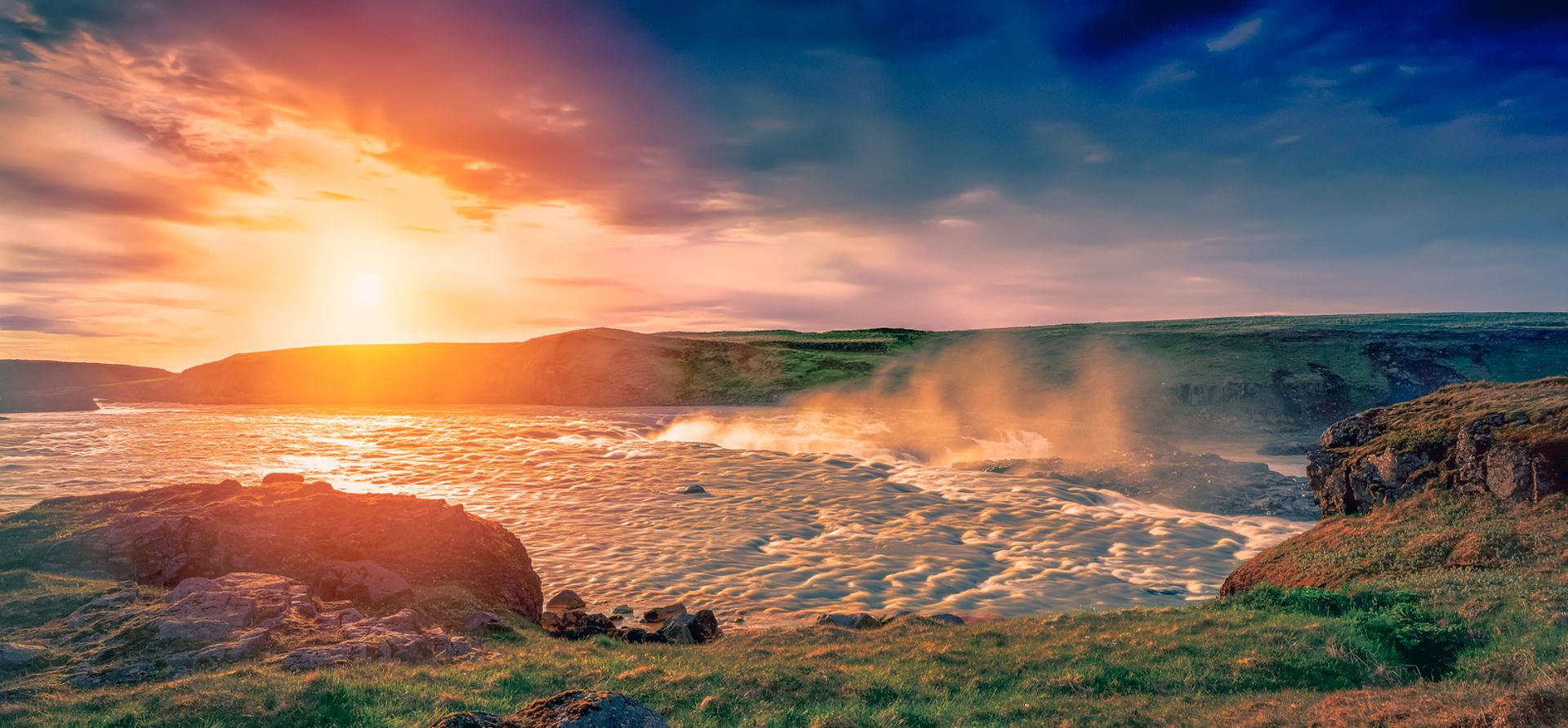
- The Midnight Sun: During summer, the sun barely dips below the horizon. In June, you’ll find nearly 21 hours of daylight, meaning you can visit waterfalls and glaciers anytime.
- The Winter Twilight: By contrast, December is the darkest month, with as little as four hours of daylight. The sun remains low on the horizon, creating a perpetual “golden hour” effect.
When Is the Best Time of Year to Visit Iceland?
When it comes to choosing a month to visit, it all depends on your personal travel goals. Each season in Iceland offers a completely different set of landscapes and activities. From summer’s long days for Golden Circle tours to dark, wintry nights for the Northern Lights, Iceland is amazing year-round.
Summer (June to August)
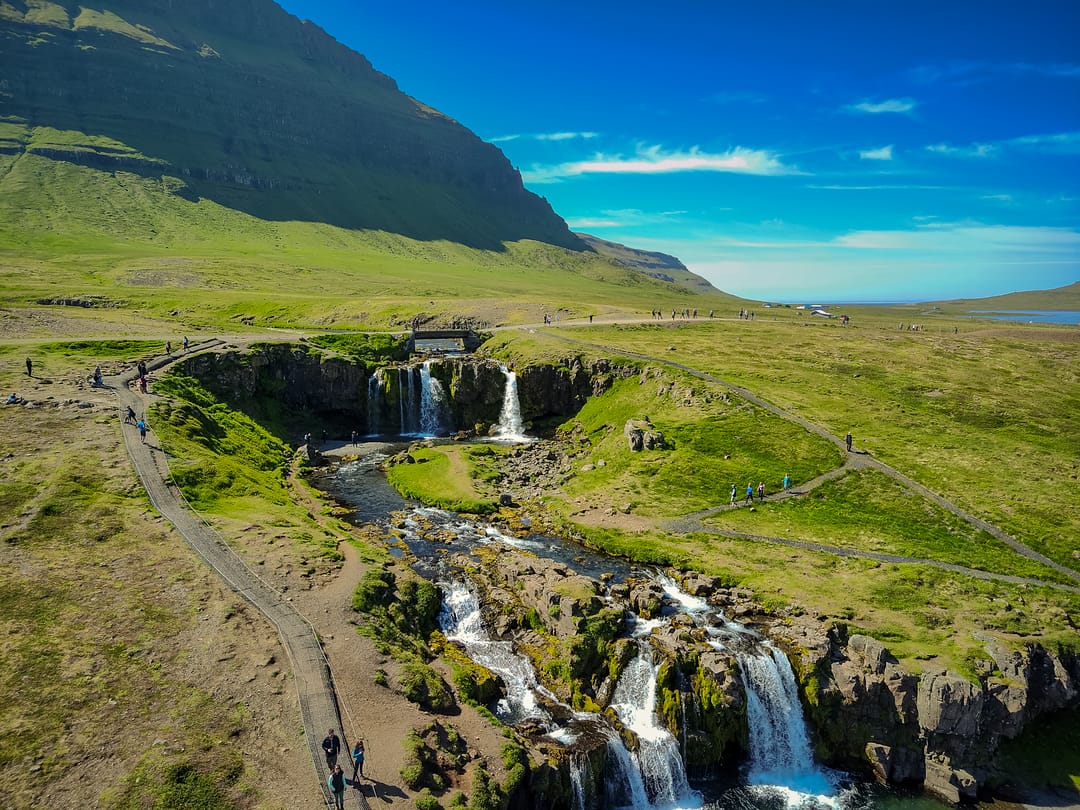
Summer is Iceland’s peak travel season, defined by the "Midnight Sun" and the total accessibility of the island. It’s the only time of year when the interior Highlands and their rugged F-roads (mountain tracks) are open to 4WD vehicles.
The season is ideal for outdoor enthusiasts, offering peak conditions for whale watching, puffin spotting, and trekking. While glacier hikes are possible year-round, summer’s milder weather and stable ice conditions allow for longer, more technical treks.
Prepare for seasonal trade-offs, though. Summer brings the highest prices for flights and accommodation, and you’ll need to book months in advance. While the 24-hour light is magical, it makes seeing the Northern Lights impossible until the very end of August. (Travelers can check out Perlan’s Northern Lights Show in Reykjavík instead.)
- June: Daylight peaks at roughly 21 hours. Temperature hover between 9°C–15°C (48°F–59°F). It’s the best month for the “eternal day” experience.
- July: Traditionally the warmest month at 10°C–15°C (50°F–59°F). This is the prime time for exploring the Highlands but also the busiest month for tourism.
- August: Temperatures remain stable around 8°C–14°C (46°F–57°F). As the nights begin to darken, the first aurora sightings occur late in the month. It’s also Iceland's biggest festival month.
Fall (September to October)
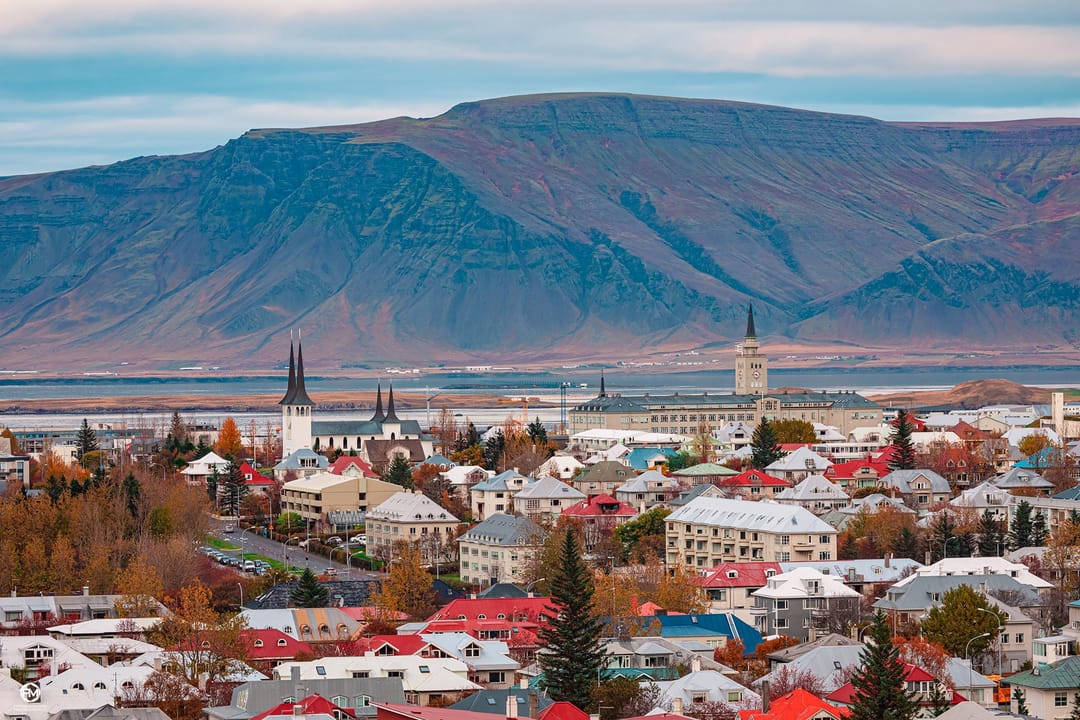
Fall in Iceland is a brief but visually stunning transition that’s often known as an Iceland shoulder season. The landscape shifts from summer greens to fiery oranges and rust-colored moss, particularly in forested areas like Þingvellir National Park. It’s the best time of year to visit Iceland for fewer crowds and lower prices.
As Midnight Sun fades and darkness returns, fall brings the first reliable opportunities to see the Northern Lights. The F-roads to the Highlands typically close by mid-September, but the main Ring Road remains navigable. The weather becomes more volatile, with increased rain and wind.
- September: Daylight averages 13 hours with temperatures between 5°C–10°C (41°F–50°F). It’s the perfect mix of bright days for hiking and dark nights for aurora hunting.
- October: Daylight drops to roughly nine hours, and temperatures cool to 2°C–7°C (36°F–45°F). Long nights make it a good time to catch the Northern Lights without the extreme cold of mid-winter.
Winter (November to March)
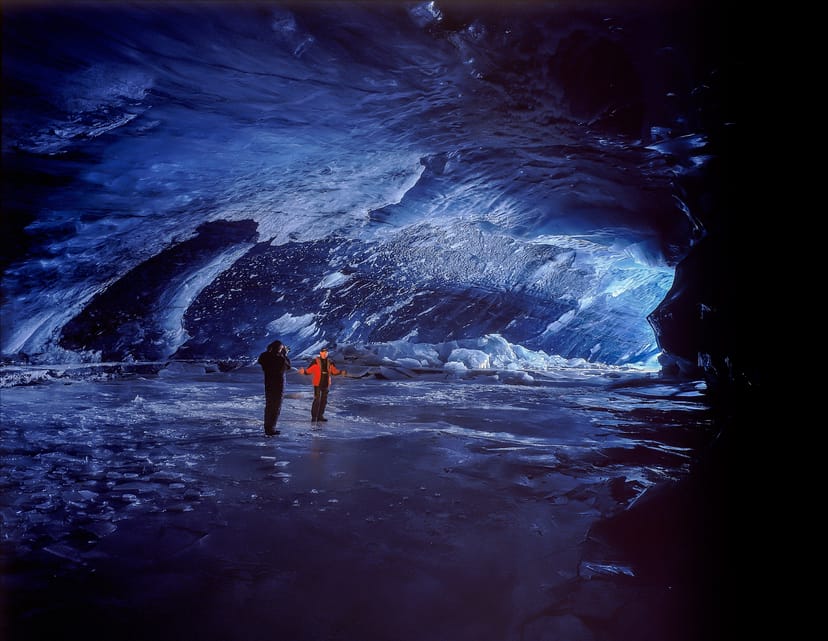
Winter in Iceland is a season of dramatic contrasts, where short days are compensated for by the appearance of the Northern Lights. It’s the only time of year to explore most natural blue ice caves, as the freezing temperatures stabilize the glacial interior. While the weather can be harsh, winter is a great time for budget-conscious travelers (with the exception of Christmas season). Soaking in hot springs while snow falls is also a quintessential Icelandic experience.
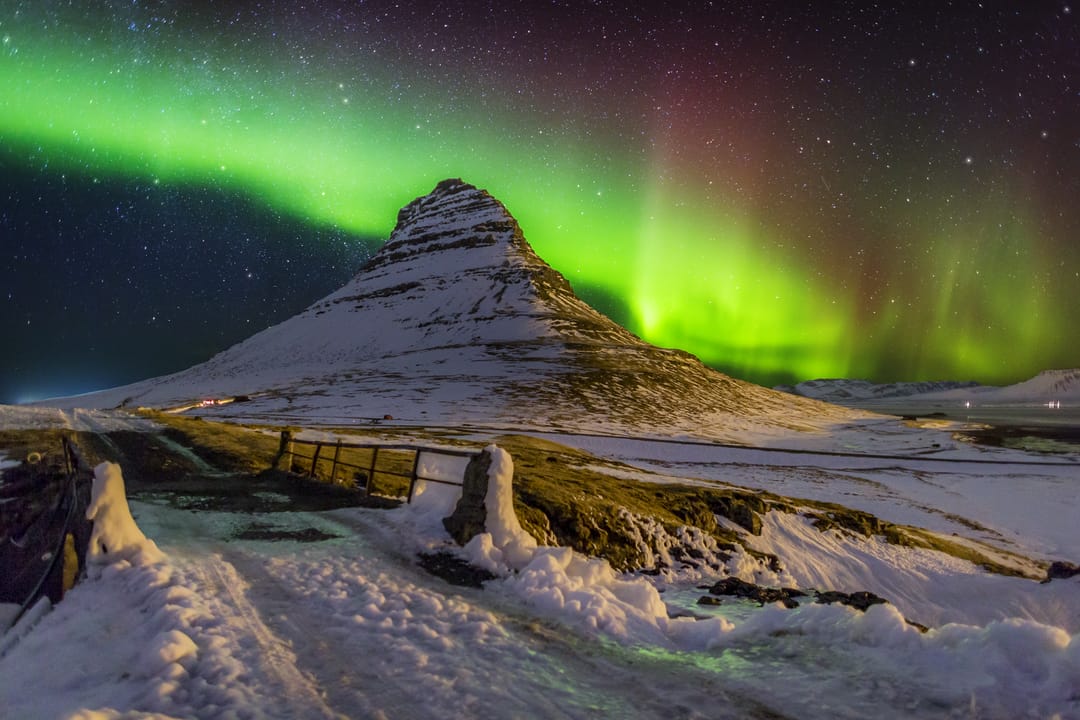
This season requires maximum flexibility. Blizzards and "white-out" conditions are common, particularly in the North and Westfjords, where roads can close with little notice. A 4WD vehicle with studded winter tires is non-negotiable for rural driving.
- November: Winter begins in earnest. Daylight drops to about 6 hours, and the first deep snows usually arrive. Temperatures average 0°C–4°C (32°F–39°F).
- December: The darkest month with only four hours of light. Icelanders compensate with elaborate Christmas displays. It’s a high-probability month for aurora sightings, though the weather can be wet and stormy.
- January: Often the coldest month with temperatures between -3°C and 3°C (26°F–37°F). With just five hours of light, it’s the peak of the "winter wonderland" aesthetic.
- February: Daylight begins to return noticeably, reaching 7–10 hours. Temperatures remain chilly but increased light makes longer trips to the South Coast and the Golden Circle easier.
- March: With 11–12 hours of light and temperatures of -2°C–3°C (28°F–38°F), March is often considered a "sweet spot" for winter travel.
For travelers who want to witness the majestic ice caves without braving the elements, head to Perlan. The museum has the world’s first indoor ice cave, built using over 350 tons of snow from the Blue Mountains.
Spring (April to May)
Spring marks the transition from the icy grip of winter to the long days of summer. It’s a practical choice for budget-conscious visitors, as daylight is increasing and peak summer costs haven't kicked in yet. While the Highlands remain closed, the coastal Ring Road is generally clear during this shoulder season in Iceland.
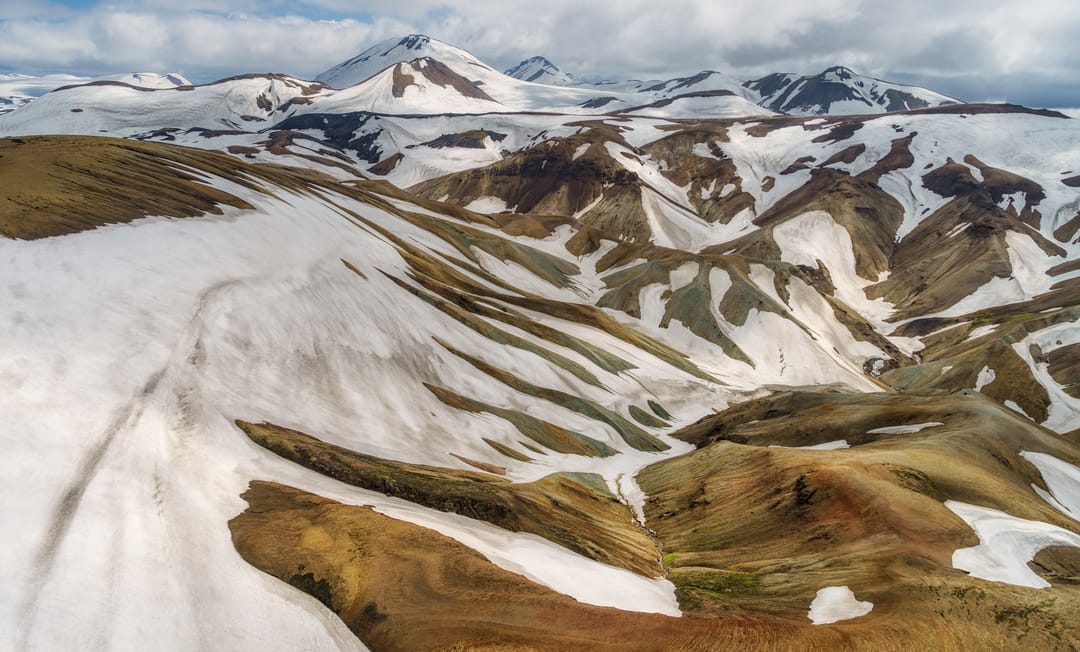
The landscape during spring is a mix of melting snow and emerging greenery. As the snow caps thaw, iconic waterfalls such as Skógafoss and Gullfoss surge with powerful runoff, making them especially thunderous. Spring is the best time of year to visit Iceland for wildlife spotting. The first migratory Atlantic puffins begin arriving on coastal cliffs in mid-to-late April, and whale-watching success rates climb significantly.
- April: Daylight averages 15 hours during this month, with temperatures ranging from 1°C–7°C (34°F–45°F). Early April is your final window to catch the Northern Lights before the nights become too bright.
- May: With nearly 19 hours of daylight and temperatures rising to 4°C–10°C (39°F–50°F), May feels like early summer. May is one of the driest months in Iceland, making it a "sweet spot" for photographers and hikers.
A Year-Round Attraction in Iceland
The best time of year to visit Iceland truly depends on your personal goals, but Perlan is an essential stop regardless of the season. This Reykjavík landmark offers a weather-proof way to explore the island’s wonders. From a real indoor ice cave to a Northern Lights show, the nature museum is an immersive museum experience. Perlan sits inside a beautiful glass dome, letting visitors enjoy nature while being protected from elements all year round.
FAQs About the Best Time of Year to Visit Iceland
What is the best month to go to Iceland?
For the most stable weather and 24-hour daylight, July is the best month. However, if you want to avoid crowds while still having a chance at the Northern Lights, September is a popular choice.
What is the cheapest month to visit Iceland?
The off-season months of February and March typically offer the lowest prices on flights and accommodation.
How many days do you really need in Iceland?
A five- to seven-day trip is ideal for seeing the main highlights. Meanwhile, at least 10 days are needed if you plan to drive the full Ring Road.
What month are the Northern Lights in Iceland?
The Northern Lights season runs from late August to mid-April. The peak months for viewing are October through March, when nights are darkest and longest.
Which month is the coldest in Iceland?
January is historically the coldest and windiest month, with temperatures in Reykjavik often hovering just below freezing.
Popular articles
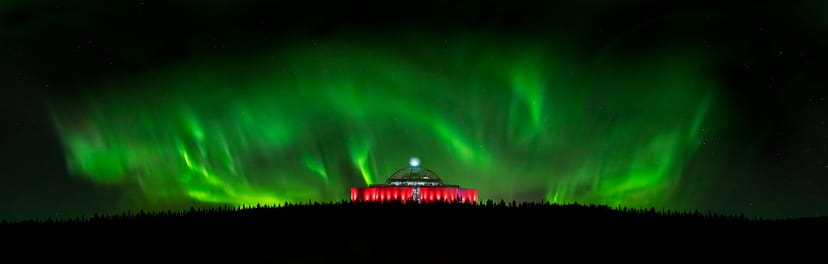
The Complete Guide to the Northern Lights in Iceland
Learn how the Northern Lights form, where to see them in Iceland, how to prepare, take photos, read the forecast, and improve your chances of a sighting.
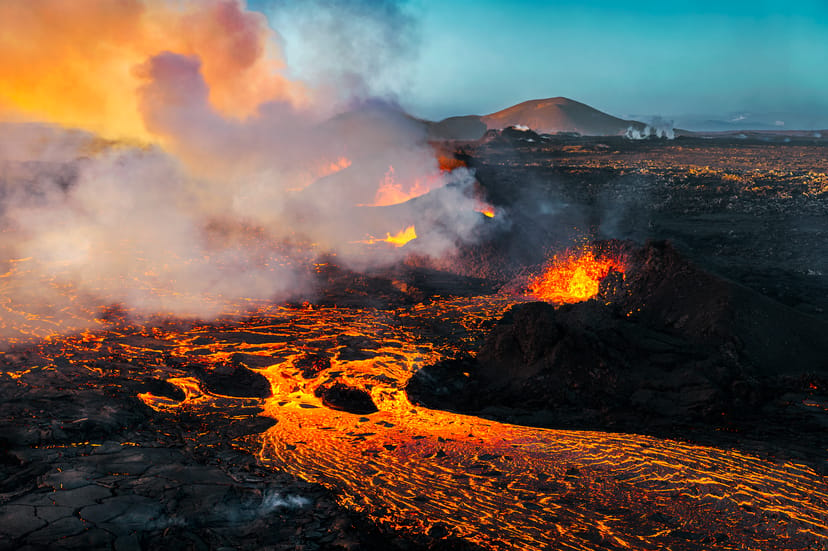
Let's Talk About the Volcano in Iceland About to Erupt
Is a volcano in Iceland about to erupt? Here’s what travelers should know about Svartsengi, Reykjanes activity, flights, safety, and the Blue Lagoon.
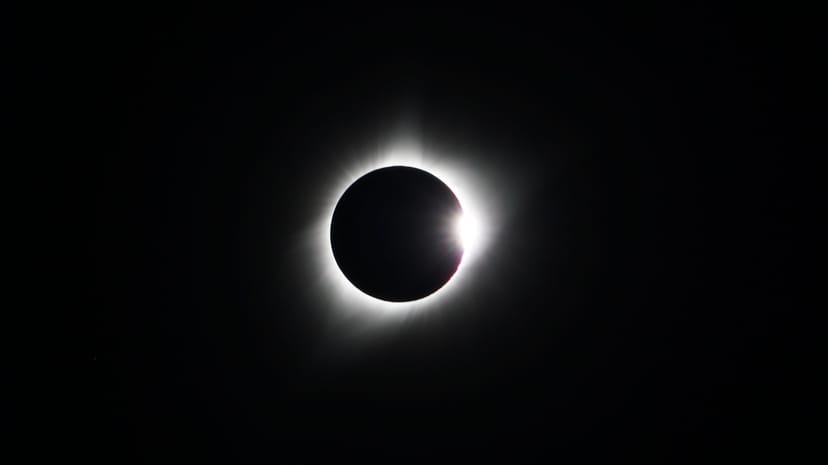
Solar Eclipse 2026 in Iceland | What Happened
Iceland experienced a total solar eclipse on August 12, 2026. Discover what happened in Reykjavík, eclipse times, totality locations and more.
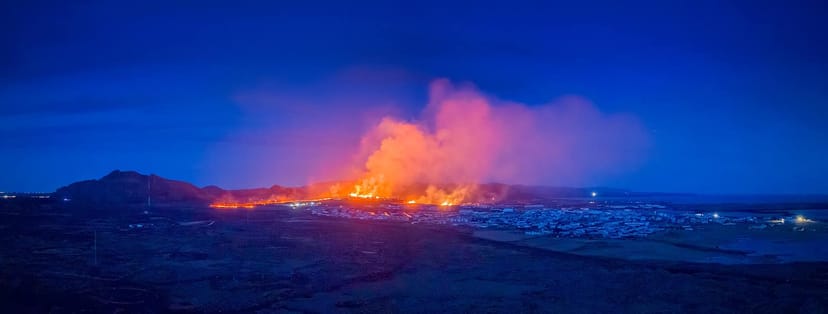
September 2026 updates on the Sundhnúkagígar Eruption in the Reykjanes Peninsula!
The current eruption in the Reykjanes Peninsula, is called Sundhnúkagígar Crater Row. See insights on the seismic activity and volcanic eruptions in the area!
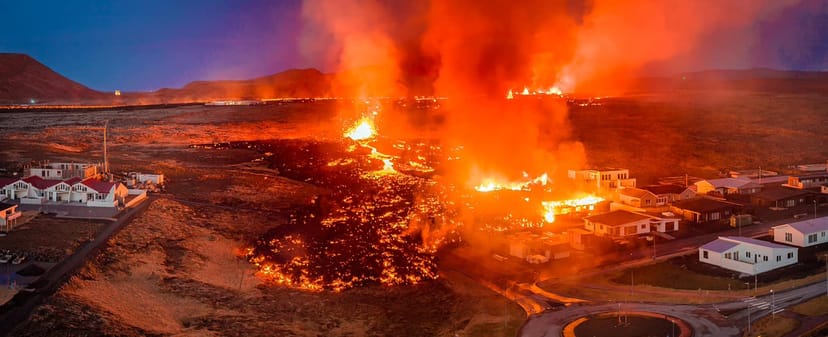
Active Volcanoes in Iceland 2026
Active volcanoes aren't the same thing as active eruptions. A volcano can be considered active even when it is not ejecting ash, rock, gases and magma, so which are active in Iceland in 2026?
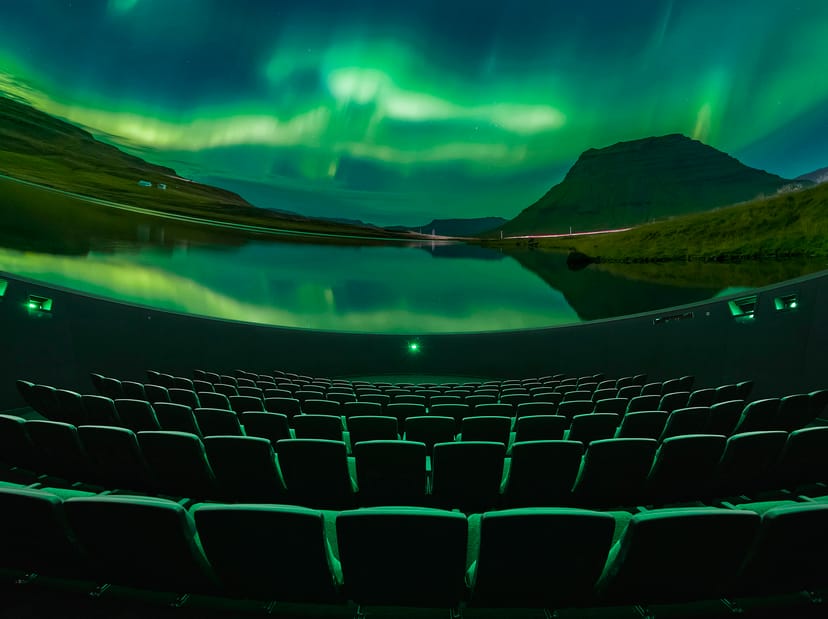
Top 10 Places To See the Northern Lights in Iceland
Discover the best places to see the Northern Lights in Iceland, from Jökulsárlón and Kirkjufell to Reykjavík, Þingvellir and North Iceland.
Ice Caves From Reykjavik
Planning an ice cave trip from Reykjavik? Compare Katla, Langjökull and Vatnajökull, travel times, seasons and Perlan’s ice cave in the city.